Roswell Park Comprehensive Cancer Center has formed an academic cooperation with the Jagiellonian University in Kraków.
The collaboration will see the two centers exchanging staff, students and scientific resources to undertake basic, translational and clinical research in order to advance the development of cancer therapies.
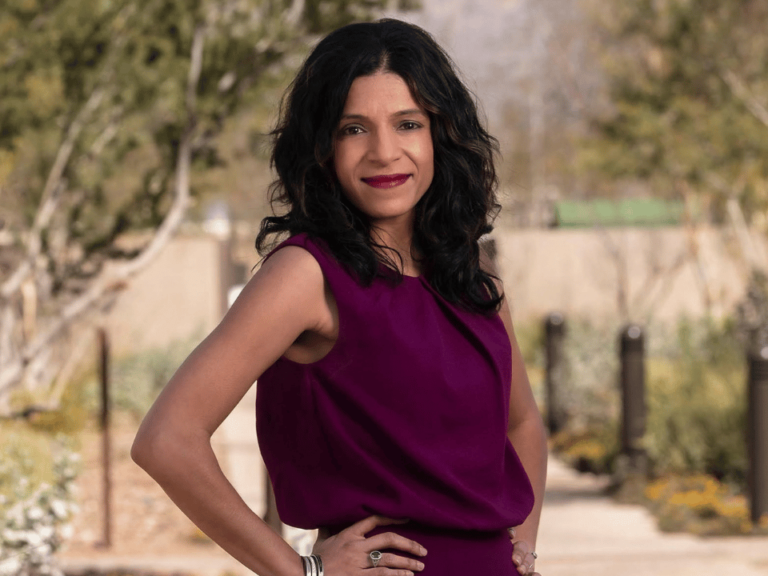
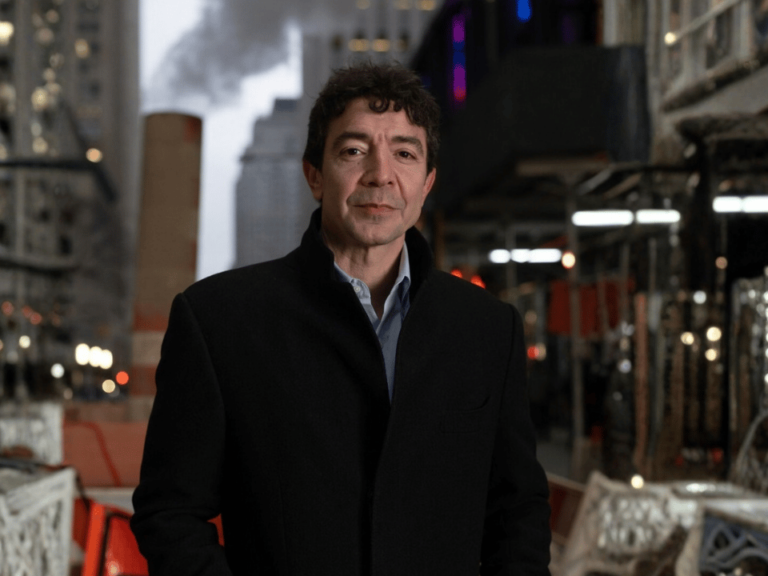
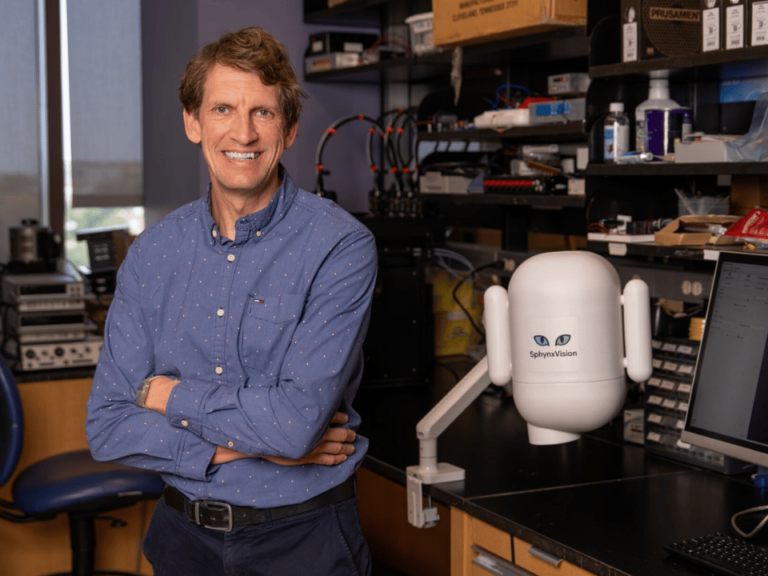
The agreement grew out of a July 2018 visit by Polish Secretary of State Anna Maria Anders to Roswell Park. Four Roswell Park faculty leaders, joined by Anders, recently traveled to Kraków to initiate the collaboration: Kunle Odunsi, deputy director, chair of gynecologic oncology and executive director of the Center for Immunotherapy; Pawel Kalinski, vice chair for translational research and Rustum Family Professor for Molecular Therapeutics and Translational Research; Agnieszka Witkiewicz, director of the Center for Personalized Medicine and chief for research in the Department of Pathology; and Danuta Kozbor, associate professor of immunology and microbiology.
The agreement is effective immediately, and could see exchange of students and faculty between the two centers as early as spring 2019.

Roswell Park partners with Jagiellonian University in Kraków
Share on facebook
Share on twitter
Share on linkedin
Share on email
Share on print
Table of Contents
YOU MAY BE INTERESTED IN
On Feb. 2, Nature Medicine published the results of a large, randomized, prospective clinical trial in the nascent and some say, fringe, field of chrono-oncology—the study of how natural biological rhythms might impact cancer outcomes.


The Trump administration has a fight on its hands as it pushes forward with a plan to exert greater political control over government funding of science.


When our hematological malignancy testing pilot project began in Eldoret, Kenya, there seemed to be a mismatch in relation to progress in healthcare. The region, like much of sub-Saharan Africa, had been focusing on combatting infectious diseases such as HIV and malaria—which was much-needed—yet cancer care was under-resourced.


Artificial intelligence is rapidly transforming biomedical research and healthcare. Large language models, foundation models, and AI agents are increasingly being deployed to assist with data interpretation, literature review, clinical decision support, and translational research.


In modern oncology, important insights from clinical trials often emerge years after initial publication. As new therapies extend survival and transition more patients into long-term remissions, clinicians and researchers are increasingly looking beyond initial response rates to understand durability, long-term safety, and even the possibility of a cure.
By Journal of Clinical Oncology