Former MD Anderson Provost Reflects on “Brief, Painful Episode” 

Share on facebook
Share on twitter
Share on linkedin
Share on email
Share on print

Over the past several weeks, The Cancer Letter has been running a series of articles that report on a past conflict between people at The University of Texas MD Anderson Cancer Center and Nobel Laureate Al Gilman, who led the scientific review teams of the then newly formed Cancer Prevention and Research Institute of Texas.

To access this subscriber-only content please log in or subscribe.

If your institution has a site license, log in with IP-login or register for a sponsored account.*
*Not all site licenses are enrolled in sponsored accounts.

Login Subscribe
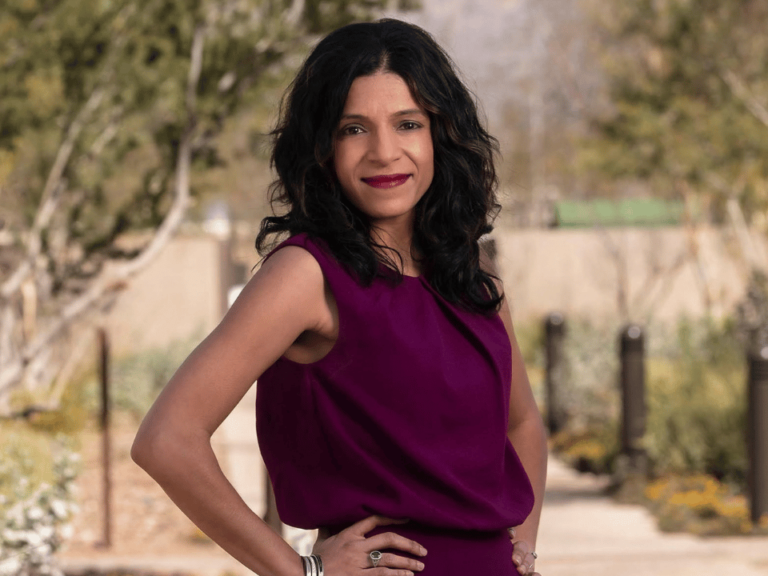
Raymond N. DuBois
Dean of medicine, Medical University of South Carolina

YOU MAY BE INTERESTED IN

The long-awaited results from the RASolute 302 trial—a phase III clinical trial evaluating daraxonrasib, a RAS inhibitor, for the treatment of patients with previously treated, metastatic pancreatic ductal adenocarcinoma—have been read out. 
At a lecture at Yale Cancer Center recently, Robert A. Winn brandished a copy of a 32-year old booklet titled “Cancer at a Crossroads: A Report to Congress for the Nation,” using it as a show-and-tell prop in arguing that America’s cancer program is once again at a crossroads and therefore in urgent need of strategic thinking (The Cancer Letter, April 10, 2026).
Raymond N. DuBois
Dean of medicine, Medical University of South Carolina

Never miss an issue!

Get alerts for our award-winning coverage in your inbox.

Login