This column in The Cancer Letter features the latest posts to the Cancer History Project by our growing list of contributors.
The Cancer History Project is a free, web-based, collaborative resource intended to mark the 50th anniversary of the National Cancer Act and designed to continue in perpetuity. The objective is to assemble a robust collection of historical documents and make them freely available.
Access to the Cancer History Project is open to the public at CancerHistoryProject.com. You can also follow us on Twitter at @CancerHistProj.
Upcoming
Finding the cure for childhood leukemia: On Feb. 24, a Buffalo Public Library panel featuring Jerry Yates, Mary Pinkel, and Cancer History Project editorial board member Tim Wendel.
Register in advance on Zoom.
Quote of the week
It is a great human weakness to generalize from exceptions. As scientists, we know that the best solution to a specific problem is a specific solution.
Emil J Freireich
Freireich’s Seven Laws To Protect Against Obstacles To Clinical Research
The Cancer Letter, May 14, 1976
Black History Month

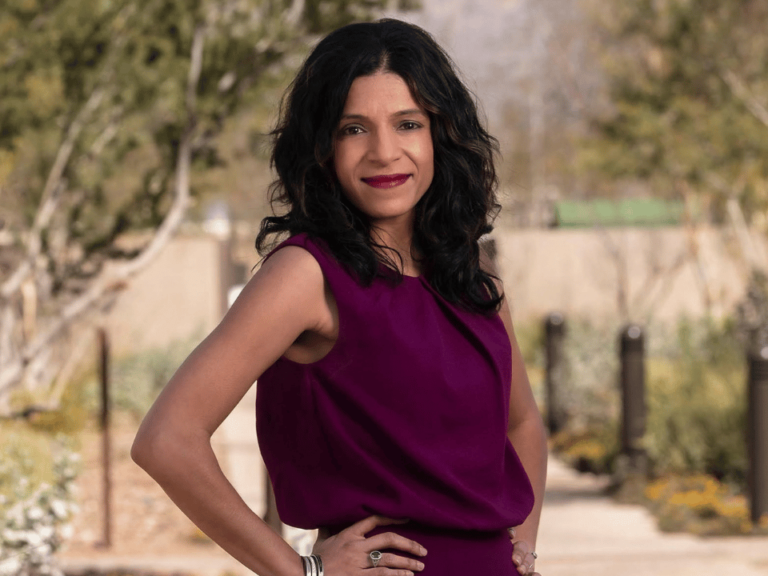
Photo Archive: Jane Cooke Wright: Personal photographs
The Cancer History Project | February 19, 2021
A collection of posts celebrating the impact on oncology by Black, Indigenous, and People of Color oncologists, researchers, and advocates will continue to be available under the tag “BIPOC Impact.”
Presidents Day
These articles were highlighted on Presidents Day via @CancerHistProj on Twitter as part of a series on cancer in the White House.
Ronald Reagan: “The President Has Cancer”: NCI Surgery Chief Breaks The News To Reagans And The World as Chief Spokesman After Surgery
The Cancer Letter | July 19, 1985Betty Ford: Breast Cancer Report To The Profession Suddenly Is a Report To The Nation; Treatment Progress Noted
The Cancer Letter | October 4, 1974
Recent contributions
- St. Jude mourns the death of Arthur W. Nienhuis, MD
By St. Jude | February 18, 2021 Lasker Award: Coal Miner’s Son: Dr. Dennis Slamon
By UCLA Jonsson Comprehensive Cancer Center | February 17, 2021ASCO Mourns Pioneer of Combination Chemotherapy Dr. Emil J Freireich
By ASCO | February 5, 2021
Is your institution a contributor to the Cancer History Project? Would you like us to tell you about the project and how you can get involved?
Eligible institutions include cancer centers, advocacy groups, professional societies, pharmaceutical companies, and key organizations in oncology. To apply to become a contributor, please contact admin@cancerhistoryproject.com.