Correction: An earlier version of this story contained an erroneous attribution and multiple significant omissions.
Physician-scientists by day, a funk-loving musical troupe by night. You may have seen The CheckPoints—a 13 member cover band with a three-piece brass section and Jim Allison on harmonica—movin’, groovin’, and gettin’ down as a mainstay closing act at ASCO, AACR, or the Society for Immunotherapy of Cancer annual meetings.
During past performances, the band has put their own spin on motown classics like Brick House by the Commodores, as well as pop staples like Adele’s Rolling in the Deep and Walking on Sunshine by Katrina And The Waves.
The ensemble, by design, straddles between two worlds: Cancer research and artistic expression.
All in the same day, you might witness the band’s members at an annual meeting, all buttoned up, presenting something or other on the sustained clinical benefit of a phase III trial of checkpoint inhibitors. But come nightfall, the top buttons come undone and you’ll find them on stage belting out lyrics to “Sweet Home Chicago” or an immunotherapy-inspired cover song (The Cancer Letter, Oct. 5, 2018).
In our annual roundup of what people in oncology are reading (or watching, or listening to), The Cancer Letter asked the SITC house band to craft a recommendation list that similarly blends these two worlds. The bandmates are keeping rhythm with the latest journal articles published in the academic literature, as well as songs, albums, and playlists that may have healing properties of their own.
Their recommendations, which span many genres, can be found on this Spotify playlist. So, pop on some music, crack open a book or journal, and enjoy the vibes.
Here is our check-in with The CheckPoints:
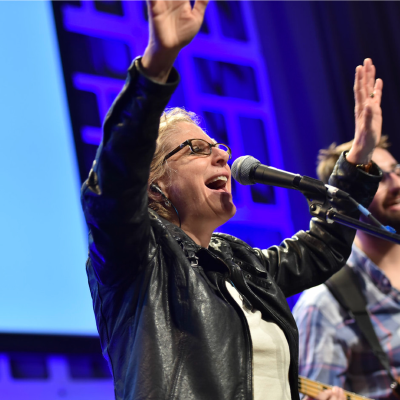
Lead vocalist, The CheckPoints;
President,
Founding CEO,
Normunity
Pancreatic cancer is a particularly difficult tumor to treat, and any progress is a blessing. I lost my grandfather to pancreatic cancer, and it’s wonderful to see the progress.
Rachel Humphrey
Articles:
- “Daraxonrasib or Chemotherapy in Previously Treated Metastatic Pancreatic Cancer,” published in The New England Journal of Medicine
Music:
- Hello, Mr. Jambo, by Kyle Gordon
- Planet of the Bass, by Kyle Gordon
- Jaxen James
Books:
- “Project Hail Mary,” by Andy Weir
- “Sex on Murder Island,” by Jo Firestone
- “A Murder in Springtime,” by Martin Walker
- “Heather,” by Caitlin Mullen
- “ReInception,” by Sarena Straus
- “DeInception,” by Sarena Straus
What do you think was the most impactful paper of the year?
The results in pancreatic cancer of the Revolution Medicines daraxonrasib (Pan RAS inhibitor) is inspiring. Pancreatic cancer is a particularly difficult tumor to treat, and any progress is a blessing. I lost my grandfather to pancreatic cancer, and it’s wonderful to see the progress.
What are you listening to (albums, EPs, songs) this summer?
Kyle Gordon’s musical comedy is fantastic. He has multiple albums and is currently touring in the US and Europe. His song, “Hello, Mr. Jambo,” is awesome. His brother, Sam, does the videos, which are also fantastic. A few summers ago, Kyle’s song, Planet of the Bass, was the “song of the summer.”
He’s a modern Weird Al Yankovitch, only better (I’m not biased, or anything!! Kyle and Sam are my nephews).
Jaxen James— is a new artist whose music is also lovely. Easy listening country and a young man who grew up with the daughter of Normunity’s head of Clinical Operations. I love getting close to the work of people I care about.
What are you reading?
My favorite book of all time on Audible is Project Hail Mary (Andy Weir). The movie was wonderful, but the book is filled with a great story of redemption and loaded with wonderful science. I love listening to books on Audible (instead of reading them) because it enhances the experience. The narrator, Ray Porter, does an amazing job of bringing the book to life. I’ve also been binging murder mysteries, after the NY Times released a list of their favorites. (I love solving the murders ahead of the book…Whodunits are so fun!!).
My latest list includes “Sex on Murder Island” (Jo Firestone), “A Murder in Springtime” (Martin Walker), and “Heather” (Caitlin Mullen). Finally, my cousin, Sarena Straus, has released the first two books in her Sci Fi trilogy. “Reinception” and “Deinception” are great reads!
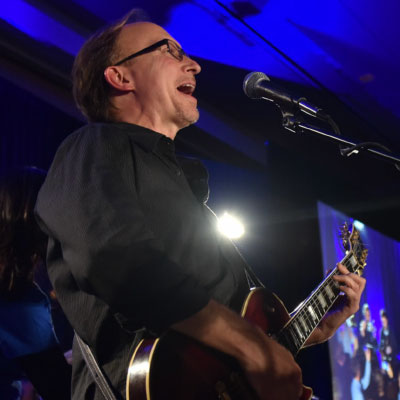
Lead guitarist, The CheckPoints;
AbbVie Foundation Professor of Cancer Immunotherapy
Professor of Ben May Department of Cancer Research,
Leader,
UCCCC Immunology and Cancer Program
UChicago Medicine
It’s a great danceable song, but most importantly, it was therapeutic because of a recent relationship breakup in which I had to show someone the door.
Thomas Gajewski
Articles:
- “Dual tumour-myeloid targeting of glioblastoma with GPNMB CAR-T cells,” published in Nature
Music:
- The Door, by Teddy Swims
- Best of Vivaldi, a Spotify playlist by Deutsche Grammophon
Books:
- “Devil in the White City,” by Erik Larson
What do you think was the most impactful paper of the year?
I really liked the following paper: ‘Dual tumour-myeloid targeting of glioblastoma with GPNMB CAR-T cells,” by Savage N., et al.
It was an advance in glioblastoma, but more importantly validated GPNMB on tumor-associated myeloid cells as a therapeutic target. This pathway will be valid in a wide range of difficult to treat cancers.
What are you listening to (albums, EPs, songs) this summer?
In terms of music, I discovered a song from Teddy Swims called “The Door.” It’s a great danceable song. But most importantly, it was therapeutic because of a recent relationship breakup in which I had to show someone the door. I felt validated.
And in the mornings, when I am sipping Earl Grey tea and doing the NYT puzzles, I’ve been listening to a Spotify playlist called the Best of Vivaldi from Deutsche Grammophon. It’s actually amazing and varied music, and calms my mind before the intensity of the day.
What are you reading?
In terms of reading, I’m currently working on the “Devil in the White City,” by Erik Larson. I’m from Chicago, and this is a historical fiction-style story centered on the Chicago Worlds Fair in 1893. This is around the same time as the founding of The University of Chicago, so it really connects to me.
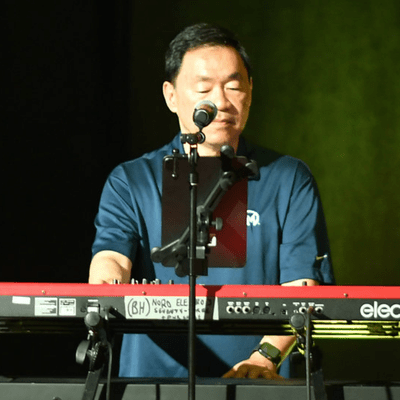
Keyboard player, The CheckPoints;
President and CEO,
Moffitt Cancer Center
After a career spent trying to engineer T cells to fight harder, the idea that we might tune potency by asking a donor when they last ate is both humbling and thrilling.
Patrick Hwu
Articles:
- “Postprandial lipid metabolism durably enhances T cell immunity,” published in Nature
- “Diet–microbiome synergy underlies obesity-associated immunotherapy efficacy,” published in Nature
Music:
- Laufey
- Counting Crows
- Noctures, by Frédéric Chopin
- Stella Cole
Books:
- “Project Hail Mary” by Andy Weir
- “Watchmen,” by Alan Moore and Dave Gibbons
What do you think was the most impactful paper of the year?
The paper that stopped me in my tracks this year was Kumar et al., “Postprandial lipid metabolism durably enhances T cell immunity,” published in Nature this April from Greg Delgoffe’s lab at Pitt. Their finding is disarmingly simple: a single meal, acting through triglyceride-rich chylomicrons, durably reprograms T cell metabolism via mTORC1.
And in a result that hit close to home for those of us in cell therapy, CAR-T cells manufactured from the same donor in the fed state outperformed those collected while fasted. After a career spent trying to engineer T cells to fight harder, the idea that we might tune potency by asking a donor when they last ate is both humbling and thrilling. It is a lovely reminder that biology often keeps its best secrets in plain sight.
Honorable mention to Desharnais, Elkrief and Routy et al. in Nature, showing that diet, more than body weight, shapes the gut microbiome and response to anti-PD-1. Together these papers make a strong case that diet is the immunotherapy adjuvant hiding on our plate.
What are you listening to (albums, EPs, songs) this summer?
A wide arc. Laufey, for her lush jazz-classical songwriting. Counting Crows, revisited after watching a terrific documentary about the band. Chopin nocturnes for late-night decompression, which I will admit is a pianist’s confession, since I play keys in the CheckPoints. And a new discovery, Stella Cole, whose full, jazzy voice makes the American songbook feel newly minted.
What are you reading?
“Project Hail Mary,” by Andy Weir, which is riveting and one of the most scientifically imaginative novels I have read in years. The interspecies problem-solving is pure joy. Alongside it, the original “Watchmen” graphic novel by Alan Moore and Dave Gibbons. Beautifully written, and its meditation on nonlinear time and moral responsibility has been sitting with me long after I put it down.
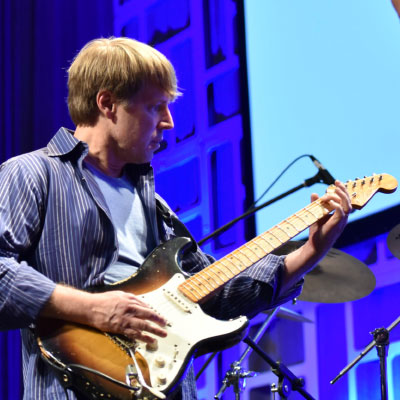
Guitarist, The CheckPoints;
Professor,
Department of Medicine,
Hematology/oncology,
Ronald Reagan UCLA Medical Center
The moment this unprecedented advance in the treatment of this most-feared cancer diagnosis really sunk in was thrilling to all in the room, including myself.
John Timmerman
Articles:
- “Daraxonrasib or Chemotherapy in Previously Treated Metastatic Pancreatic Cancer,” published in The New England Journal of Medicine
Music:
- So Easy (To Fall in Love), by Olivia Dean
- Man I Need, by Olivia Dean
- WHERE IS MY HUSBAND! by RAYE
Books:
- “Sounds Like Me: My Life (So Far) in Song,” by Sara Bareilles
- “Making Rumours: The Inside Story of the Classic Fleetwood Mac Album,” by Ken Caillat and Steve Stiefel
- Looking forward to: “Brothers: An Intimate Account of Brotherhood and Rock Music,” by Alex Van Halen
What do you think was the most impactful paper of the year?
Without hesitation, I cite the RASolute 302 trial, published in NEJM on the day of the historic presentation at the ASCO Plenary Session on May 31, where lead author Brian Wolpin received a standing ovation when revealing the doubling of survival in metastatic pancreatic cancer by the new KRAS inhibitor daraxonrasib.
Even though I knew about the data from previous presentations, the moment this unprecedented advance in the treatment of this most-feared cancer diagnosis really sunk in was thrilling to all in the room, including myself.
While the treatment is far from a cure, it is a huge first step in cracking this nasty malignancy, and I’m most excited about what is to come next scientifically.
We already know now that disarming pancreatic cancers of RAS signaling not only slows cell growth but alters the tumor immune microenvironment, possibly paving the way for effective immunological interventions, which alone have proven ineffective in pancreatic cancer.
With a foot in the door, investigators will now begin to further pry the disease open, and learn what strategies work best once an oncogene-addicted cell’s major driver has been crippled.
What are you listening to (albums, EPs, songs) this summer?
Lately I’ve been drawn to several new female artists from across the pond, both offering fresh R&B flavorings to growing audiences. From last year’s Grammy-winning best new artist Olivia Dean (“Man I Need”, and “So Easy (to Fall in Love”), to RAYE (“Where is my husband?”), their upbeat music is a welcome antidote to the geopolitical chaos of today’s world.
What are you reading?
The musician in me never gets tired of understanding the creative process and the talented people behind our favorite recordings. So I’ve been exploring this in several books including Sara Bareilles’ autobiographical memoir “Sounds Like Me: My Life (So Far) in Song.”
For any Fleetwood Mac fan, I’d recommend producer Ken Caillat’s “Making Rumours: The Inside Story of the Classic Fleetwood Mac Album,” that chronicles the process behind each of the album’s amazing songs. As a forever fan of unique guitar talent Edward Van Halen, I’m looking forward to reading the instant New York Times bestseller “Brothers: An Intimate Account of Brotherhood and Rock Music,” drummer Alex Van Halen’s poignant memoir and tribute to his brother, who died of head and neck cancer in 2020.
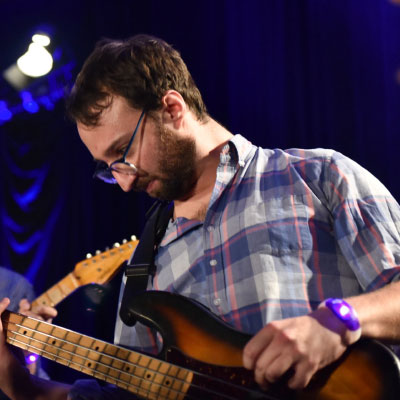
Bass guitarist, The CheckPoints;
Clinical oncology fellow,
Memorial Sloan Kettering Cancer Center
How could the bass player of The CheckPoints leave out Vulfpeck?! Joe Dart is a personal hero of mine. He is able to play the bass to heights never before seen. This album has a great mix of what’s made Vulfpeck a staple of festivals this summer. Catchy lyrics, wicked instrumentals, and a wacky sensibility like no other.
Brad Reinfeld
Articles:
- “Postprandial lipid metabolism durably enhances T cell immunity,” published in Nature
- “Ketogenic diet mediates intestinal tumorigenesis through lipids not ketones,” published in Nature
Music:
- Lover’s Game, by The War and Treaty
- The Bywater Sessions, by Jon Cleary
- The Beautiful Game, by Vulfpeck
What do you think was the most impactful paper of the year?
On almost every cancer patient’s journey, they ask their provider, “What food should I eat to help control the cancer?”
In this time of instability, patients and their families often seek control. Their perspectives are typically informed more by layman’s articles, friends’ hearsay, YouTube videos, and TikToks than the latest oncology literature. I often hear patients wonder,” Doc doesn’t sugar feed cancers.”
Unfortunately, this is a vast oversimplification of the relationship between diet and tumorigenesis that we, as a field, need to clarify for our patients.
These two studies, published in Nature, uncover new relationships between diet and cancer biology that are important for patients, their loved ones, and many facets of clinical oncology. The paper from Greg Delgoffe’s group at the University of Pittsburgh suggests that CAR T cells taken from patients AFTER they eat a meal work better than CAR T cells made from fasted patients. The referenced adage “sugar feeds cancer” ignores the importance of nutrient uptake and utilization in anti-tumor immune cells.
The second paper comes from MIT and shows that ketogenic diets paradoxically accelerate the development of small bowel cancer. How can this healthful diet do so much harm? Switching mice from a balanced diet to a keto diet increased dietary lipids, which, in turn, the cancer cells use as fuel to proliferate.
Therefore, ketogenic diets may be reasonable to trial in healthy, fit patients looking to gain an edge in the gym, but they may provide malignant cells with more fuel for their growth.
I hope that, as a field, we embrace nuance to provide patients with the current state of dietary interventions for cancer treatment. Unfortunately, this field is still in its infancy. I often tell my patients that, if possible, they should follow a heart-healthy diet rich in fiber, fruits, and vegetables, with a preponderance of lean meats (no different from what our fellow cardiologists endorse).
Given the equipoise in the field, I do tell my patients they can have donuts or cookies, just not a dozen of them in one sitting. Many of our patients have life-limiting diagnoses, and without compelling improved overall survival data, I find it hard to say eliminating certain foods completely from their diet is an itch worth scratching in this time of uncertainty.
What are you listening to (albums, EPs, songs) this summer?
“Lover’s Game,” – The War and Treaty is a band I fell in love with as a graduate student living and playing music in Nashville. A genre-bending country/blue/R&B group that brings love in our uncertain times.
“The Bywater Sessions” – Mr. Cleary is an interesting fellow to say the least. UK-born but New Orleans-raised, his piano playing has all the flair of Professor Longhair. His songs travel from irreverent to playful while keeping that NOLA beat on the 2 and 4. Dial Jon up on your Spotify, and it feels like you are celebrating Mardi Gras, whether it’s a hot, steamy summer day or snowing in the dead of winter!
“The Beautiful Game” – How could the bass player of the checkpoints leave out Vulfpeck?!? Joe Dart is a personal hero of mine, able to play the bass to heights never before seen. This album has a great mix of what’s made Vulfpeck a staple of festivals this summer. Catchy lyrics, wicked instrumentals, and a wacky sensibility like no other.
What are you reading?
Honestly, between clinical duties, research, I listen to more podcasts than read…. I don’t know if this is a good or bad thing, but it’s the truth.
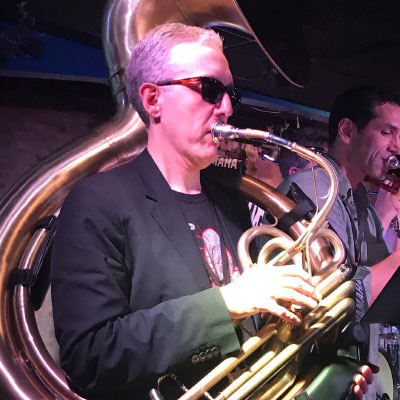
Sousaphone and tuba player, The CheckPoints;
Meyer Director,
Sandra and Edward Meyer Cancer Center;
Professor of medicine
NewYork-Presbyterian/Weill Cornell Medical Center
I read too many papers each week to pick one. I’m an editor for the Journal of Experimental Medicine so there are just too many to pick from!
Jedd D. Wolchok
Music:
Books:
- “The John McPhee Reader,” by John McPhee, edited by William L. Howarth
What do you think was the most impactful paper of the year?
I read too many papers each week to pick one. I’m an editor for the Journal of Experimental Medicine so there are just too many to pick from!
What are you listening to (albums, EPs, songs) this summer?
Listening to Tedeschi Trucks Band! Going to hear them with Rachel in a few weeks.
What are you reading?
I started a compilation of stories by John McPhee and am enjoying that!
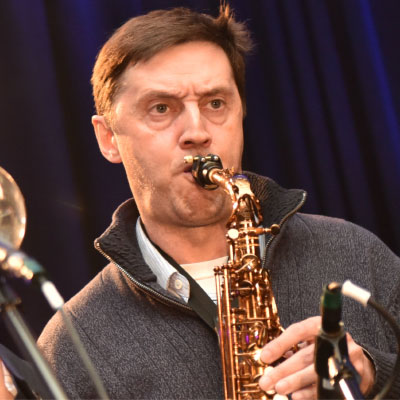
Saxophonist, The CheckPoints;
Chief commercial officer
BostonGene
It’s music that, although improvised on the spot, can be re-listened to dozens of times. It can—and I have. It’s an utter pleasure every single time.
Ferran Prat
Music:
- Sun Bear Concerts, by Keith Jarrett
Books:
- “The Power Broker: Robert Moses and the Fall of New York,” by Robert Caro
What are you listening to (albums, EPs, songs) this summer?
This summer I’ve been re-listening to the “Sun Bear Concerts” by Keith Jarrett. I don’t think saying that “Jarrett is the Mozart of the 20th century” is far off. Whereas the Köln Concert is Jarrett’s most famous record, the “Sun Bear Concerts” in Japan may be his most “complete” and deep work. It’s music that, although improvised on the spot, can be re-listened to dozens of times. It can, and I have. It’s an utter pleasure every single time.
What are you reading?
As for reading, I was dragged kicking and screaming towards “The Power Broker” by Robert Caro. I don’t read non-fiction, so 1,300 pages on the biography of a bureaucrat was rather unappealing. How wrong I was. It truly is the Machiavelli’s Prince of modern times. You just have to read it to understand.
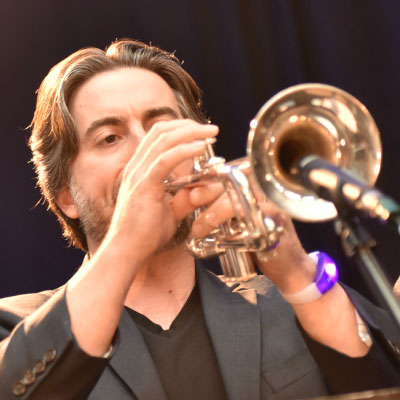
Trumpeter, The CheckPoints;
Chief medical officer,
Strand Therapeutics
For those of us in the RNA therapeutics and synthetic biology space, there have been a series of extremely useful papers in LNP discovery/design as well as further iteration of in vivo “programming” of genetic medicine.
Jason Luke
Articles:
- “LUMI-lab: A foundation model-driven autonomous platform enabling discovery of ionizable lipid designs for mRNA delivery,” published in Cell
- “A multiobjective AI model for LNP engineering enhances tissue-selective mRNA delivery,” published in Nature Biotechnology
- “Engineering drug-responsive replication machinery for precise control of self-amplifying RNA,” published in Nature Biomedical Engineering
Music:
Books:
- “Why Nothing Works: Who Killed Progress—And How to Bring It Back,” by Marc J. Dunkelman
What do you think was the most impactful paper of the year?
For those of us in the RNA therapeutics and synthetic biology space, there have been a series of extremely useful papers in LNP discovery/design as well as further iteration of in vivo “programming” of genetic medicine.
What are you listening to (albums, EPs, songs) this summer?
Jazz House 2026 by Brass House Collective – perfect music to just chill on a summer evening.
What are you reading?
Why Nothing Works by Marc Dunkelman – trying to imagine a future world where rational and long-term decision-making might get us out of this cyclical political and economic stalemate we seem to be in.
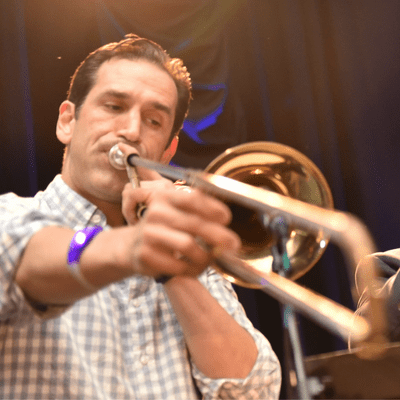
Trombone player, The CheckPoints
Associate professor
Director of Genitourinary Oncology Research
Division of Oncology
Washington University School of Medicine
Prostate cancer has been one of the tumor types that has been particularly under-responsive to many flavors of immunotherapy and identifying key mediators of resistance has wide-ranging implications.
Russell K. Pachynski
Articles:
- “Evolution of myeloid-mediated immunotherapy resistance in prostate cancer,” published in Nature
Music:
- In the End, by Animal Liberation Orchestra
- Hot Damn, by Animal Liberation Orchestra
What do you think was the most impactful paper of the year?
Very elegant work from Larry Fong’s group showing critical regulators of immunotherapy resistance in prostate cancer and a mechanism to reverse it. Nice preclinical and clinical/translational confirmatory data.
Prostate cancer has been one of the tumor types that has been particularly under-responsive to many flavors of immunotherapy and identifying key mediators of resistance has wide-ranging implications. We have now also been focusing on these SPP1+ myeloid population in many of our datasets, including some ongoing single cell RNAseq analysis of Sipuleucel-T, the only FDA-approved cellular therapeutic for prostate cancer.
What are you listening to (albums, EPs, songs) this summer?
ALO (Animal Liberation Orchestra)—a fantastic Bay Area band in the Phish/jam-band vein… so many great songs but from their last couple albums my favs are “In the End” off of their 2025 Frames album, and “Hot Damn” off their 2023 Silver Saturdays album—check them out!
What are you reading?
Unfortunately nothing for leisure, but a LOT of grants for both ACS and NCI.
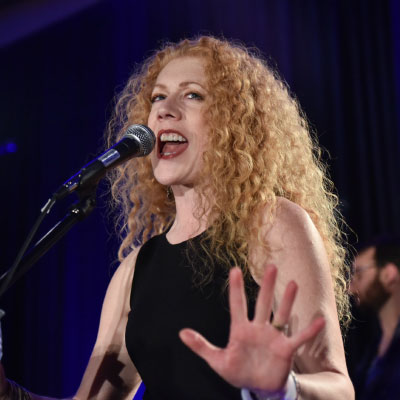
Vocalist, The CheckPoints;
Consultant
I’m reading and re-reading my team’s latest revised manuscript about autoantibodies in cancer patients as it gets closer to the final submission (with Paul Munson, Juraj Adamik and collaborators). When I can’t read it any more, I switch to reading Scandinavian thrillers.
Lisa Butterfield
Articles:
- “Whole-protein screening and multi-modal profiling of antigen-specific CD4+ T cells at single-cell resolution,” published in Nature Communications
- “Immune modulatory vaccines targeting tumor microenvironment antigens: recent advances in oncology and beyond,” published in Signal Transduction and Targeted Therapy
Books:
- “The Leopard,” by Jo Nesbo
- “A River Red with Blood,” by John Connolly
What do you think was the most impactful paper of the year?
I think everyone’s idea of the most impactful paper in the first half of 2026 will vary a lot. I enjoyed a paper from Jim Health’s lab, with Connie Trimble: Zhang et al, Nature Communications, “Whole-protein screening and multi-modal profiling of antigen-specific CD4+ T cells at single-cell resolution” about development of technology that allows identification of antigen-specific CD4+ T cells.
I also enjoyed the review earlier this year from Mads Hald Andersen: “Immune modulatory vaccines targeting tumor microenvironment antigens: recent advances in oncology and beyond”, which summarizes the years of effort of developing cancer vaccines directed against tumor microenvironment inhibitory molecules.
What are you listening to (albums, EPs, songs) this summer?
I am, as usual, rotating between ’70’s rock and funk, ’80’s hair band rock, and ’90’s grunge. The evolving CheckPoints set list in 2026 is the only reason I’m expanding my musical horizons at all.
What are you reading?
I’m reading and re-reading my team’s latest revised manuscript about autoantibodies in cancer patients as it gets closer to the final submission (with Paul Munson, Juraj Adamik and collaborators). When I can’t read it any more, I switch to reading Scandinavian thrillers, like Jo Nesbo’s “The Leopard” or anything and everything by John Connolly (his 2026 latest: “A River Red with Blood”).
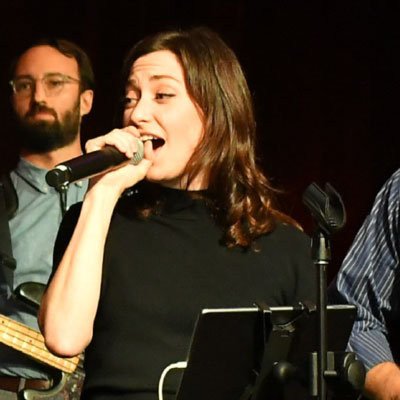
Vocalist, The CheckPoints;
Internal medicine resident,
Massachusetts General Hospital
Last year, I would say my most listened to song is the melody of the telemetry monitor in the cardiac intensive care unit alarming arrhythmias, or the lullaby of bed alarms on the floors overnight. In those few moments where I can explore new music, I’ve become quite enamored with RAYE.
Anna Crosetti
Articles:
- “Cytokine-mediated CAR T therapy resistance in AML,” published in Nature Medicine
Music:
- WHERE IS MY HUSBAND! by RAYE
- So Easy (To Fall in Love), by Olivia Dean
- Oscar Winning Tears., by RAYE
- Click Clack Symphony., by Hans Zimmer and RAYE
What do you think was the most impactful paper of the year?
As a budding oncologist, my interests have focused on cellular therapies in acute leukemias, particularly the challenge of the highly immunosuppressive and complex tumor microenvironment in high-risk myeloid malignancies. An interesting read I came across this year was by Baghwat and colleagues, published in Nature in 2024.
Their team looked at anti-CD123 CAR T cells in a small group of AML patients who ultimately relapsed despite therapy. They explored the role of cytokine mediated resistance of AML, particularly driven by the JAK/STAT pathways that are inherently activated by cytokine release syndrome in CAR T cells activation.
It highlights the complex interplay of cytokines in the healthy bone marrow response and the same pathways highjacked by acute leukemias to maintain survival and proliferation.
What are you listening to (albums, EPs, songs) this summer?
For the last three years, 99% of my days are spent in the hospital as a medical resident at MGH. I often make a joke to my patients saying that I “live” upstairs as we admit them from the emergency department to our medicine floors.
Last year, I would say my most listened to song is the melody of the telemetry monitor in the cardiac intensive care unit alarming arrhythmias, or the lullaby of bed alarms on the floors overnight. The last year has been particularly full of work and research; I’m currently applying for oncology fellowship and starting the interview process this fall. In those few moments where I can explore new music, I’ve become quite enamored with RAYE, the artist who wrote the very popular song “Where is My Husband.”
My original career plan was musical theater, for which I have clearly changed course. Her music touches that inherent love for dramatic, dynamic vocal and instrumental pieces with musical breaks that mirror the overture one might hear in the beginning of a Broadway show.
A couple other interesting songs of hers include “Oscar Winning Tears” and “Click Clack Symphony.” They are great songs for running along the Boston Charles River Esplanade. When I’m looking for a more relaxing sound, I listen to Olivia Dean. My current favorite is “So Easy (To Fall in Love).”
What are you reading?
I can’t say I’ve read much outside of the world of academics lately. I keep my peace with long-distance running outside, short overnight backpacking trips to the Sierra Nevada when I visit family in California, and fiddling with my own guitar at home to learn new songs when I’m not singing with the CheckPoints.
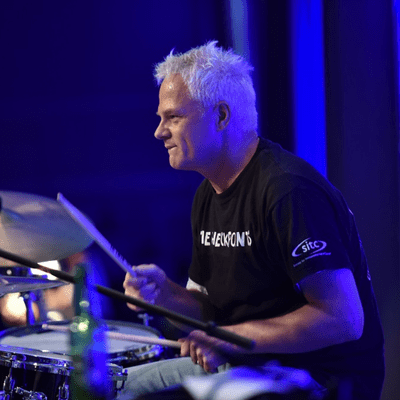
Drummer, The CheckPoints;
Scientific project manager,
HUMAN project
HZI Braunschweig, Germany
Best drummers: Vinnie Colaiuta, Tony Royster Jr.
Dirk Spitzer
Music:
- Tool
- Porcupine Tree
- Saliva
- Linkin Park, Eminem, and Slipknot mashups
Books:
- “The Swarm,” by Frank Schätzing
Here are my hobbies:
If I don’t play the drums, I like ice skating, model RC planes (electric aerobatic and sail planes), soccer, table tennis, swimming, and basketball, among other things.
I like to listen to Tool, Porcupine Tree, Saliva, and the mashups with Linkin Park, Eminem, and Slipknot, among many other genres. Best drummers: Vinnie Colaiuta, Tony Royster Jr.
What are you reading?
I like to read travel books and science fiction such as “The Swarm” (Frank Schätzing).
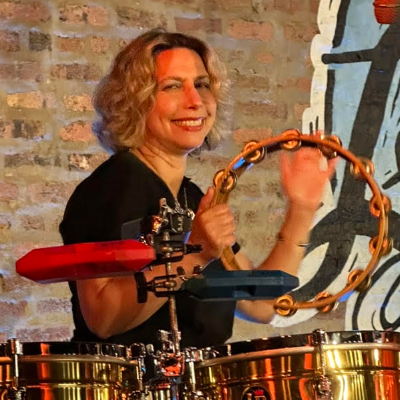
Percussionist, The CheckPoints;
Music therapist,
Memorial Sloan Kettering Cancer Center
There’s something about his Batiste’s turn of phrase that makes me breathe a little deeper and relax into this genius blend of genre and time periods.
Karen Popkin
Articles:
- “Beyond Distraction: Music Therapy for Chronic Pain Management in People with Advanced Cancer,” published in Integrative Cancer Therapies
Music:
- Beethoven Blues, by Jon Batiste
- Everybody Scream, by Florence + The Machine
- At Peace, by Ballake Sissoko
Books:
- “In the Distance,” by Hernan Diaz
- “Summer Husband,” by Amy Lorowitz
- Currently reading: “The Bold World: A Memoir of Family and Transformation,” Jodie Patterson
What do you think was the most impactful paper of the year?
As a long-time music therapist who has experienced meaningful shifts in best practice that are growing the field, I found this study not only informative but also affirming: Bradt J, Gumert L, Cottone C, et al. Beyond Distraction: Music therapy for chronic pain management in people with advanced cancer.
What are you listening to (albums, EPs, songs) this summer?
I’ve been listening to Jon Batiste’s “Beethoven Blues.” There’s something about his turn of phrase that makes me breathe a little deeper and relax into this genius blend of genre and time periods. I also have great appreciation for Florence + Machine’s 2025 release, “Everybody Scream,” for its pure emotional energy. And lastly, I keep coming back to Ballake Sissoko, master kora player, whose aptly named album, “At Peace” is just bliss.
What are you reading?
I’m still contemplating the gorgeous and devastating novel, “In the Distance” by Hernan Diaz. After that, I needed and found a delightful read, “Summer Husband,” a break-out novel by a friend of mine, Amy Lorowitz, and am now wrapping up Jodie Patterson’s memoir, “The Bold World.”