Huntsman Cancer Institute becomes first Mediso Preclinical Imaging Center of Excellence in North America

Share on facebook
Share on twitter
Share on linkedin
Share on email
Share on print

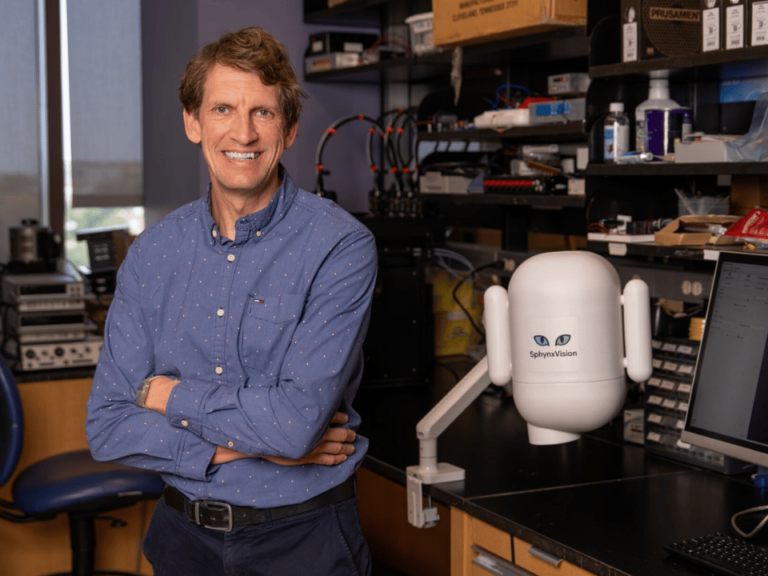
HUNTSMAN CANCER INSTITUTE became the first Mediso Preclinical Imaging Center of Excellence in North America.

Two multi-modality nanoScan in vivo preclinical imaging systems have been installed at HCI: a nanoScan PET/MRI, combining positron emission tomography and magnetic resonance imaging techniques in one integrated system, and a nanoScan SPECT/CT, combining single photon emission tomography and x-ray computed tomography in one combined system.

Both systems integrate four imaging modalities without any compromise in image quality, performance and ease of use.

HCI provides a unique combination with the possibility to perform quantitative preclinical imaging covering four modalities – PET, SPECT, MRI and CT.

The researchers are able to select any combination of the modalities to interrogate a wide range of biological questions by using the common building blocks developed by Mediso, including the Nucline acquisition framework and the MultiCell animal handling and monitoring system.


Table of Contents

YOU MAY BE INTERESTED IN

When our hematological malignancy testing pilot project began in Eldoret, Kenya, there seemed to be a mismatch in relation to progress in healthcare. The region, like much of sub-Saharan Africa, had been focusing on combatting infectious diseases such as HIV and malaria—which was much-needed—yet cancer care was under-resourced. 
Artificial intelligence is rapidly transforming biomedical research and healthcare. Large language models, foundation models, and AI agents are increasingly being deployed to assist with data interpretation, literature review, clinical decision support, and translational research. 
In modern oncology, important insights from clinical trials often emerge years after initial publication. As new therapies extend survival and transition more patients into long-term remissions, clinicians and researchers are increasingly looking beyond initial response rates to understand durability, long-term safety, and even the possibility of a cure. 

Never miss an issue!

Get alerts for our award-winning coverage in your inbox.

Login