Keaton Herzer had never even heard of cholangiocarcinoma when he was diagnosed in 2025.
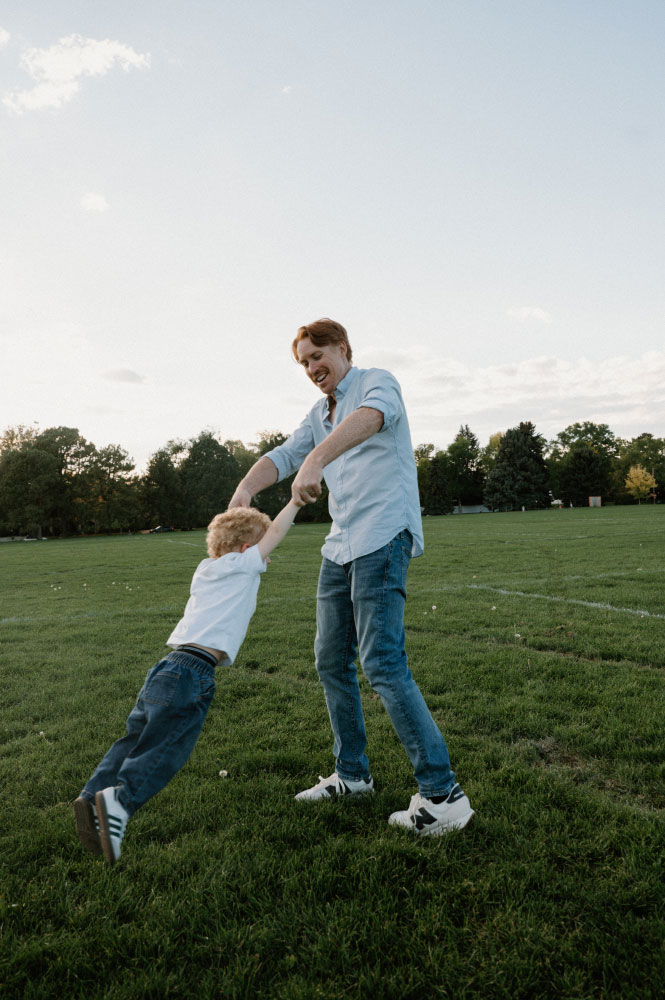
He was 34 years old, living in Colorado with his wife—his high school sweetheart—and their brand-new baby boy. His symptoms were barely noticeable: a few days of abdominal pain on his right side, but “nothing that would’ve really jumped out as alarming,” he said.
A CT scan revealed an 11 cm mass on the left lobe of his liver, an 8 cm mass on the right lobe, and dozens of smaller masses throughout the organ.
He was diagnosed with stage 4 intrahepatic cholangiocarcinoma, a rare bile duct cancer of the liver, and was told that his tumors were very large.
“My wife and I were just kind of figuring out how to be parents, so it was a huge shock to us, and it was really hard to come to terms with the fact: ‘Okay, I have cancer now,’” Herzer said. “Both of us just immediately kicked into fight or flight. I guess flight’s not an option. So, it was, okay, we fight.”

Though his prognosis was bleak, Herzer said he wasn’t going to settle for anything less than a cure.
“I was trying to get a cure. I’m not trying for a couple extra years. I want to beat this and I want to see my son grow up,” Herzer said. “[A transplant] became my north star. Every decision that I made, I thought: ‘Is this going to get me to transplant? Is this going to keep my disease stable enough for transplant? Is it going to shrink my tumors so that I can get a transplant?’ That informed every single decision. Because I knew, at least right now, it’s one of the only potentially curative treatment options for this cancer.”
In this episode of The Cancer History Project podcast, Deborah Doroshow, associate professor of medicine at the Tisch Cancer Institute, Icahn School of Medicine at Mount Sinai, sat down with Herzer in honor of cholangiocarcinoma awareness month.
Doroshow, a historian of medicine, is a member of the editorial board of the Cancer History Project. Her conversation with Herzer is available on the Cancer History Project podcast.
This episode is available on Spotify, Apple Podcasts, and YouTube.
Within two weeks of his diagnosis, Herzer, his wife, and 16-month old baby boy picked up their lives and moved to Connecticut so Herzer could receive treatment nearby at Memorial Sloan Kettering in New York City.
“With tumors as large as mine, the prognosis was not looking good,” Herzer said. “I had a couple doctors tell me to make a will, and that was really hard to process, especially because my son was still very young. I don’t think he deserves to lose his dad. I don’t think my wife deserves to be a single mother. I want to be there for them. I want to see him grow up.”
He started on first-line treatment: a combination of gemcitabine, cisplatin, and durvalumab. But a few months in, his scans showed that his tumors had progressed.
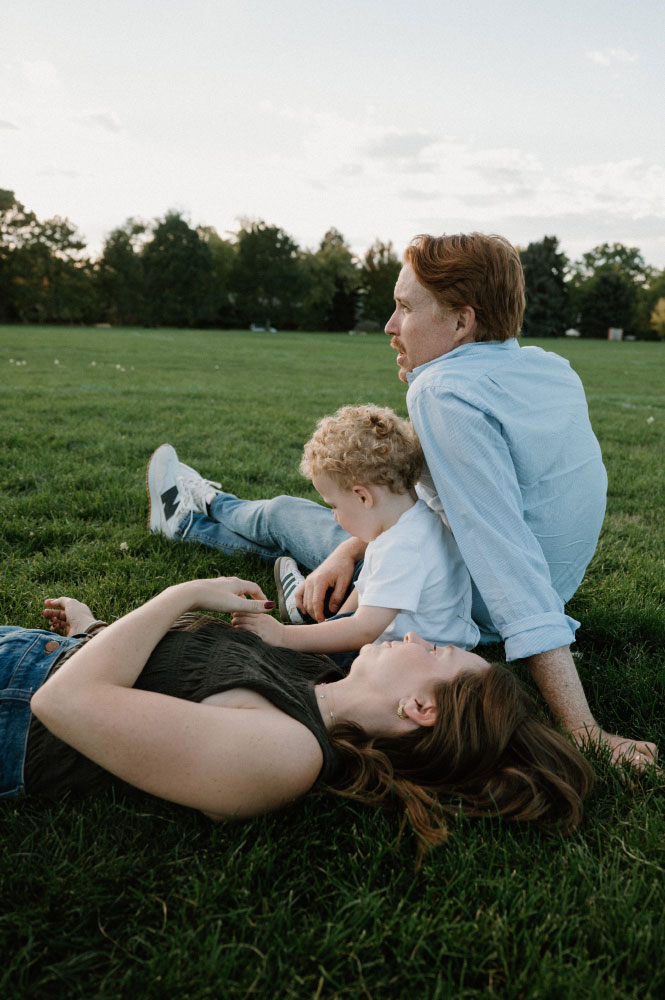
Source for all photos: Keaton Herzer
The next line of treatment was combination chemotherapy: FOLFOX or FOLFIRI. But Herzer knew the odds were not in his favor. He went searching for a better option.
Herzer was initially informed by his doctor that his cancer had no targetable mutations after undergoing genetic testing. But digging deeper into his report, he discovered that he was positive for NRG1-fusion—a mutation present in less than 1% of tumors.
After consulting with ChatGPT, Herzer turned his attention to zenocutuzumab, an antibody treatment which had been granted accelerated approval for the treatment of NRG1 fusion-positive lung and pancreatic cancers in 2024. The eNRGy clinical trial, sponsored by Partner Therapeutics, Inc., included a cohort of cholangiocarcinoma patients, but the results had not yet been published. It turned out Herzer was onto something, because May 8, 2026, FDA approved zenocutuzumab for cholangiocarcinoma (The Cancer Letter, May 15, 2026).
“I’m not the biggest fan of AI, but I think in this use case, it can be very helpful,” Herzer said.
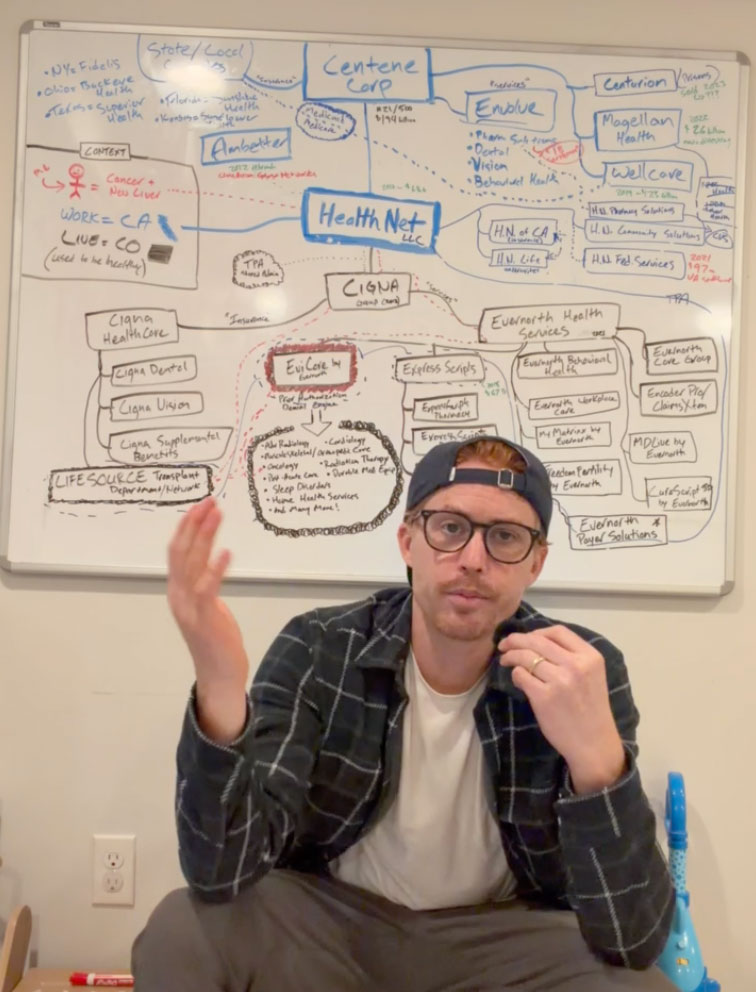
However, when he pitched his idea, his oncologist was unwilling to prescribe the treatment off-label without trying the second-line chemotherapies first. Herzer decided to look elsewhere for a doctor that would.
“I tell people, ‘You can fire your oncologist.’ It’s okay to do that, and you’re probably not going to hurt their feelings, right? It’s okay to get a second opinion. It’s okay to find somebody whose style is more in line with what you kind of vibe with. There’s nothing wrong with that. It’s your life. You can do whatever you want.”
Herzer hit the pavement, meeting with six oncologists across the country.
“I went up to Boston and talked to Mass General. I talked to UCLA and USC,” Herzer said. “They told me the same thing—‘Let’s wait, keep it in our back pocket. Let’s try these other things first.’”
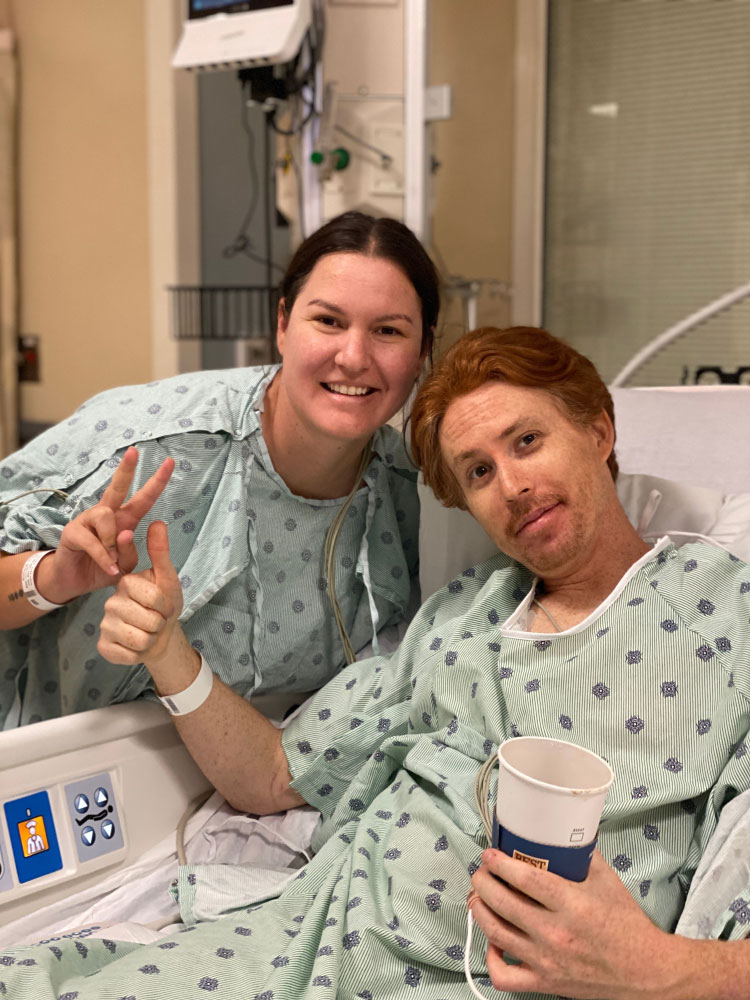
It was then that his current team of oncologists at MD Anderson Cancer Center decided to take his case.
“I didn’t feel dismissed. I felt like he sat down, he listened to me. He was honest with me, but he listened and he said, ‘I hear you. I understand your goals. I’m going to do everything I can to get there with you. Can’t make any promises obviously, but we’ll work with you on that.’ He was the first doctor to say that to me. I had spoken to a lot of doctors at that point. It was the first time that I felt like: This guy listens to me, this guy actually cares about me,’” Herzer said.
However, another formidable obstacle stood in Herzer’s way: his insurance company. Because the treatment was not FDA approved for his cancer type, Herzer’s insurance denied his claim.
For the next month, Herzer and his wife spent many hours a day on the phone battling the denial.
“Do I wait or do I deplete my entire life savings and pay for these infusions out of pocket?” Herzer said. “I don’t want to wait because time is not on my side with this cancer. Anytime I spend waiting, it could mean my cancer grows, it spreads, and then transplant is off the table completely.
“We drained our savings, we paid out of pocket, and eventually almost a year later, that money was reimbursed, but that was a really stressful time.”
Taking a chance on zenocutuzumab paid off. His CA 19-9 tumor marker diminished dramatically from 4,000 U/mL to eventually 100 U/mL. His biggest tumor shrank by 50%, and the smaller ones disappeared.
“Hopefully this was the thing that keeps my cancer stable long enough for me to get a transplant,” Herzer said. “I didn’t have too many side effects. I felt like a normal person. I was able to do things that I enjoy doing and climb mountains, take all these hikes.”
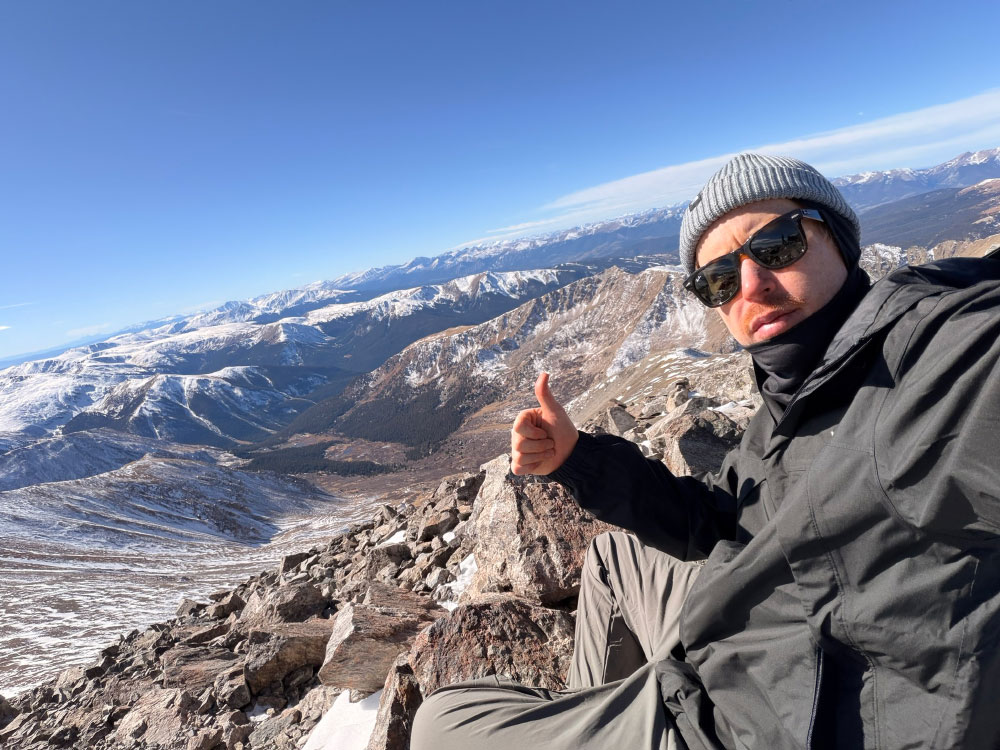
The next goal: a liver transplant. Herzer was repeatedly told that he was not a good candidate for a transplant. But once his tumors started to shrink, he began to meet the criteria. The possibility was starting to materialize.
Soon, he got news of a transplant donor. His cousin, Stephanie, was willing to donate her liver.
“That was crazy to hear,” Herzer said. “She was willing and she was the first person to sign up on my list of donors to be evaluated… I would do it for her in a second, but I have a hard time with the idea that someone would do it for me. I don’t know what that’s about. Well, I’m grateful. I mean, grateful is an understatement.”
I had a couple doctors tell me to make a will, and that was really hard to process, especially because my son was still very young. I don’t think he deserves to lose his dad. I don’t think my wife deserves to be a single mother. I want to be there for them. I want to see him grow up.
Keaton Herzer
Even though Herzer eventually cleared his evaluations for a transplant, his insurance company refused to cover the surgery.
In desperation, he decided to share his story on social media, which received tens of thousands of views. Shortly after, his insurer reversed the denial.
“None of that would’ve happened without all of this pressure on the insurance company to do the right thing,” Herzer said. “Nobody should have to go viral to get a life-saving surgery that you desperately need, that will prevent your son from growing up without a father. It’s crazy that anyone should have to do that.”
On March 31, Herzer received a liver transplant. Stephanie donated 65% of her liver to Herzer. Both of their livers grew back.
Today, Herzer’s scans all show no evidence of disease, and in just a few weeks he will finish chemotherapy.
Since the transplant, Herzer has been focused on his next battle: climbing Mount Rainier in Washington state.
In August, he created a fundraiser with the goal of reaching the summit of the mountain—a feat which requires 10 miles of hiking and gaining 9,000 feet in altitude—and raising $100,000 for the Cholangiocarcinoma Foundation. He plans to create a research fellowship focused on the disease.
“I did not make it all the way to the top. I was four months post liver transplant, probably bit off a little bit more than I could chew there,” Herzer said. “It was hard. It wasn’t even my decision to turn back. I was just moving slower than the group.”
Herzer said that he plans to try again next year.
Read more on the Cancer History Project. This interview is available on Spotify, Apple Podcasts, and YouTube.
Survivor stories in the Cancer History Project
The Cancer History Project has been collecting stories from cancer survivors since its launch in 2021. Here are some highlights:
- Christy Erickson’s cancer diagnosis led to life as a motorcyclist and strongman competitor
- Lung cancer couldn’t slow down physician and athlete Lawrence Phillips
- CAR T-cell therapy produced a complete remission of Marcus Humphrey’s lymphoma
- Chris Lundy had one week to live; 52 years later, he is the longest living BMT recipient at the Hutch
- Dwight Tosh, the 17th patient at St. Jude, on surviving lymphoma in 1962
- How Beth Carner went from six weeks left to live with stage 4 colon cancer to complete remission
- In 1998, a CML patient was out of options. Then she chanced into a treatment–Gleevec
The Cancer History Project is a free, collaborative archive of oncology history that aims to engage the scientific community and the general public in a dialogue on progress in cancer research and discovery.
This project is made possible with the support of our sponsors: City of Hope, the American Society of Clinical Oncology, the Sidney Kimmel Comprehensive Cancer Center at Johns Hopkins, the University of Texas MD Anderson Cancer Center, UK Markey Cancer Center, the National Comprehensive Cancer Network, and the Mark Foundation for Cancer Research.
The Cancer History Project is an initiative of The Cancer Letter, and is backed by over 60 partners, spanning academic cancer centers, government agencies, advocacy groups, professional societies, and more.
Interested in learning more about the history of oncology? Subscribe to our monthly podcast on Spotify, Apple Podcasts, or anywhere else you find your podcasts.