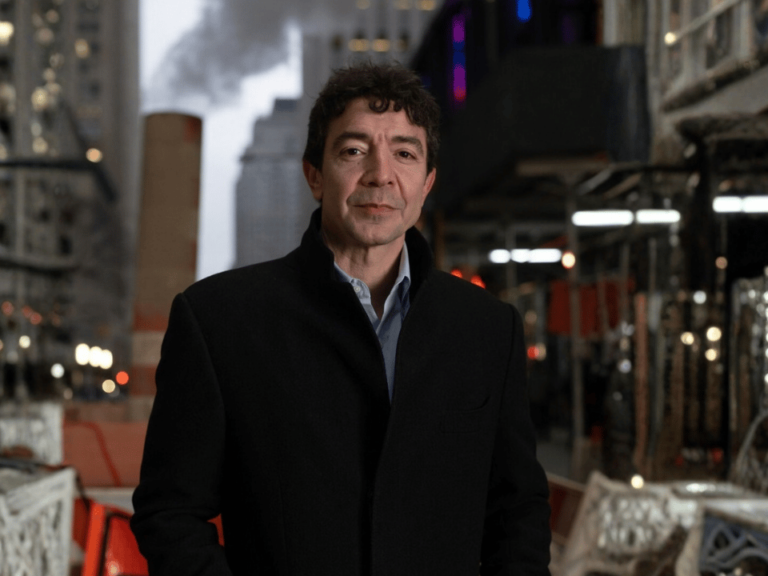
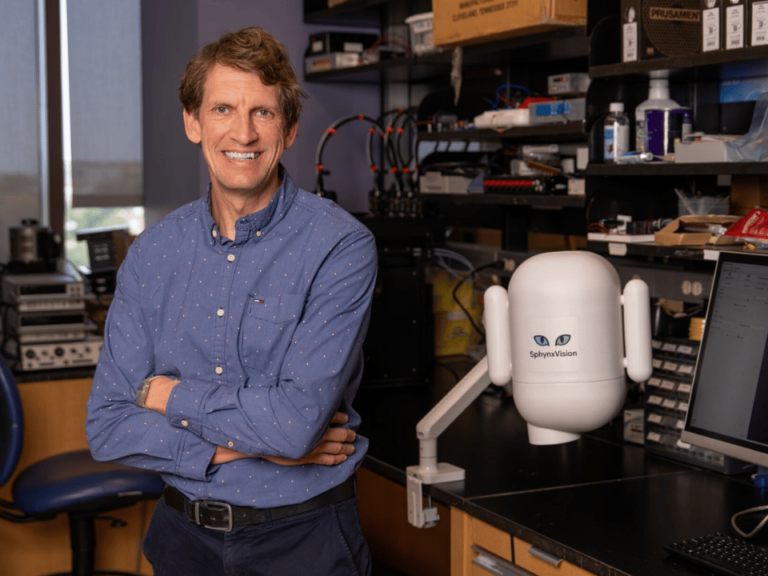
PETER SCHULTZ was named CEO and STEVE KAY was named president of The Scripps Research Institute.
Schultz is a member of the TSRI faculty as well as director of the California Institute for Biomedical Research. Kay, a former TSRI faculty member, is dean of the Dornsife College of Letters, Arts and Sciences at the University Of Southern California.
Schultz will take the lead in developing long-term strategy and external alliances, with a focus on building “bench-to-bedside” research capabilities, while Kay will spearhead the academic and operational activities of the Institute, said Dick Gephardt, chair of the TSRI board of trustees and president/CEO of Gephardt Government Affairs.
Schultz assumes his role immediately. His research is at the interface of chemistry and biology. He has pioneered technologies to make and characterize molecules and materials hundreds to millions at a time–work that has dramatically impacted our ability to create new medicines and materials.
He has led the development of new drugs that affect endogenous stem cells for neurodegenerative diseases and diseases of aging, and has directed efforts that have resulted in breakthrough therapies for the treatment of cancer, autoimmune and infectious disease. Most recently his laboratory has successfully created new “synthetic” organisms in which the evolutionary constraints of the 20-amino acid genetic code are lifted.
Kay, an expert on genes and circadian rhythms, will begin as president-elect as he transitions from USC. Kay has founded several biotechnology companies, most recently Reset Therapeutics, a San Francisco-based drug development corporation.