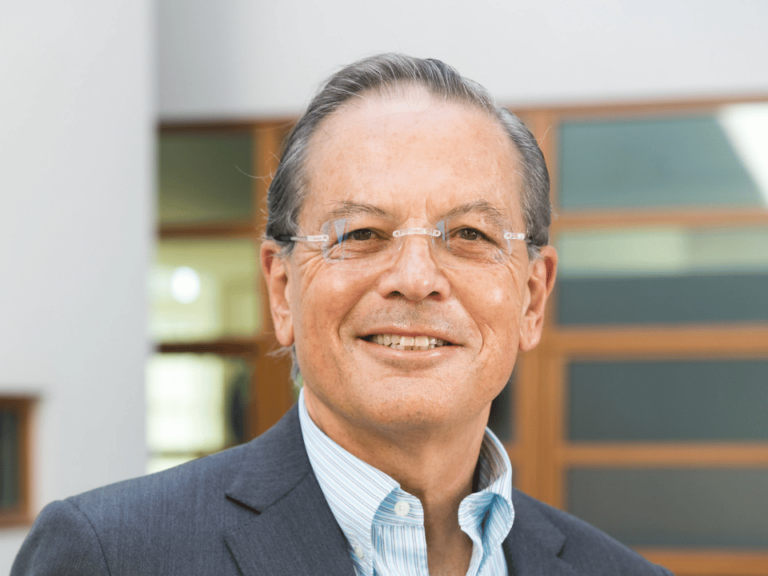
Donald Kennedy, who served as FDA commissioner from 1977 to 1979, died this week of complications resulting from COVID-19. He was 88.
“I am sad to inform you of the passing of former FDA Commissioner Donald Kennedy, Ph.D., who passed away this week from complications resulting from COVID-19,” FDA Commissioner Stephen M. Hahn said in a statement. “Kennedy was a widely-recognized researcher, an admired teacher, an astute administrator, and a firm believer in the importance of public service. He leaves an impressive and inspirational legacy. Words cannot express enough how much we value the contributions Dr. Kennedy made to public health.
“As we all cope with this pandemic, his passing strikes close to home.
“Under his leadership, the agency warned the public about, and seized as an illegal drug, the popular but ineffective cancer treatment, Laetrile. He also led the agency as it faced widespread reaction to the attempted ban of saccharin under the Food Additives Amendment. Among his accomplishments, Dr. Kennedy implemented the 1976 Medical Device Amendments; pursued a concerted—though in the end unsuccessful—effort to pass a comprehensive Drug Regulation Reform Act (though many provisions of that effort eventually found their way into the law); proposed restrictions against the use of antibiotics in animal feed; and removed, under the Secretary’s order, the antidiabetic drug, phenformin, as an imminent hazard under the law—the first time that provision had been applied.”
After he left the FDA, Kennedy returned to Stanford University as vice president for academic affairs and provost and then, from 1980 to 1991, served as president. He served as editor-in-chief of the journal Science from 2000 to 2008.