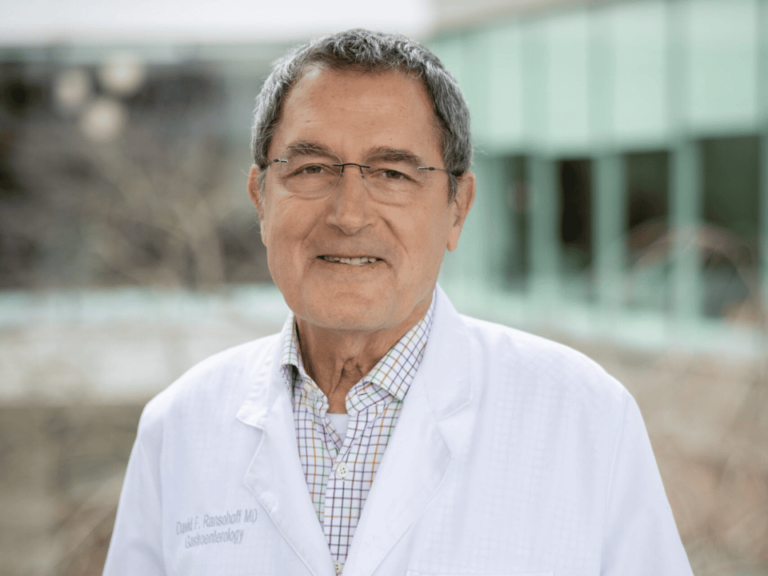
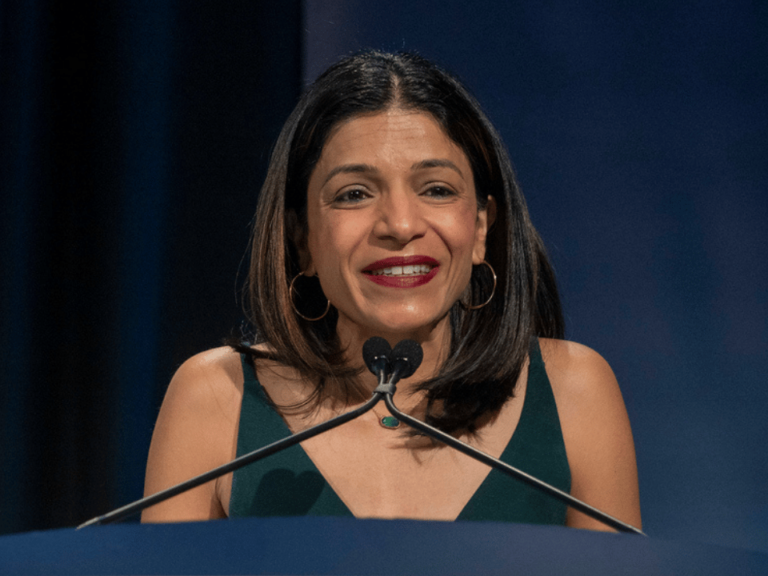
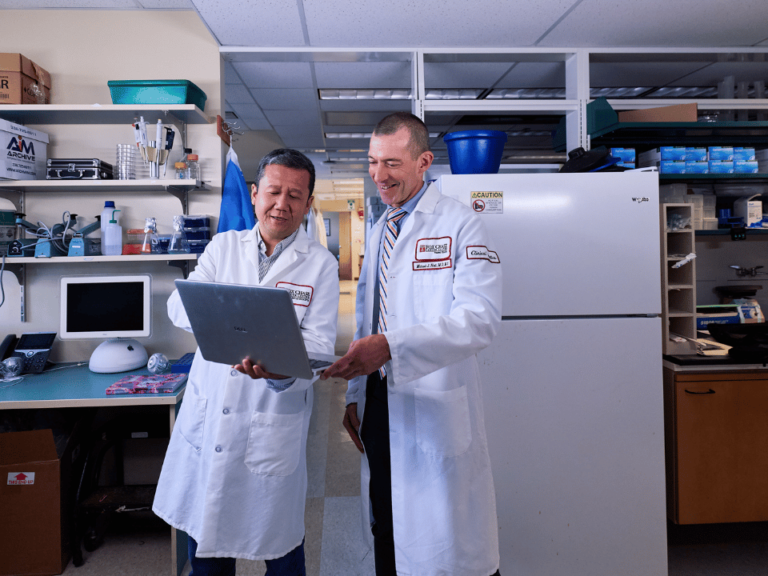
Jonathan Serody was named chief of hematology and Ethan Basch was named chief of oncology at University of North Carolina School of Medicine Department of Medicine.
Melba Ribeiro will serve both divisions as associate chief for administration.
The appointments are part of a realignment of the Division of Hematology and Oncology that will form two divisions from one.

“The division of hematology and oncology has grown substantially under the leadership of Dr. Lisa Carey,” Ron Falk, chair of the University of North Carolina School of Medicine’s Department of Medicine, said in a statement. “As Dr. Carey transitions to her new role as deputy director of clinical sciences at [UNC Lineberger Comprehensive Cancer Center], we’ve determined that having two divisions, tightly linked, will help us more efficiently manage administration for these subspecialties and position them for future growth.”
The North Carolina Cancer Hospital is the clinical home for the Lineberger Comprehensive Cancer Center.
Serody, the Elizabeth Thomas Professor of Medicine, Microbiology and Immunology, is the associate chief of malignant hematology, bone marrow transplant and cellular therapy and the director of UNC’s Bone Marrow Transplantation & Cellular Therapy Program. He also serves as the associate director for Translational Science at the UNC Lineberger.

Basch is the Richard M. Goldberg Distinguished Professor in Medical Oncology and is focused clinically on the treatment of prostate cancer. He leads a longstanding research program focused on cancer care delivery transformation and patient-centered care, and directs the Outcomes Research Program for UNC Lineberger.
His group established that integrating patient-reported outcome symptom monitoring into routine cancer care improves patients’ quality of life, reduces emergency department visits, and lengthens overall survival. Basch developed a system for patient adverse event reporting in clinical trials, the PRO-CTCAE, that is now a standard in oncology drug development.