Robert Westscott “Dr. Bob” Frelick died Sept. 1, 2016. He passed away in his sleep after an accident and short illness. He was 96.
Born in 1920, in Potsdam NY, Frelick graduated from Union College, Schenectady NY and received his medical degree from Yale University School of Medicine.
He joined the U.S. Army Reserve in 1942, rising to the rank of captain. After marrying Jane Owen Hayden in 1944 and serving a medical internship at New Haven Hospital in Connecticut, he went on active duty with the U.S. Army in 1945, first assigned to Madigan General Hospital in Fort Lewis WA, and then to the Army of Occupation in Munich, Germany.
In 1950, Frelick became executive officer of the Carpenter Memorial Clinic, part of what was then Memorial Hospital in Wilmington in DE. He played a key role in the 1997 merger of Memorial Hospital, Wilmington General Hospital, and Delaware Hospital into Christiana Care Health System (CCHS) and the establishment of the Helen F. Graham Cancer Center at CCHS.
In addition, he served as the director of the Department of Nuclear Medicine and Laboratory from 1952-1970, and of the Department of Medicine from 1966 to 1972 at the Wilmington Medical Center. Into his 90’s he was an active member of the Cancer Committees of Christiana Care Health System, South Jersey Hospital System, A.I. DuPont Children’s Hospital (Wilmington), and St. Francis Hospital (Wilmington).
From 1952 to 1982, he served as consultant physician and, from 1967 to 1979, director of employee medical services with for Atlas Chemical Industries Inc., headquartered in Wilmington, which became ICI America (now Astra Zeneca).
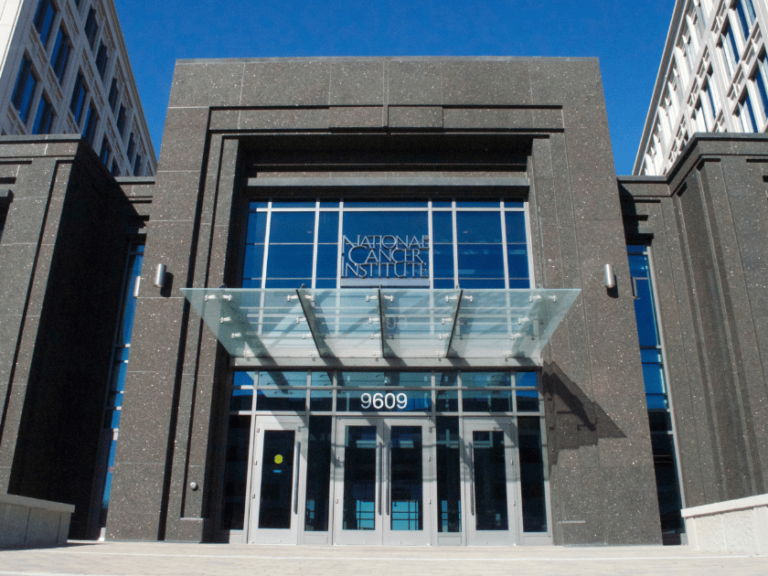
In 1982 he left his private practice and became program director for the Community Clinical Oncology Program at NCI. He helped establish the Association of Community Cancer Centers, which facilitated community hospital’s use of proven protocols for treating various forms of cancer and thereby allowing cancer patients to stay closer to home and the collection of research data from outside of big medical centers. While at NCI, he also represented NIH at the Commission on Cancer of the American College of Surgeons and served as consultant to a number of hospital cancer programs, including those at I.E. Allegheny General Hospital in Pittsburgh, PA; Aultman Hospital in Canton, OH; the South Jersey Hospital Consortium; and Methodist Hospital, Houston, TX.
Frelick also had extensive teaching experience in schools of medicine and nursing. He served as a lecturer, assistant professor, and honorary clinical professor at the University of Delaware, Temple University, and the Jefferson Medical College in Philadelphia.
Frelick was a lifelong Presbyterian. He considered his religious and church-related activities, his profession and his family to be the most important parts of his life.
A memorial service in celebration of his life will be on September 23rd at 2pm in Westminster Presbyterian Church, Wilmington DE. In lieu of flowers, the family requests memorial gifts to the Delaware Academy of Medicine or the Helen Graham Cancer Center in the Christiana Care Health System.