The fourth edition of the European Code Against Cancer was published by the International Agency for Research on Cancer, with the participation of the European Commission.
The code lists 12 ways to adopt healthier lifestyles and boost cancer prevention across Europe based on available scientific evidence. It is the outcome of a two-year collaborative work between cancer specialists, scientists, and other experts from across the European Union.
“The code raises awareness of the critical role of prevention in the fight against cancer,” said Christopher Wild, director of IARC, the specialized cancer agency of the World Health Organization. “By adopting the code, all European citizens can take concrete actions for themselves, their friends and families to significantly reduce their risk of developing cancer.”
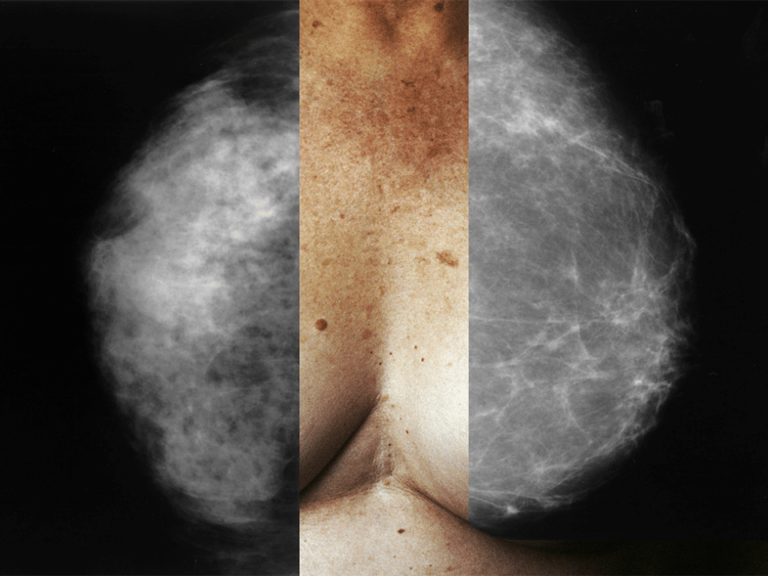
The code emphasizes the importance of avoiding tobacco, alcohol, and excessive sun exposure as well as the benefits of maintaining a healthy body weight and being physically active. It also recommends participation in bowel, breast and cervical cancer screening programs.
Other recommendations include breastfeeding, vaccination against human papillomavirus, and limiting the use of hormone replacement therapy. It also recommends finding out about potential exposure to radiation from radon at home.
Since the publication of the previous edition of the code in 2003, 13 new member states have joined the European Union, and the code has integrated a greater diversity of people with a variety of lifestyles and associated cancer risk. The scientific justifications for the code will also be published in a scientific journal and will be made available to the general public on the IARC website.