For over two decades, the ASCO Genitourinary Cancers Symposiumhas stood as the premier global event that has helped advance cancer science and transform care. The 2027 Symposium will continue this legacy from Feb. 11–13 in San Francisco by bringing together the largest international audience in GU oncology to help define tomorrow’s standards of care.
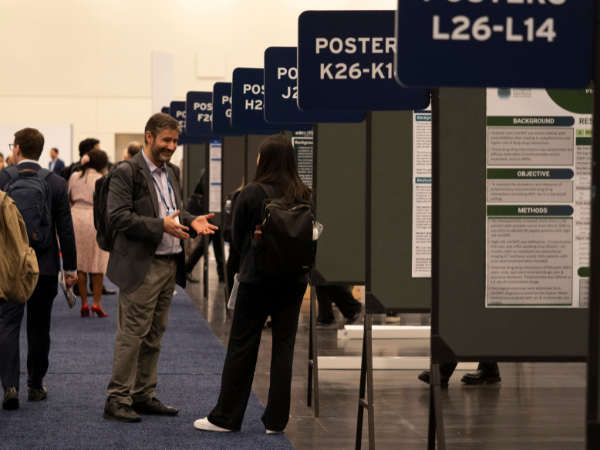
The symposium remains one of the few spaces where urologic, medical, and radiation oncologists sit at the same table with diagnostic and interventional radiologists to critically evaluate the latest innovations. These multidisciplinary conversations are what drive the field forward—a sentiment captured in this year’s theme: Pioneering Breakthroughs, Optimizing Patient Outcomes.
Abstract submissions for the 2027 Symposium are open through Oct. 13, 2026, at 11:59 PM (ET). This year, the ASCO GU is expanding its commitment to groundbreaking science by showcasing more oral presentations.
Shaping global standards of care
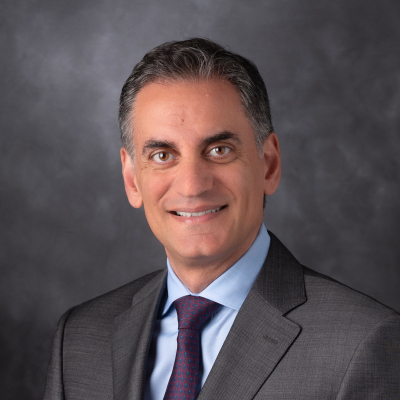
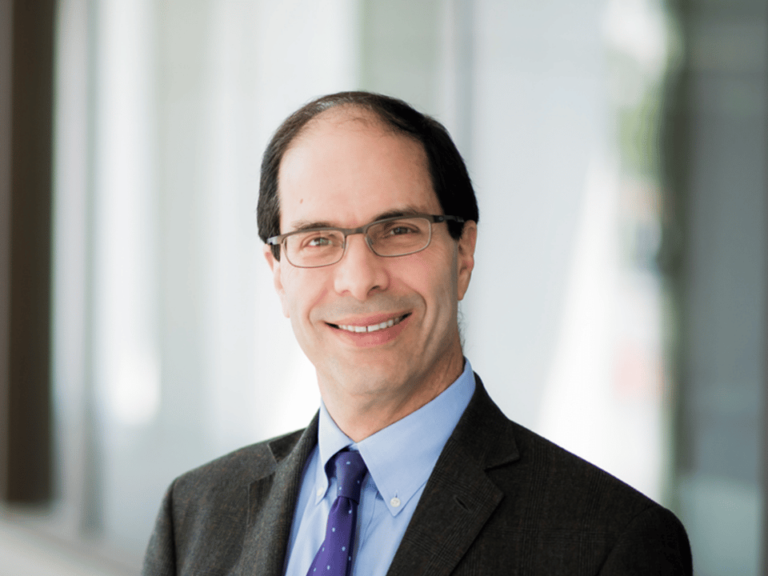
Chair of this year’s Symposium, Jose A. Karam, MD, FACS, of The University of Texas MD Anderson Cancer Center, encourages researchers to share findings from novel clinical trials and translational studies.
“ASCO GU has been the trusted source for the field’s most paradigm-shifting discoveries and provides a unique opportunity for researchers to present their work to a wide audience representing all GU specialties,” said Dr. Karam. “Researchers should take advantage of this new opportunity [more oral presentations] to showcase their innovative research in person.”
Dr. Karam and the Program Committee look forward to seeing more translational research and correlative studies that will help guide individualized patient care. They welcome submissions of phase III clinical trials, as well as phase I and phase II clinical trials to be presented as podium presentations in addition to posters.
The presenter’s journey: A pathway to global impact
Presenting your research at #GU27 goes beyond just sharing data; it’s an opportunity to gain critical exposure, connect with experts, and deliver practice-changing science.
Two presenters from the 2026 ASCO GU Cancers Symposium—Taigo Kato, MD, PhD, of the University of Osaka in Japan, and Pooja Ghatalia, MD, of Fox Chase Cancer Center—describe their experiences and the tangible impact presenting has had on their work.
“Abstracts accepted for presentation at ASCO GU undergo a highly competitive selection process, [so] I was particularly honored that my work was accepted,” said Dr. Kato.
His presentation garnered significant attention within the GU oncology community, including dedicated coverage by the specialized media outlet, UroToday.
“Receiving the opportunity to deliver an oral presentation at ASCO GU 2026 was especially rewarding and represented one of the highlights of my academic career,” he continued.
Dr. Kato went on to say that presenting at the Symposium provided him with the opportunity to foster new international collaborations, which will impact the GU cancer field. Dr. Ghatalia agreed.
“It was particularly meaningful because the research represents years of work by a multidisciplinary team and, most importantly, the contributions of patients who participated in these studies,” said Dr. Ghatalia.
Dr. Ghatalia elaborated on why presenting at ASCO GU is so significant.
“For me, the value goes beyond the presentation itself. Presenting [our] findings allowed us to engage with colleagues about where the field should go next. Those conversations can lead to new ideas, collaborations, and ultimately better studies,” she continued.
She also noted that presenting helped identify what questions still needed to be answered before the data could become part of routine care.
“Presenting our work at ASCO GU has been important not only for disseminating our findings, but also for receiving input that helps shape the next generation of research,” Dr. Ghatalia said.
Continuing the legacy
Both presenters urged researchers, especially early-career investigators, to submit their work to #GU27.
“Among major international oncology meetings, ASCO GU is unique in being exclusively dedicated to GU cancer,” said Dr. Kato. “Presenting [here] provides valuable opportunities to connect with investigators who share similar research interests, fostering new collaborations.”
Additionally, Dr. Ghatalia emphasized that submitters don’t need to have every answer solved to make an impact.
“Ask an important question, tell a clear story, and submit your work even if you are still early in your research journey,” she advised. “The feedback, connections, collaborations, and mentorship that can come from presenting at a meeting like ASCO GU have a lasting impact on your research and career.”
Be part of the conversation
If you have high-impact data or practice-changing insights, submit your research to the 2027 ASCO Genitourinary Cancers Symposium. Your work can help optimize patient care.
“We are eager to see breakthrough science and clinical trials presented in 2027, with the overarching goal of improving patient outcomes and driving the field forward,” concluded Dr. Karam.
The deadline for abstract submission is Oct. 13, 2026, at 11:59 PM (ET). Submit your work today.
This article was originally published on ASCO Connection on Sept. 24, 2026; reprinted with permission.