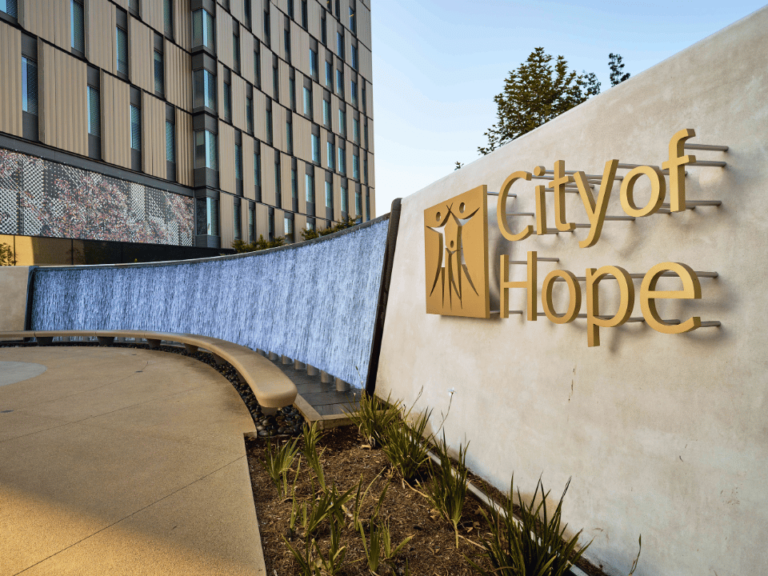
Quest Diagnostics, a provider of diagnostic information services, announced that City of Hope is implementing Haystack MRD, a circulating-tumor DNA minimal residual disease test, for clinical trial participants with solid tumor cancers to help guide disease management for patients being treated for breast, colorectal, ovarian, and prostate cancer.
To access this subscriber-only content please log in or subscribe.
If your institution has a site license, log in with IP-login or register for a sponsored account.*
*Not all site licenses are enrolled in sponsored accounts.
Login Subscribe
If your institution has a site license, log in with IP-login or register for a sponsored account.*
*Not all site licenses are enrolled in sponsored accounts.
Login Subscribe