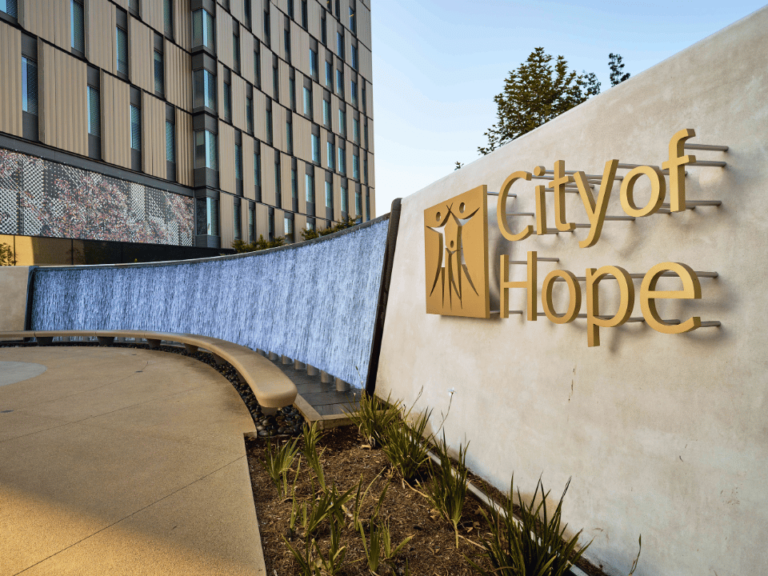
California Institute of Regenerative Medicine and Cancer Research: A promise broken?

Share on facebook
Share on twitter
Share on linkedin
Share on email
Share on print

Approximately 21 years ago, I had the privilege of working and helping to pass Proposition 71, which authorized $3 billion dollars in state bonds to fund stem cell research in California. 

To access this subscriber-only content please log in or subscribe.

If your institution has a site license, log in with IP-login or register for a sponsored account.*
*Not all site licenses are enrolled in sponsored accounts.

Login Subscribe

Stephen J. Forman, MD
Director, Hematologic Malignancies Research Institute, Professor, Department of Hematology & Hematopoietic Cell Transplantation, Director, T Cell Therapeutics Research Laboratory, Co-director, Hematologic Malignancies Program, City of Hope Comprehensive Cancer Center; Professor, Department of Medical Oncology & Therapeutics Research, City of Hope
Table of Contents

YOU MAY BE INTERESTED IN

Historically, the research initiatives of the Foundation for AIDS Research (amfAR) have focused on finding a cure for HIV. Four decades of HIV research have reshaped our understanding of the immune system, and insights from HIV have been leveraged in adjacent fields, including cancer immunology. Innovation can be bi-directional and reciprocal. Seminal findings in cancer immunology have also furthered understanding of HIV biology. 
Stephen J. Forman, MD
Director, Hematologic Malignancies Research Institute, Professor, Department of Hematology & Hematopoietic Cell Transplantation, Director, T Cell Therapeutics Research Laboratory, Co-director, Hematologic Malignancies Program, City of Hope Comprehensive Cancer Center; Professor, Department of Medical Oncology & Therapeutics Research, City of Hope

Never miss an issue!

Get alerts for our award-winning coverage in your inbox.

Login