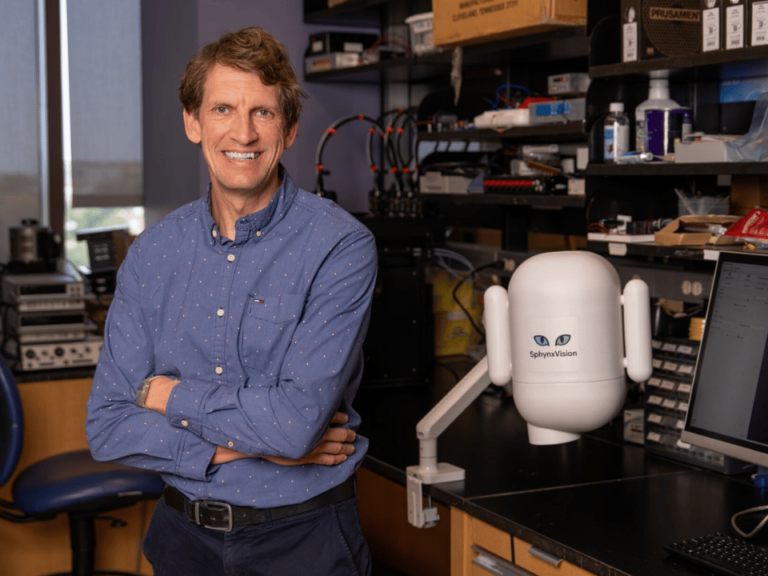
STEPHEN LESSNICK was named director of the Center for Childhood Cancer and Blood Disorders at the Research Institute at Nationwide Children’s Hospital.
Lessnick plans to foster collaborations with the clinical team within the Division of Hematology/Oncology/Blood and Marrow Transplantation at Nationwide Children’s.
The research team’s areas of focus include biology and therapy of a broad array of diseases that affect young children, adolescents, and young adults, including neuroblastoma, brain tumors, leukemia, and sarcomas. Lessnick’s personal research interest is in the area of Ewing sarcoma.
Lessnick is also a professor of pediatrics in the Division of Pediatric Hematology and Oncology at The Ohio State University College of Medicine.
He attended Brandeis University for his undergraduate education and earned his MD and PhD degrees from the University of California in Los Angeles.
After completing his internship and residency at Children’s Hospital in Boston, Lessnick finished his pediatric hematology and oncology fellowship at Children’s Hospital and the Dana-Farber Cancer Institute.
He completed his postdoctoral research in their Pediatric Oncology Department, where he studied the transcriptional consequences of the Ewing sarcoma fusion gene. He joined the University of Utah faculty in January 2004 and served as the director of the Center for Children’s Cancer Research at Huntsman Cancer Institute.