Global challenge aims to open new direction in breast cancer research

Share on facebook
Share on twitter
Share on linkedin
Share on email
Share on print

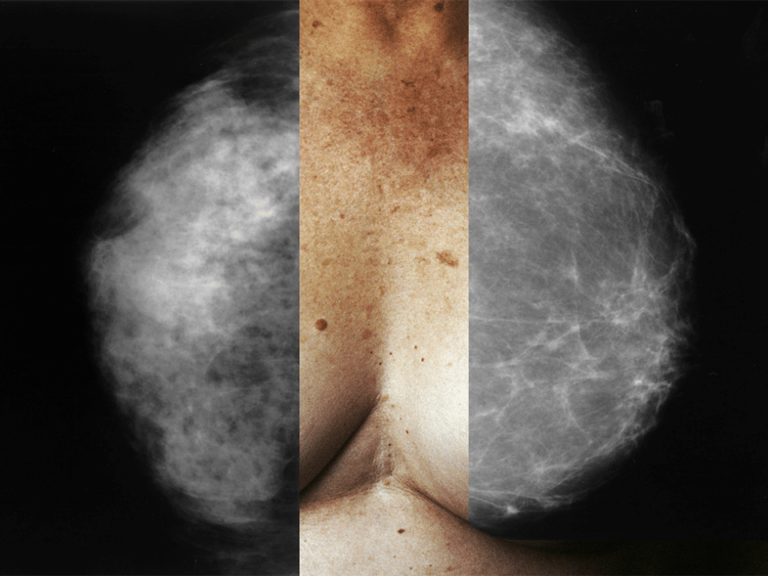
The California Breast Cancer Research Program has launched the Global Challenge to Prevent Breast Cancer, a competition designed to surface game-changing research ideas to advance breast cancer prevention.

CBCRP is seeking ideas from researchers, advocates, patients, activists, laypeople. The challenge is one of the signature commitments to the Biden Cancer Summit, the Biden Cancer Initiative’s nationwide effort to double the rate of progress against cancer.

By providing cash prizes, feedback from respected researchers, and the opportunity to present ideas to prominent leaders in the field, the challenge aims to unearth new and exciting ideas that people wished someone would explore, but thought might never get funded, have not had time to take on, or have not pursued yet for other reasons.

The challenge is unique in its focus on primary prevention. CBCRP is accepting applications in two categories: one for researchers and one for advocates.

Applicants can submit their ideas up until Jan. 7, 2019 at ToPreventBreastCancer.org. The most promising ideas will frame CBCRP’s future funding strategy and will be further developed in California with $15 million in grant funding.


Table of Contents

YOU MAY BE INTERESTED IN

When our hematological malignancy testing pilot project began in Eldoret, Kenya, there seemed to be a mismatch in relation to progress in healthcare. The region, like much of sub-Saharan Africa, had been focusing on combatting infectious diseases such as HIV and malaria—which was much-needed—yet cancer care was under-resourced. 
Artificial intelligence is rapidly transforming biomedical research and healthcare. Large language models, foundation models, and AI agents are increasingly being deployed to assist with data interpretation, literature review, clinical decision support, and translational research. 
In modern oncology, important insights from clinical trials often emerge years after initial publication. As new therapies extend survival and transition more patients into long-term remissions, clinicians and researchers are increasingly looking beyond initial response rates to understand durability, long-term safety, and even the possibility of a cure. 

Never miss an issue!

Get alerts for our award-winning coverage in your inbox.

Login