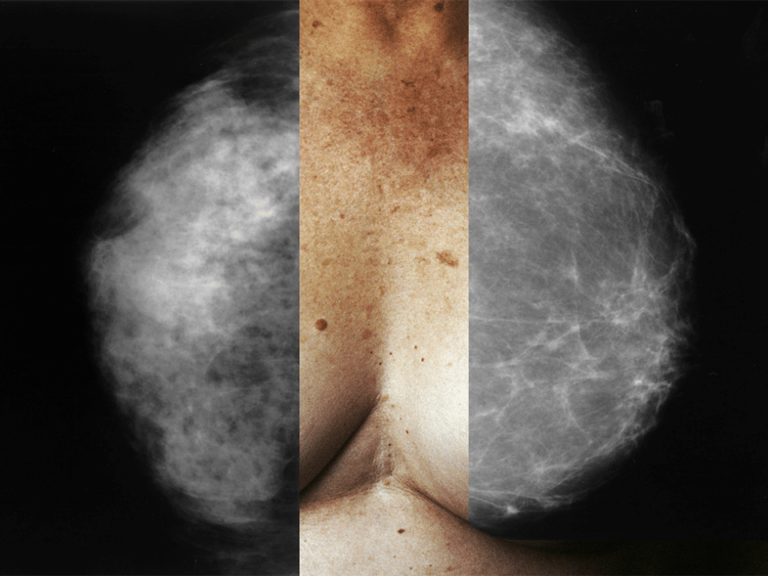
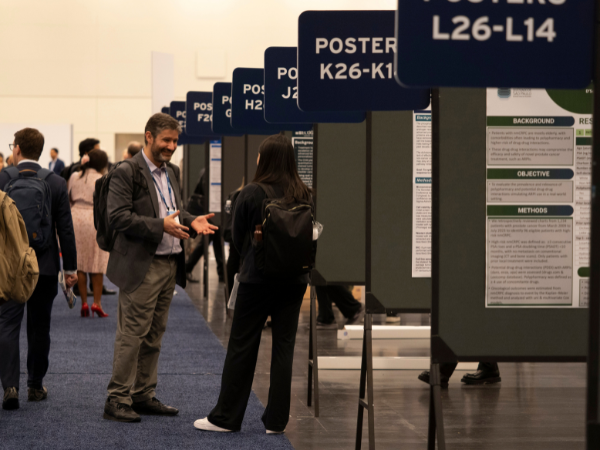
Three completed cohorts reporting findings in non-small cell lung cancer, breast, and metastatic colorectal cancer from the American Society of Clinical Oncology Inc.’s Targeted Agent and Profiling Utilization Registry study were presented in poster sessions during the American Association for Cancer Research Annual Meeting 2019.
In addition, all seven pharmaceutical companies currently participating in the TAPUR study have recently renewed their commitment to support it and provide study drugs at no cost for an additional one to three years.
TAPUR study participants are enrolled in cohorts based on their tumor type (e.g., any advanced solid tumor, multiple myeloma, or B cell non-Hodgkin lymphoma), the genomic alteration of their tumors, and the targeted drug(s) that correspond to those alterations.
Participants are enrolled in two stages and monitored for treatment response. Patient cohorts are either permanently closed after Stage I (less than two responses in 10 participants) or expanded to Stage II for further study and confirmation of a signal of drug activity.
The TAPUR study is designed to evaluate molecularly targeted cancer drugs and collect data on clinical outcomes to learn about potential additional uses of these drugs outside of FDA approved indications. It provides a clinical trial opportunity for patients with advanced cancer who have genomic alterations in their tumors that can be targeted with a TAPUR study drug.
There are currently 113 TAPUR study sites in 20 states and nearly 1,400 participants who have received study therapy. The various drugs and their different targeted therapy options (some drugs are used in combination) are provided to patients at no cost by the seven pharmaceutical companies currently participating: AstraZeneca; Bayer; Bristol-Myers Squibb; Eli Lilly and Company; Genentech, a Member of the Roche Group; Merck; and Pfizer. ASCO is seeking to add relevant targeted therapies.
Based on collaborative work with the FDA and Friends of Cancer Research, ASCO lowered the age of TAPUR study eligibility in 2017 from 18 to 12 years to extend the opportunity for participation to adolescent patients with advanced cancer. Last month, the FDA finalized guidance for industry on expanding clinical trial eligibility criteria based on input from ASCO and Friends. The TAPUR study is registered on ClinicalTrials.gov (NCT 02693535).