Six non-profit adolescent and young adult cancer advocacy organizations have launched CovidAYACancer.org, a resource for young people with cancer and the health professionals who treat them.
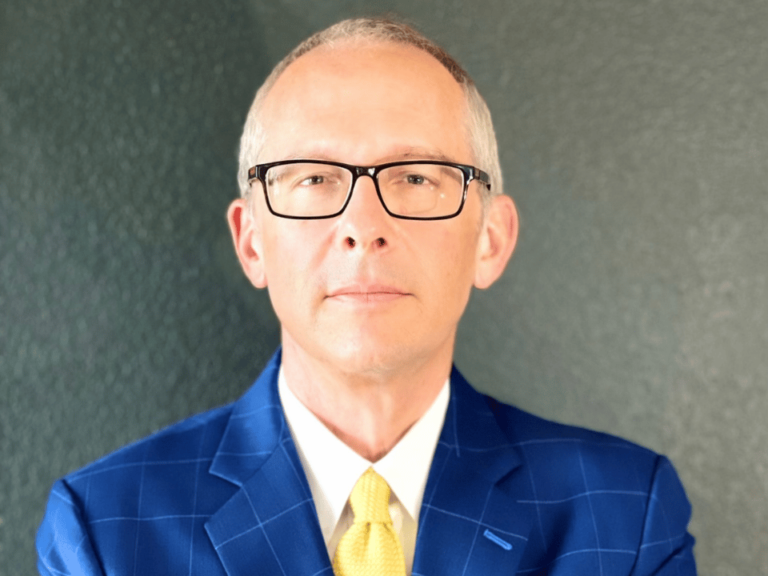
Teen Cancer America, Stupid Cancer, The Leukemia and Lymphoma Society, Cancer and Careers, Lacuna Loft and CureSearch have formed an alliance with oncology specialists, including Craig Nichols, Archie Bleyer and Stu Seigel, to develop the website.
CovidAYACancer.org aims to be a repository for critical information specifically benefittng AYA cancer patients, patient advocates and medical professionals working with this unique population.
Oncologists in the AYA cancer field treat immunocompromised patients who are at elevated levels of risk as a result of COVID-19.
CovidAYACancer.org provides AYA cancer patients and survivors with financial resources, virtual events, employment and psychosocial support. It plans to provide access to online supportive programs and guidance to patients and their families.
The site also provides guidelines for doctors and frontline health teams. Nichols, Bleyer and Siegel have been consulting with colleagues about best practices during COVID-19, as normal protocols for oncological treatment have changed significantly.
The CovidAYACancer alliance is supported by international pharmaceutical company Servier, which is providing coordination and technical support.