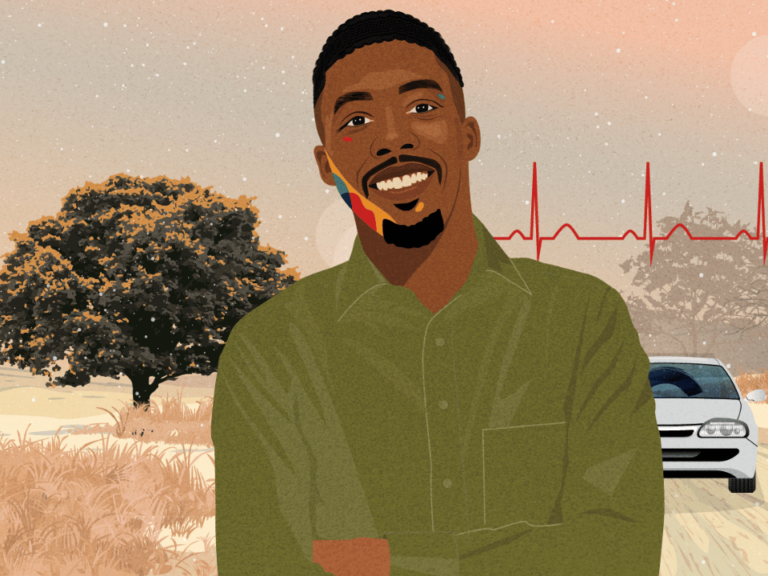
Cancer survivors who identify as lesbian, gay, bisexual, transgender, queer, or anything other than straight and cisgender experience more chronic health conditions, disabilities, and other physical and cognitive limitations than non-LGBTQ+ cancer survivors; however, the prevalence of most conditions was highest among transgender or gender non-conforming individuals, according to a study published in Cancer Epidemiology, Biomarkers & Prevention.
To access this subscriber-only content please log in or subscribe.
If your institution has a site license, log in with IP-login or register for a sponsored account.*
*Not all site licenses are enrolled in sponsored accounts.
Login Subscribe
If your institution has a site license, log in with IP-login or register for a sponsored account.*
*Not all site licenses are enrolled in sponsored accounts.
Login Subscribe