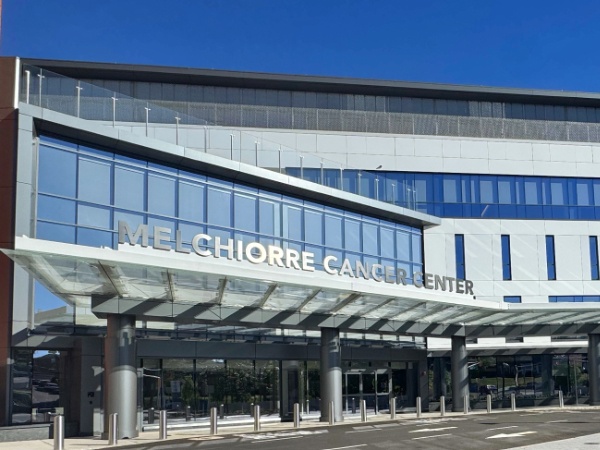
Rutgers study: Expanded use of a personalized remote risk communication intervention increased uptake of genetic counseling

Share on facebook
Share on twitter
Share on linkedin
Share on email
Share on print

Genetic counseling and genetic testing for mutations in certain genes—e.g., BRCA1 and BRCA2—can help people understand their risk of certain types of cancer that can run in families, and improve outcomes through prevention, early detection, and targeted treatments, a study conducted at Rutgers Cancer Institutes found.

To access this subscriber-only content please log in or subscribe.

If your institution has a site license, log in with IP-login or register for a sponsored account.*
*Not all site licenses are enrolled in sponsored accounts.

Login Subscribe
YOU MAY BE INTERESTED IN

Christian Hinrichs, co-director of the Duncan and Nancy MacMillan Cancer Immunology and Metabolism Center of Excellence and chief of the Section of Cancer Immunotherapy, RWJBarnabas Health, has been awarded a four-year, $800,000 translational research grant from the V Foundation for Cancer Research to develop next-generation immunotherapies for cancers caused by human papillomavirus. 
When Olufunmilayo I. “Funmi” Olopade was born, the most common Nigerian career aspirations were pastor or teacher. Olopade’s father, a pastor, thought differently. He wanted his children to be scientists, economists, and doctors. 

Never miss an issue!

Get alerts for our award-winning coverage in your inbox.

Login