Mass General, MIT team develops AI tool to predict lung cancer risk

Share on facebook
Share on twitter
Share on linkedin
Share on email
Share on print

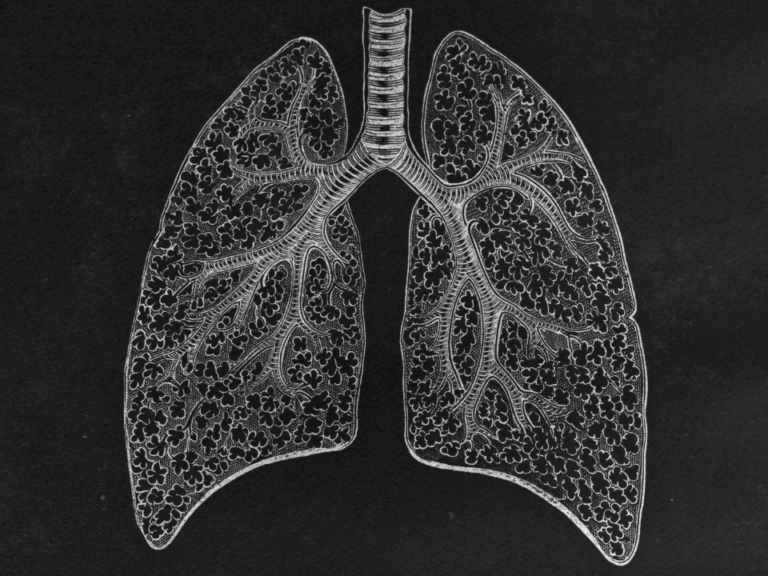
A study led by investigators from the Mass General Cancer Center, a member of Mass General Brigham, in collaboration with researchers at the Massachusetts Institute of Technology, developed and tested an artificial intelligence tool that accurately predicted the risk of lung cancer for individuals with or without a significant smoking history.

To access this subscriber-only content please log in or subscribe.

If your institution has a site license, log in with IP-login or register for a sponsored account.*
*Not all site licenses are enrolled in sponsored accounts.

Login Subscribe
Table of Contents

YOU MAY BE INTERESTED IN

Artificial intelligence may help radiologists identify subtle signs of breast cancers that are missed during routine mammograms—and some AI systems may even identify patterns associated with an increased risk of cancer before it becomes visible on a mammogram—but there are still many significant limitations, according to a review led by investigators at the UCLA Health Jonsson Comprehensive Cancer Center.
Hansoh Pharmaceutical Group announced positive overall survival data from ARTEMIS-008, its pivotal phase III trial in China, evaluating the B7-H3-targeted antibody-drug conjugate risvutatug rezetecan (Ris-Rez) versus topotecan in patients with relapsed small cell lung cancer whose disease progressed following platinum-based first-line therapy.
Patients with with advanced non-small cell lung cancer with epidermal growth factor receptor exon 20 insertion mutations treated with intravenous Rybrevant (amivantamab-vmjw) plus carboplatin-pemetrexed chemotherapy achieved a median OS of nearly three years (34.3 months), compared with 27.9 months for chemotherapy alone, according to the final overall survival analysis of the phase III PAPILLON study. 

Never miss an issue!

Get alerts for our award-winning coverage in your inbox.

Login