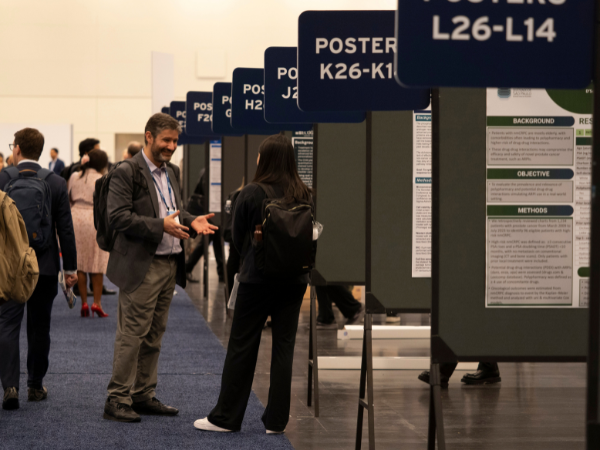
Initial results from the first North American clinical study of CIMAvax-EGF show that this Cuban-developed immunotherapy is safe, well tolerated and worthy of further study. Principal Investigator Grace Dy, of Roswell Park Comprehensive Cancer Center, presented the findings at the International Association for the Study of Lung Cancer’s 19th World Conference on Lung Cancer in Toronto, Canada.
The poster presentation reports results from the first portion of an ongoing phase I/II study of CIMAvax, an epidermal growth factor-depleting immunotherapy, in combination with the checkpoint inhibitor nivolumab (brand name Opdivo) in 13 patients with advanced non-small cell lung cancer. Nivolumab is an anti-PD1 antibody and is a standard therapeutic option in many countries, including the U.S., for patients with treatment-resistant or recurrent NSCLC.
No patients experienced life-threatening side effects attributable to the combination. One patient — representing 7 percent of this small study sample — experienced an on-target grade III side effect, myocarditis, attributed to nivolumab.
Earlier studies from Cuba have demonstrated a survival benefit for patients with advanced NSCLC who received maintenance doses of CIMAvax therapy in advanced NSCLC. While this initial dose-escalation portion of the ongoing Roswell Park study did not set out to evaluate efficacy, further examinations are underway.
Dy’s study was presented in collaboration with scientists from the Centro de Inmunología Molecular and Innovative Immunotherapy Alliance, a new company spun off from both Roswell Park and the CIM — the first-ever U.S.-Cuban biotech venture.