Researchers at Exact Sciences Corp. and Mayo Clinic announced progress toward developing a panel of novel, blood-based, DNA biomarkers that could accurately detect hepatocellular carcinoma, the most common cancer that originates in the liver.
The biomarker panel was shown to be 95 percent sensitive for detecting HCC across all stages. Sensitivity among patients with curable-stage disease was 91 percent. The panel has overall specificity of 93 percent, demonstrating its ability to discriminate between normal and diseased patients. Sensitivity and specificity are the most important statistical measures of a cancer detection test’s performance.
Individuals diagnosed with cirrhosis have the greatest risk of developing HCC, and it is recommended that they undergo ultrasound and blood monitoring every six to 12 months.
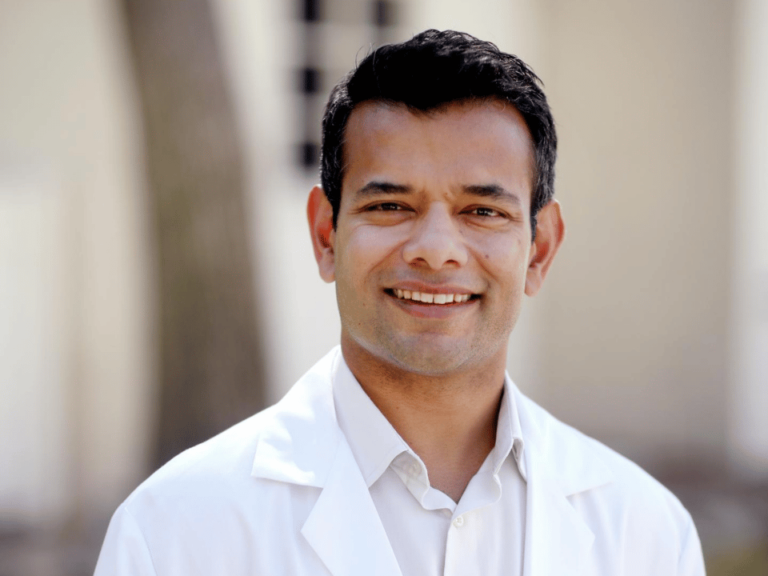
John Kisiel, the gastroenterologist and assistant professor of medicine at Mayo Clinic Medical School who led the study, said the current options for monitoring at-risk patients are “sub-optimal.”
“We estimate that fewer than half of at-risk patients are tested regularly, and some estimates suggest the monitoring rate is less than 20 percent in primary care settings, where most people get their care,” he said.
Using DNA extracted from the blood samples of 244 people, including 95 diagnosed across all stages of HCC, 51 with cirrhosis, and 98 healthy volunteers, researchers tested the samples against 15 biomarkers to identify the combination of six biomarkers that yielded the most accurate detection of HCC.
Exact Sciences and Mayo Clinic have been collaborators since 2009. The collaboration previously yielded Cologuard, the stool-based, advanced-DNA screening test for colorectal cancer.
The study results can be found here.