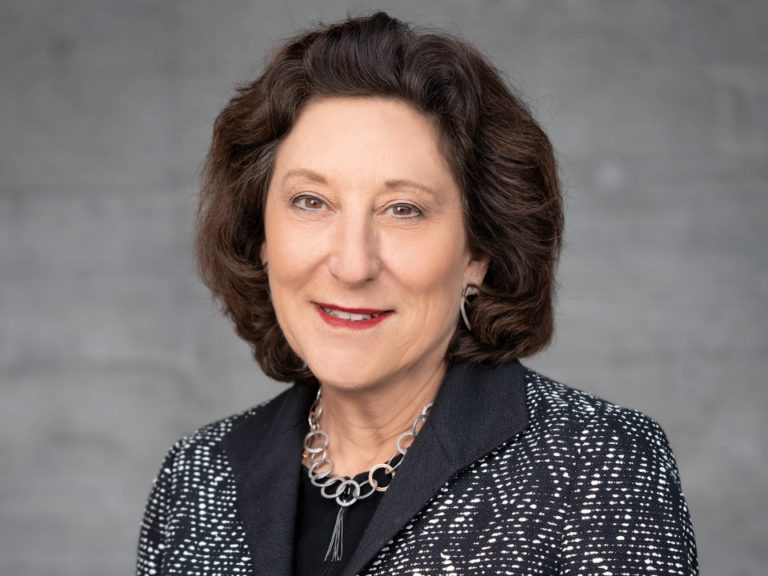
David Ashley was named director of the Preston Robert Tisch Brain Tumor Center at Duke. Ashley follows Darell Bigner, who became director emeritus on Feb. 1.
Bigner will continue to lead the work with the modified poliovirus in an expanding range of glioma and other cancers, including breast carcinoma and melanoma.
Before leaving Australia to join Duke in 2017 as professor of neurosurgery and director of the pediatric neuro-oncology program in the Department of Neurosurgery, Ashley had served as chair of the Department of Medicine at Deakin University, the program director of Cancer Services University Hospital Barwon Health, and executive director of the Western Alliance Academic Health Science Centre.
He was also a director of the Victorian Cancer Agency Consultative Council, director of Clinical Trials Australia, and has been an Academy member of the Australian National Health and Medical Research Council since 2010. Ashley also served as associate professor and director of the Children’s Cancer Center at the Royal Children’s Hospital in Melbourne, the largest children’s cancer treatment center in Australia.
Ashley is credentialed in both pediatric and adult oncology practice. His peer-reviewed publication record is diverse and includes laboratory-based cancer research, clinical trials, public health and psycho-oncology research.
His primary academic focus in brain tumors has been tumor immunology and the genomics and epigenetics of cancer. His achievements in research have led to change in practice in the care of children and adults with brain tumors including the introduction of new standards of practice for the delivery of systemic therapy.