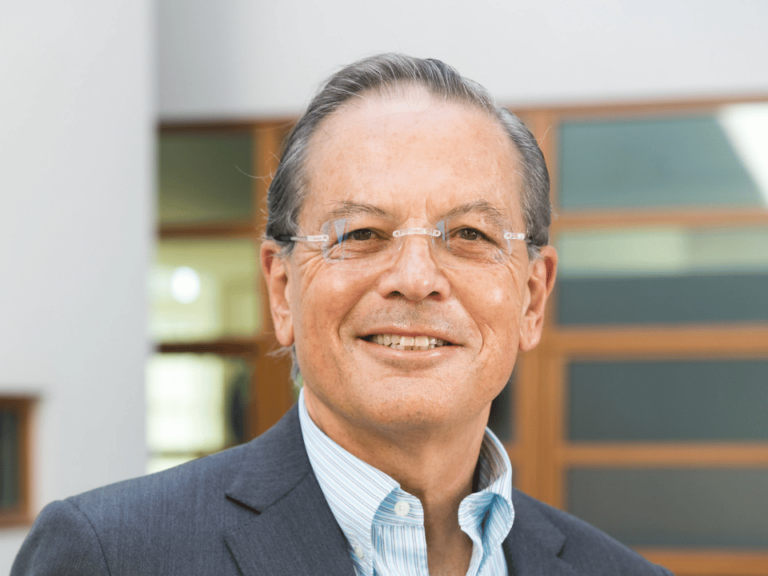
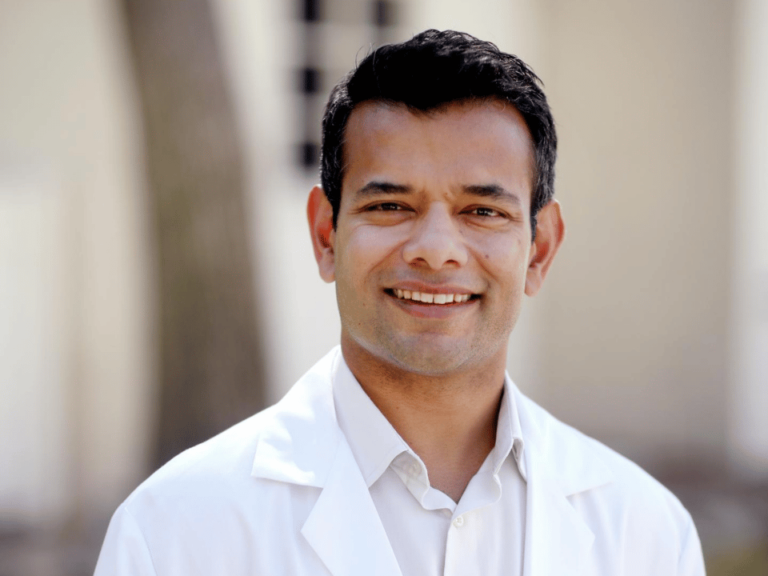
Edward Wolin was named director of the Mount Sinai Center for Carcinoid and Neuroendocrine Tumors.
The multidisciplinary center includes Mount Sinai specialists in gastroenterology, surgical oncology, hepatobiliary surgery, thoracic surgery, nuclear medicine, cardiology, medical oncology, radiology, pathology, endocrinology, and nutrition.
Wolin, who will also be a professor of medicine (hematology and medical oncology) at the Icahn School of Medicine at Mount Sinai, brings a robust research program that includes clinical trials aimed at finding the most effective treatments, including immunotherapy, biologic agents, targeted radiation therapy, and new approaches in molecular imaging for diagnosis.
He becomes the second director of the center which was founded by Richard Warner, professor of medicine (gastroenterology), a pioneer in neuroendocrine tumor research and treatment.
Wolin will lead the center along with Michelle Kang Kim, associate professor of medicine (gastroenterology), and who will serve as associate director after previously serving as interim director.
Wolin was most recently director of the Neuroendocrine Tumor Program at Montefiore Einstein Center for Cancer Care. He has pioneered innovative therapies with novel somatostatin analogs, mTOR inhibitors, anti-angiogenic drugs, and peptide receptor radiotherapy.
He was previously director of neuroendocrine tumor programs at the University of Kentucky Medical Center and Cedars-Sinai Medical Center in Los Angeles, where he founded and directed one of the then-largest carcinoid and neuroendocrine tumor programs in the country.
Wolin serves as co-medical director for the Carcinoid Cancer Foundation and on the Carcinoid Cancer Research Grants Scientific Review Committee for the American Association for Cancer Research.