AACR conference examines how societal framework of racism drives cancer disparities

Share on facebook
Share on twitter
Share on linkedin
Share on email
Share on print

The global coronavirus pandemic has torn the veil that dimmed the nation’s awareness of the breadth and depth of health disparities, including cancer health disparities.

To access this subscriber-only content please log in or subscribe.

If your institution has a site license, log in with IP-login or register for a sponsored account.*
*Not all site licenses are enrolled in sponsored accounts.

Login Subscribe
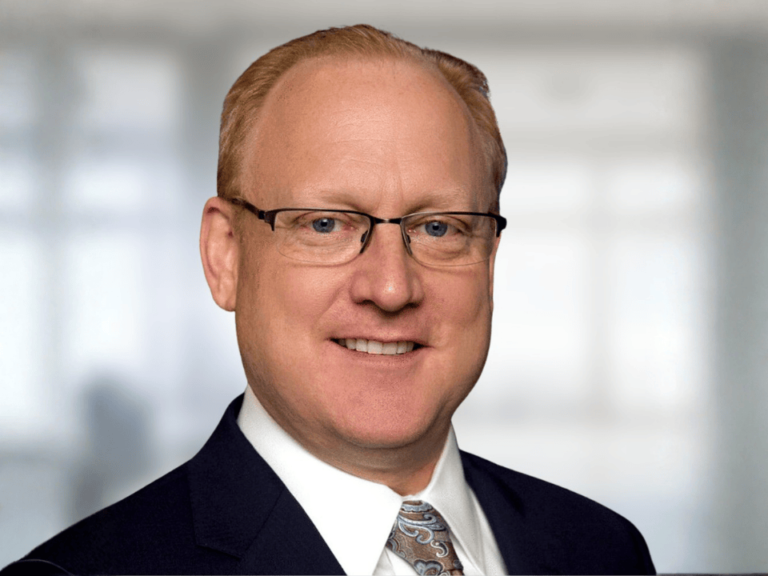
Steven R. Patierno, PhD
Deputy director, Duke Cancer Institute; Professor of medicine, pharmacology and cancer biology, professor of family medicine and community health, Duke University School Medicine; Conference co-chair, AACR Science of Cancer Health Disparities in Racial/Ethnic Minorities and the Medically Underserved

YOU MAY BE INTERESTED IN

Congress settled the FY26 question in February, with NCI receiving $7.352 billion, an increase of $128 million over the prior year. After a year in which cancer center directors spent an extraordinary share of their leadership attention defending the research enterprise, that outcome deserves to be called what it was: a win.
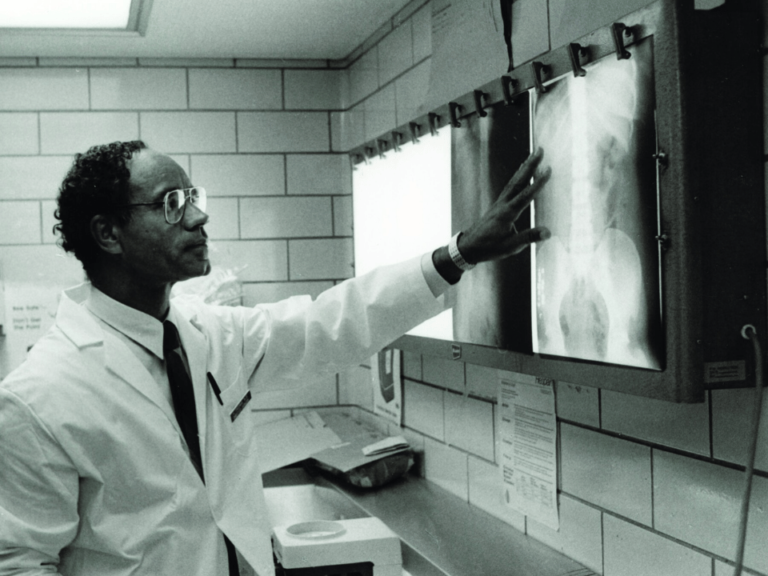
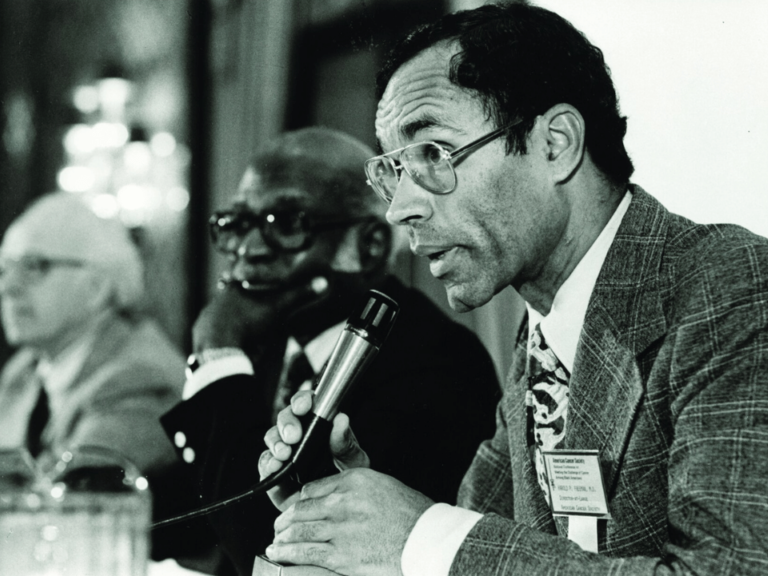
Harold P. Freeman, a surgeon who started his career in Harlem, where, in addition to performing surgeries, he pioneered the system of patient navigation, and who studied health disparities and served as president of the American Cancer Society and chair of the President’s Cancer Panel, died on Aug. 11. He was 93.
Steven R. Patierno, PhD
Deputy director, Duke Cancer Institute; Professor of medicine, pharmacology and cancer biology, professor of family medicine and community health, Duke University School Medicine; Conference co-chair, AACR Science of Cancer Health Disparities in Racial/Ethnic Minorities and the Medically Underserved

Never miss an issue!

Get alerts for our award-winning coverage in your inbox.

Login