Novel imaging technology could reduce need for additional surgery after breast cancer resection

Share on facebook
Share on twitter
Share on linkedin
Share on email
Share on print

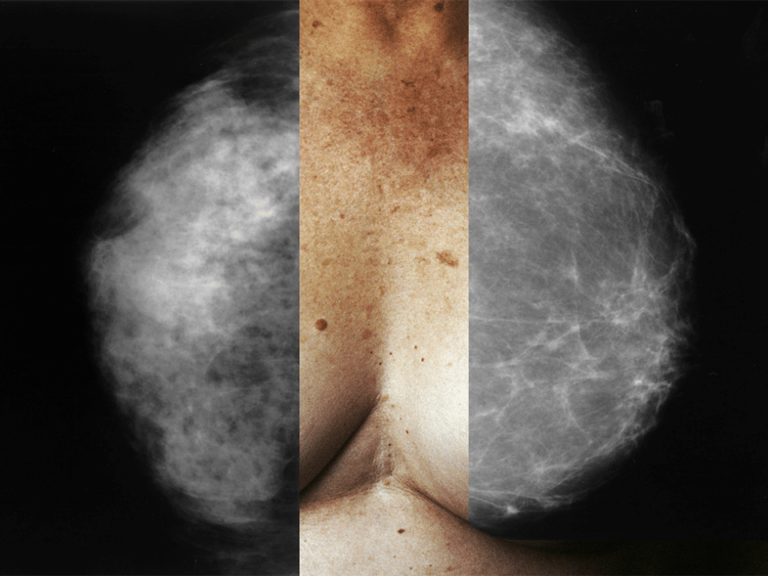
Wide Field Optical Coherence Tomography has the potential to significantly reduce the need for additional surgery after breast tumor resection, according to a study published in The Breast Journal.

To access this subscriber-only content please log in or subscribe.

If your institution has a site license, log in with IP-login or register for a sponsored account.*
*Not all site licenses are enrolled in sponsored accounts.

Login Subscribe

Table of Contents

YOU MAY BE INTERESTED IN

Recently, HHS Secretary Robert F. Kennedy Jr. posted a video montage featuring himself shirtless in jeans, working out with Kid Rock. The duo is in a blue-lit grotto with a cold plunge and sauna. Set to Kid Rock’s “Bawitdaba” and intercut with a selection of patriotic imagery, the video ends with the two men in a hot tub, chugging what appears to be milk.
In January, FDA released a draft guidance entitled “Minimal Residual Disease and Complete Response in Multiple Myeloma: Use as Endpoints to Support Accelerated Approval.” This release came roughly 20 months after the Oncologic Drugs Advisory Committee (ODAC) voted unanimously that minimal residual disease (MRD) negativity, in combination with complete response (CR), is an acceptable primary endpoint to support accelerated approval for multiple myeloma (MM) therapies. 

Never miss an issue!

Get alerts for our award-winning coverage in your inbox.

Login