Approval of an immunotherapy for adjuvant NSCLC indication gives us new reasons for finding early-stage disease

Share on facebook
Share on twitter
Share on linkedin
Share on email
Share on print

FDA’s recent approval of an immunotherapy in the adjuvant setting for stage II-IIIA non-small cell lung cancer makes it all the more urgent to detect lung cancer at early stages.

The IMpower010 study compared adjuvant atezolizumab to standard of care in patients with complete resected stage IB-IIIA. For patients with stage IIA-IIIB the study demonstrated significant improved disease-free survival (DFS) in patients within PD-L1 ≥1% (HR=0.66;0.50-0.88) and for all randomized patients (HR=0.79; 0.64-0.96). 

Most impressive was the difference in patients with high PD-L1 expression (≥ 50%) (HR=0.43; 0.27-0.68), while no difference was seen in patients with tumors having PD-L1<1%, HR=0.97 (0.72-1.31). The adjuvant immunotherapy was given after 1-4 series of adjuvant chemotherapy for complete resected early-stage NSCLC. 

To access this subscriber-only content please log in or subscribe.

If your institution has a site license, log in with IP-login or register for a sponsored account.*
*Not all site licenses are enrolled in sponsored accounts.

Login Subscribe
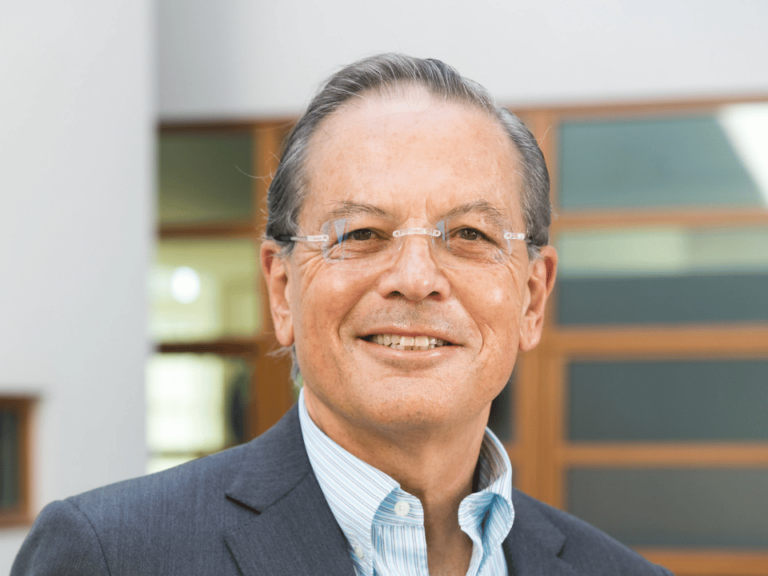
Fred R. Hirsch, MD, PhD
Executive director, Center for Thoracic Oncology, Mount Sinai Cancer, Mount Sinai Health System; Professor of medicine and pathology, Icahn School of Medicine; Joe Lowe and Louis Price Professor of Medicine, Associate director, Tisch Cancer Institute
Table of Contents

YOU MAY BE INTERESTED IN

A year ago, when he was sworn in as director of the National Cancer Institute, Anthony G. Letai set a goal: Reassure cancer researchers that the institute will keep a steady course aimed at finding treatments for cancer.
Michael R. Caputo, a cancer survivor and a Republican political operative with a wide-ranging resume, was named to the President’s Cancer Panel, a board formed under the National Cancer Act to monitor the National Cancer Program and report to the president about “barriers to progress in reducing the burden of cancer.”
For over two decades, the ASCO Genitourinary Cancers Symposiumhas stood as the premier global event that has helped advance cancer science and transform care. The 2027 Symposium will continue this legacy from Feb. 11–13 in San Francisco by bringing together the largest international audience in GU oncology to help define tomorrow’s standards of care. 
Fred R. Hirsch, MD, PhD
Executive director, Center for Thoracic Oncology, Mount Sinai Cancer, Mount Sinai Health System; Professor of medicine and pathology, Icahn School of Medicine; Joe Lowe and Louis Price Professor of Medicine, Associate director, Tisch Cancer Institute

Never miss an issue!

Get alerts for our award-winning coverage in your inbox.

Login