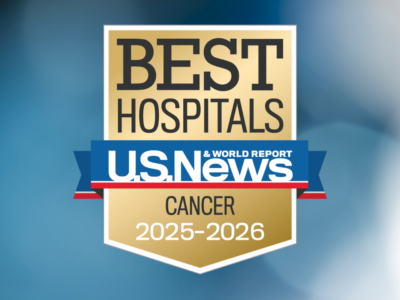
Sara Willa Ernst is a reporter with The Cancer Letter. She joined the publication in 2025.
Before joining The Cancer Letter, Sara reported on health in Texas both as a freelance journalist based in Austin and the health reporter at the NPR station in Houston, where she produced two investigative podcasts "Hot Stops" and "Below the Waterlines." The latter won her two regional Murrow awards in 2023.
Her bylines have appeared in publications such as NPR, The Texas Standard, WHYY's The Pulse, WBUR's Here and Now, Austin Free Press and the Austin Chronicle.
She graduated from Vanderbilt University with a bachelor's degree in Communications Studies in 2018.
Cancer Policy
Yet another U.S. Preventative Services Task Force meeting is postponed—the third missed meeting since the start of the second Trump administration.

News Analysis
If you listen to GRAIL executives discuss the results of the long-awaited trial of the company’s multicancer detection test, you might be led to conclude that the company’s pivotal NHS-Galleri study had an overwhelmingly positive result.
Conversation with The Cancer Letter
Undeterred by the negative topline result of its pivotal trial of Galleri, a multicancer detection test, the test’s sponsor, GRAIL, said it’s forging ahead with its plan to get FDA approval and reimbursement from CMS and private insurers.

Conversation with The Cancer Letter
Philip E. Castle, director of the NCI Division of Cancer Prevention, said he was disappointed to hear that GRAIL’s NHS-Galleri trial did not meet its primary endpoint of reduction in late-stage cancers.

Cancer Policy
Mount Sinai hospital has formed a committee to investigate the ties between Jeffrey Epstein and Eva Dubin a Swedish physician and philanthropist who founded the Dubin Breast Center at the Tisch Cancer Institute whose name is featured prominently in the Epstein files.
Cancer Policy
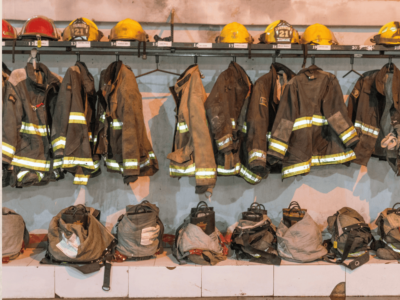
Rep. Josh Gottheimer (D-NJ) introduced the FIRE Cancer Act on Feb. 27. The piece of legislation seeks to increase grant dollars available to local fire departments, specifically earmarked for cancer prevention, “including providing multi-cancer early detection testing or other forms of preventative tests.”