As Kentucky’s only National Cancer Institute-designated Comprehensive Cancer Center, the University of Kentucky Markey Cancer Center has a responsibility that extends far beyond its home in central Kentucky.
For two decades, the Markey Cancer Center Affiliate Network (MCCAN) has worked with community hospitals across Kentucky to improve local oncology programs, expand access to specialized cancer care, and ensure patients can receive as much treatment as possible close to home.
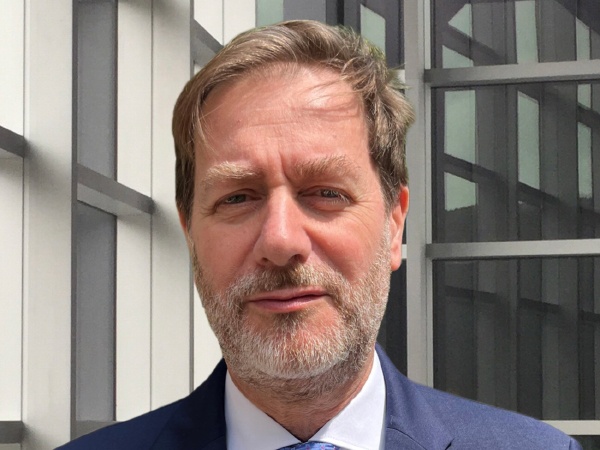
Today, the network serves as a model for how an academic cancer center can partner with community hospitals without displacing local care. Under the leadership of Tim Mullett, M.D., FACS, MCCAN has focused on raising quality standards, increasing access to clinical expertise, and strengthening trust between Markey and local programs.
What was the original vision behind MCCAN?
Mullett: The network began in 2006 with three hospitals and the goal to strengthen connections between Markey and community cancer programs. As Markey grew and eventually achieved NCI designation, it became clear that our responsibility wasn’t limited to the patients who came to Lexington.
For years, we considered our primary catchment area to be the region of the country with the highest cancer burden: Appalachian Kentucky. The NCI challenged us to think beyond a single region. As Kentucky’s only NCI-designated cancer center, we have a responsibility to improve cancer care across the entire state.
That shifted the focus of the network from outreach alone to something bigger: helping community programs raise the quality of care available locally.
How has the network evolved over the past 20 years?
Mullett: One of the most important changes was establishing quality as the foundation of every partnership.
We set an expectation that affiliate programs pursue Commission on Cancer accreditation and meet nationally recognized standards. That gave community oncology programs a framework for delivering high-quality cancer care and created a shared commitment to continuous improvement.
We’ve seen those efforts improve patient outcomes and satisfaction while creating opportunities to bring newer treatments into community settings.
The network has grown from the original three sites to 20 sites today but the mission remains the same: improving cancer care for Kentuckians wherever they live.
Some rural communities worry that partnering with a large academic medical center means losing patients or local control. How do you address those concerns?
Mullett: We’ve heard that concern for years, and we’ve built the network specifically to address it. Our goal is not to take patients away from their communities, it’s to help them care for more of their own patients.
I often describe our approach as a hybrid model of cancer care. Patients may come to Markey for highly specialized services, such as complex cancer surgery, cellular therapies, bone marrow transplantation, clinical trials, or other advanced treatments. But much of their ongoing care, including chemotherapy, immunotherapy, and radiation therapy, can often be provided close to home.
We’re referring more than 1,000 patients annually to Markey for collaborative care, but we’re also intentionally helping those patients return to their local oncology teams whenever possible. That’s better for patients and families and ultimately strengthens local cancer programs.
Cancer treatment can be physically, emotionally, and financially demanding: travel time and costs, missed work, caregiver challenges. These things can affect adherence to care.
Keeping patients connected to their local support systems matters. If we can safely deliver high-quality care in a patient’s home community, that’s often the best option for that patient.
What other value does the network provide to community oncology programs?
Mullett: The network is built around collaboration and shared expertise.
We have dedicated education and quality teams that work with affiliates to support accreditation efforts, share best practices, and provide access to the latest developments in oncology care.
That raises confidence and visibility in local cancer programs. Most importantly, it builds trust within the community. When patients know their local program is connected to an NCI-designated cancer center while still remaining rooted in their community, that’s powerful.
What role does the network play in reducing Kentucky’s cancer burden?
Mullett: We cannot address Kentucky’s high cancer burden from a single campus. Instead, we strengthen local programs, improve quality, expand access to specialized expertise, and keep patients engaged in care.
For us, success isn’t measured by how many patients come to Lexington. Success is measured by whether Kentuckians, regardless of where they live, have access to the highest-quality cancer care possible.