In a new article on the Cancer History Project, the American Cancer Society profiles three ACS-funded Nobel laureates:

2024 Nobel Prize
Chemistry

2024 Nobel Prize
Physiology or Medicine
2024 Nobel Prize
Physiology or Medicine
They join a cohort of 50 other ACS-funded Nobel laureates.
“The American Cancer Society’s legacy, with 53 Nobel Prize-winning researchers, is a testament to the relentless pursuit of breakthroughs that save lives,” said William Dahut, chief scientific officer at ACS.
“Their work has brought us closer to a world where cancer is no longer a threat, but merely a chapter in history.”

The American Cancer Society Adds to Its Nobel-Winning Legacy
By American Cancer Society, Jan. 6, 2025
In 2024, the American Cancer Society added three more Nobel Prize winners, bringing the total to an impressive 53 and highlighting its lasting impact on cancer research.
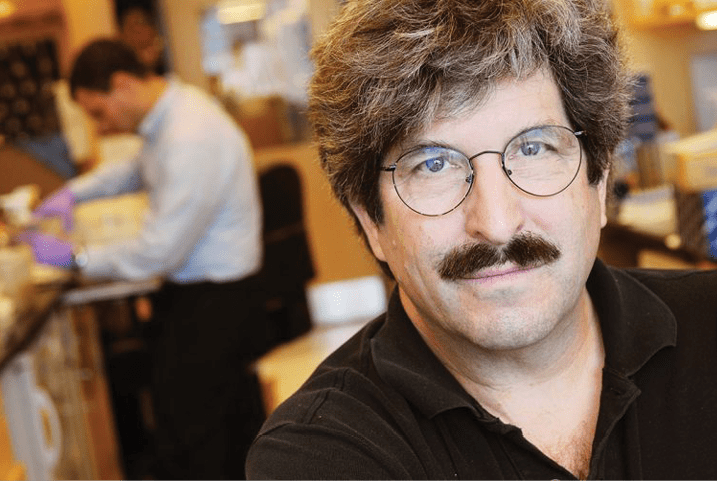
This year, Dr. David Baker was awarded the 2024 Nobel Prize in Chemistry for his groundbreaking contributions to computational protein design. Baker, who was funded by ACS, joins fellow ACS-funded scientists Dr. Victor Ambros and Dr. Gary Ruvkun, recipients of the 2024 Nobel Prize in Physiology or Medicine. Ambros and Ruvkun were recognized for their pioneering discovery of microRNA, a molecule crucial to regulating cellular functions in the body.
Ambros received funding from ACS for 10 years from 1980 to 1990, while Baker and Ruvkun were supported during the early to mid-1990s.
“Truly transformational ideas often occur early in one’s career and often meet resistance from traditional funding. Providing ACS support for truly innovative discoveries has dramatically improved the lives of patients and their families,” said Dr. William Dahut, chief scientific officer at American Cancer Society.
Read more on the Cancer History Project.
This column features the latest posts to the Cancer History Project by our growing list of contributors.
The Cancer History Project is a free, web-based, collaborative resource intended to mark the 50th anniversary of the National Cancer Act and designed to continue in perpetuity. The objective is to assemble a robust collection of historical documents and make them freely available.
Access to the Cancer History Project is open to the public at CancerHistoryProject.com. You can also follow us on Twitter at @CancerHistProj, or follow our podcast.
Is your institution a contributor to the Cancer History Project? Eligible institutions include cancer centers, advocacy groups, professional societies, pharmaceutical companies, and key organizations in oncology.