Cancer progress is not reaching everyone. Native Nations must be part of the solution.

Share on facebook
Share on twitter
Share on linkedin
Share on email
Share on print

In 1971, the National Cancer Act set the United States on a path to confront one of its most formidable public health challenges. More than five decades later, the progress is undeniable. The latest 2026 report from the American Cancer Society shows continued declines in overall cancer mortality and improvements in survival for many major cancer types. Recent advances in early detection, prevention, and treatment are saving lives.

To access this subscriber-only content please log in or subscribe.

If your institution has a site license, log in with IP-login or register for a sponsored account.*
*Not all site licenses are enrolled in sponsored accounts.

Login Subscribe
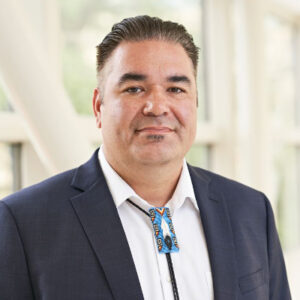
Rodney Haring, PhD, MSW
Inaugural chair, Department of Indigenous Cancer Health, Co-Director, Health Communications Shared Resource, Associate professor of oncology, Roswell Park Comprehensive Cancer Center; Citizen, Seneca Nation (Beaver Clan)
Table of Contents

YOU MAY BE INTERESTED IN

For decades, we have faced a central challenge in colorectal cancer screening. One in three eligible Americans—over 50 million people—remain unscreened despite established methods like colonoscopy or stool-based tests existing for decades. This gap persists even though early detection saves lives, and even as colorectal cancer is now the number one cancer killer for Americans under 50.
Rodney Haring, PhD, MSW
Inaugural chair, Department of Indigenous Cancer Health, Co-Director, Health Communications Shared Resource, Associate professor of oncology, Roswell Park Comprehensive Cancer Center; Citizen, Seneca Nation (Beaver Clan)

Never miss an issue!

Get alerts for our award-winning coverage in your inbox.

Login