2012: Yale School of Medicine book celebrates a 200 year legacy

- David S. Fischer: The Clinical Cancer Program at Yale
By Yale Cancer Center | Dec. 2, 2021
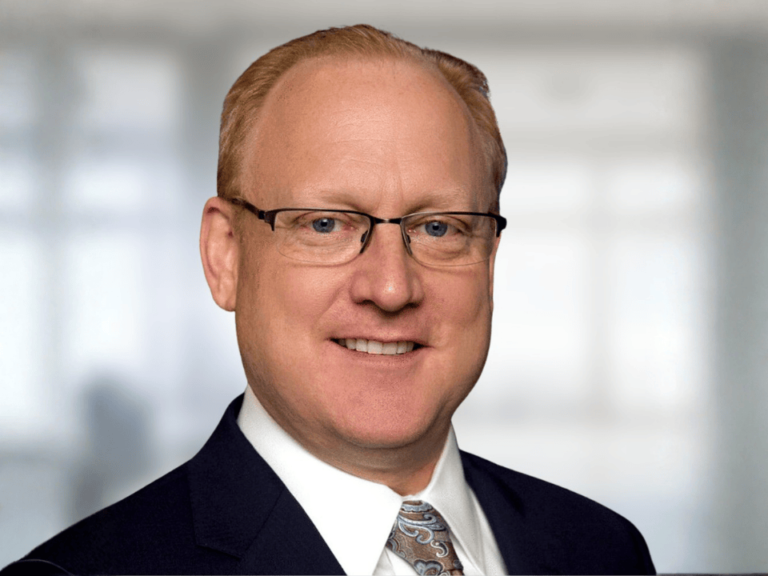
David S. Fischer, clinical professor of medicine (oncology) at Yale School of Medicine and attending physician at Smilow Cancer Hospital at Yale, authored this history of the Clinical Cancer Program at Yale in 2012. He writes:
Some colleagues have asked me to review the clinical cancer program at Yale since I have been involved in it for more than 48 years. This is an attempt to do that based on what I have read of the early years and what I know from personal experience. The first five years of that experience was in the department of pharmacology where I observed and participated in both basic science and clinical studies. The remaining experience has been in the clinical practice of oncology and hematology, most of it in the community but interacting with the full-time faculty, and since 1993 as a volunteer, consultant and as an administrator with an office (starting in 1995) in the Yale Cancer Center (YCC).
I have limited knowledge of the extensive and impressive basic science studies done here, which are documented in the thousands of publications available in the literature but I will refer to them when they interact with the story that I know from some personal experience. It is therefore both a history and (after 1962) a personal memoir, subject to my bias and an overemphasis on events in which I participated and to the neglect of important events of which I have no personal knowledge.
In the course of writing what I had originally hoped would be a brief history, many interesting events came to my attention that I thought might be of interest to readers. This includes some observations on the founding of the Collegiate School that later became Yale University. It also includes some observations on how economic problems impacted its development and almost resulted in the dissolution of the medical school in the 1910-1913 period, after World War I and again after World War II, and the near loss of the National Cancer Institute (NCI) designation as a NCI affiliated Comprehensive Cancer Center (CCC) around the turn of the 21st century. This is one man’s view and a personal memoir.
A collection of books published on the Cancer History Project appears here, available as free digital downloads.
The Cancer History Project is looking for out of print or previously unpublished books, and will work with the rights holders to make the book available. Please contact us with suggestions.
Quote of the week
While much emphasis will be placed on the leaders, as in most histories, I plan to include many who worked here and are less well known so that they not ‘pass and be forgotten like the rest.’
David S. Fischer
Lung cancer
- Lung Cancer in Latin America Revisited: From Panama to Argentina
By ASCO | Dec. 1, 2021 - Developing Early-Phase Drugs for Lung Cancer: A Conquer Cancer YIA Recipient’s Story
By ASCO | Dec. 1, 2021 - Emerging Reasons for Optimism in Lung Cancer: A Conversation With Paul A. Bunn, Jr, MD, FASCO
By ASCO | Nov. 24, 2021
Recent contributions
- John W. Yarbro’s five “memos for the record” provide a detailed overview of the NCI Cancer Centers Program in 1975
By Cancer History Project | Dec. 3, 2021 - 45 years as a Roswell Park patient: Stacey’s story
By Roswell Park Comprehensive Cancer Center | Nov. 30, 2021
This column features the latest posts to the Cancer History Project by our growing list of contributors.
The Cancer History Project is a free, web-based, collaborative resource intended to mark the 50th anniversary of the National Cancer Act and designed to continue in perpetuity. The objective is to assemble a robust collection of historical documents and make them freely available.
Access to the Cancer History Project is open to the public at CancerHistoryProject.com. You can also follow us on Twitter at @CancerHistProj.
Is your institution a contributor to the Cancer History Project? Eligible institutions include cancer centers, advocacy groups, professional societies, pharmaceutical companies, and key organizations in oncology.
To apply to become a contributor, please contact admin@cancerhistoryproject.com.