NCI funds a $3.7M effort to develop AI that predicts breast cancer risk while addressing health disparities

Share on facebook
Share on twitter
Share on linkedin
Share on email
Share on print

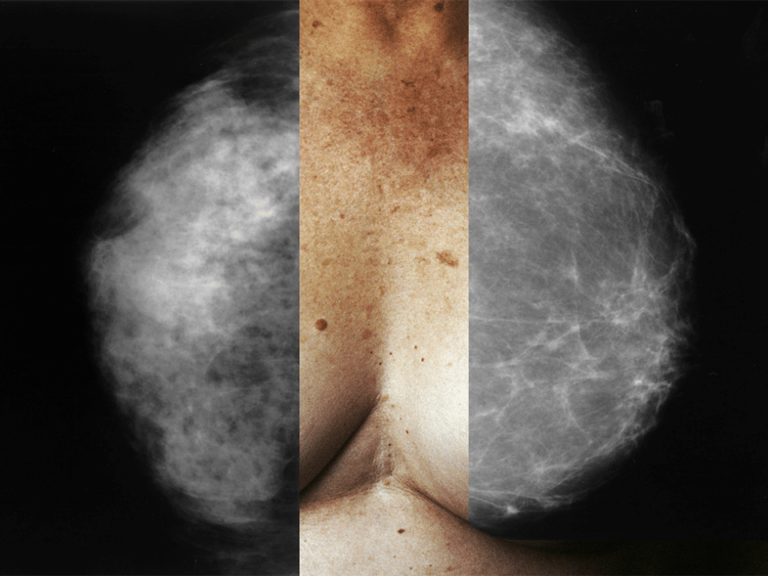
Researchers at Indiana University School of Medicine, Mayo Clinic, Washington University in St. Louis, the University of Pennsylvania, Columbia University, and Intel received a five-year, $3.7 million NCI grant for a multi-site study developing a privacy-preserving artificial intelligence approach—called federated learning—which aims to improve breast cancer risk prediction and reduce health inequities in cancer prevention care. 

To access this subscriber-only content please log in or subscribe.

If your institution has a site license, log in with IP-login or register for a sponsored account.*
*Not all site licenses are enrolled in sponsored accounts.

Login Subscribe

Table of Contents

YOU MAY BE INTERESTED IN

Artificial intelligence is rapidly transforming biomedical research and healthcare. Large language models, foundation models, and AI agents are increasingly being deployed to assist with data interpretation, literature review, clinical decision support, and translational research. 
For people at high risk of developing breast cancer, yearly mammograms may not be enough to detect tumors early. To make earlier diagnosis easier, a Massachusetts Institute of Technology team has developed portable detectors based on ultrasound, which could be used much more frequently. The team reports that they have improved the resolution of the images produced by their system, making it easier to spot potential tumors, as well as cysts and microcalcifications. 

Never miss an issue!

Get alerts for our award-winning coverage in your inbox.

Login