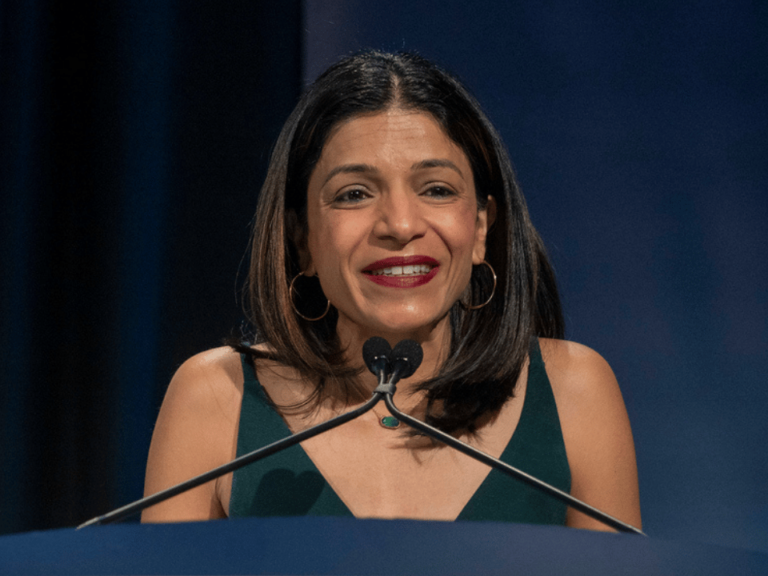
University of Miami’s Jashodeep Datta awarded $800K DoD grant to study pancreatic cancer

Share on facebook
Share on twitter
Share on linkedin
Share on email
Share on print

Jashodeep Datta, a researcher with Sylvester Comprehensive Cancer Center at the University of Miami Miller School of Medicine, has been awarded a grant from the U.S. Department of Defense’s Congressionally Directed Medical Research Program to target chemotherapy resistance in pancreatic cancer. The $800,000, three-year grant is the first DoD award to Sylvester to study pancreatic cancer.

To access this subscriber-only content please log in or subscribe.

If your institution has a site license, log in with IP-login or register for a sponsored account.*
*Not all site licenses are enrolled in sponsored accounts.

Login Subscribe

Table of Contents

YOU MAY BE INTERESTED IN

The long-awaited results from the RASolute 302 trial—a phase III clinical trial evaluating daraxonrasib, a RAS inhibitor, for the treatment of patients with previously treated, metastatic pancreatic ductal adenocarcinoma—have been read out. 
Patients with pancreatic cancer who received the experimental drug elraglusib, alongside standard chemotherapy, were twice as likely to be alive after one year of treatment, compared to those receiving chemotherapy alone, according to the results of a randomized phase II clinical trial conducted by researchers at Northwestern University. The drug also reduced the risk of death by 38%.
Many therapeutic molecules used in cancer treatments are highly toxic, often harming healthy tissues and causing significant side effects. This creates a critical need for strategies that localize their toxic activity to tumors. What if cancer drugs could stay dormant until they reach cancer cells? A study by Syracuse University researchers demonstrates a promising chemistry-based strategy that could do just that.

Never miss an issue!

Get alerts for our award-winning coverage in your inbox.

Login