Five studies from the virtual scientific program of the 2020 American Society of Clinical Oncology Annual Meeting were highlighted in a press briefing and released May 13:
Greater Decline in Cancer-Related Deaths Seen in Medicaid Expansion States in First Nationwide Study: States that adopted Medicaid expansion following passage of the Affordable Care Act of 2010 saw greater decreases in cancer mortality rates than states that did not, according to the first nationwide study of its kind.
Maintenance Therapy With PARP Inhibitor Olaparib Extends Survival By Over 1 Year in Patients With Relapsed Ovarian Cancer and BRCA Mutation: Maintenance therapy with olaparib (Lynparza) extended overall survival by nearly 13 months (12.9) compared with placebo in women with platinum-sensitive relapsed ovarian cancer with BRCA 1 or 2 mutations, in a randomized phase III trial.
Videoconference Intervention Significantly Reduces Anxiety and Distress Among Remote Caregivers of People With Cancer: A videoconferencing intervention significantly reduced levels of anxiety and distress among “distance caregivers” who live more than an hour away from the patients with cancer they support, according to the results of a federally funded study.
Quitting Smoking at Any Point, Even Close to a Lung Cancer Diagnosis, Improves Chances of Survival: People who quit smoking at any time—even less than 2 years before a lung cancer diagnosis—improve their chances of survival after being diagnosed with the disease, according to the results of a large international study.
Integrating Geriatric Assessment and Management Into Cancer Care Improves Quality of Life, Reduces Hospital Admissions for Older Patients: Older people with cancer set to receive anti-cancer therapy had significant improvements in quality of life when comprehensive geriatric assessment and geriatrician-led management was integrated into their care plan.
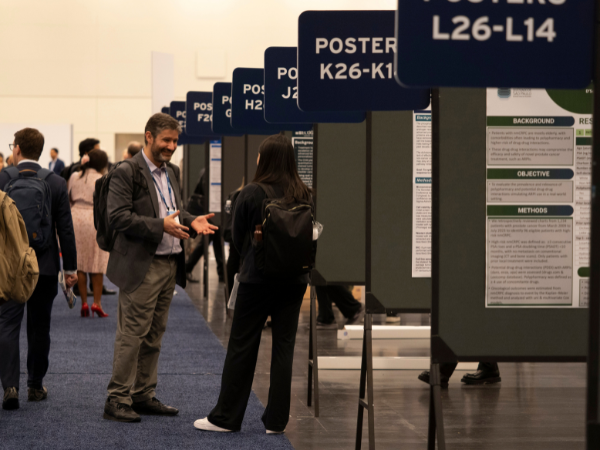
The theme of this year’s Annual Meeting is Unite and Conquer: Accelerating Progress Together. The meeting’s scientific program will be held virtually May 29-31 and provide an engaging lineup of scheduled and on-demand scientific content across a variety of approaches, disciplines, and specialties.
Approximately 2,215 abstracts were accepted for virtual presentation, and more than 3,400 additional abstracts were accepted for online publication. The vast majority of these abstracts have been publicly released and are now available on ASCO’s Meeting Library. Late-Breaking Abstracts, including Plenary abstracts, will be released online on Thursday, May 28, at 5:00 p.m.