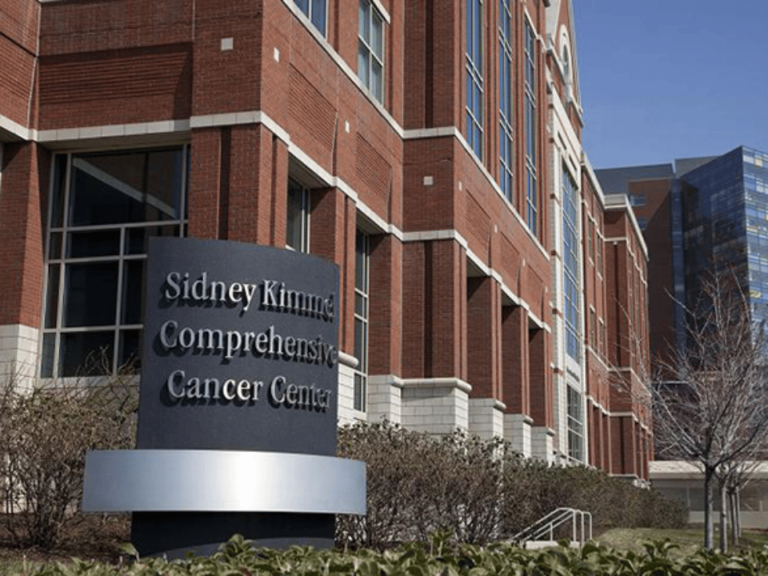
Researchers at the Johns Hopkins Kimmel Cancer Center have identified a genetic syndrome in which unusually long telomeres—the protective caps at the ends of chromosomes—allow immune cells to remain biologically “younger” for longer than normal, predisposing affected individuals to lymphoma and other cancers.
To access this subscriber-only content please log in or subscribe.
If your institution has a site license, log in with IP-login or register for a sponsored account.*
*Not all site licenses are enrolled in sponsored accounts.
Login Subscribe
If your institution has a site license, log in with IP-login or register for a sponsored account.*
*Not all site licenses are enrolled in sponsored accounts.
Login Subscribe