AI tool helps to diagnose and predict severity of lung cancers

Share on facebook
Share on twitter
Share on linkedin
Share on email
Share on print

A computer program based on data from nearly a half-million tissue images and powered by artificial intelligence can accurately diagnose cases of adenocarcinoma, the most common form of lung cancer, a study published June 11 in Nature Communications shows. 

To access this subscriber-only content please log in or subscribe.

If your institution has a site license, log in with IP-login or register for a sponsored account.*
*Not all site licenses are enrolled in sponsored accounts.

Login Subscribe
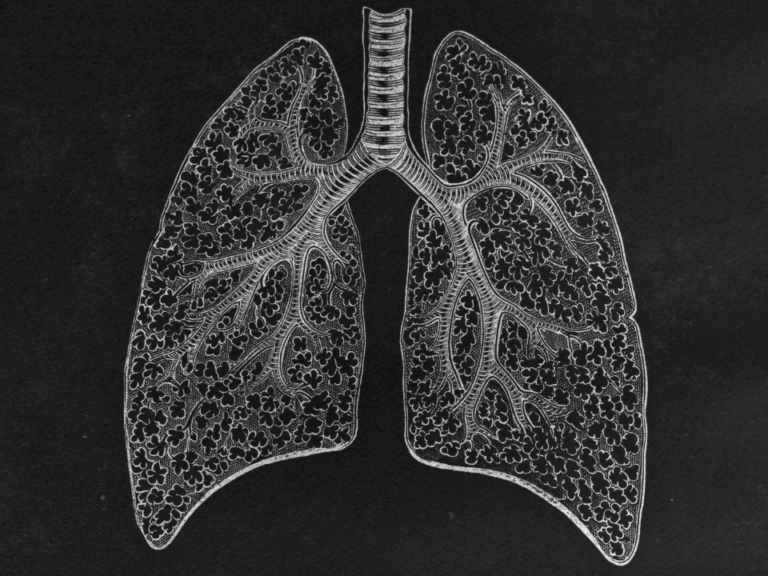
Table of Contents

YOU MAY BE INTERESTED IN

Jason Chiang and Kyung Sung of the Department of Radiological Sciences at the David Geffen School of Medicine at UCLA and the UCLA Health Jonsson Comprehensive Cancer Center have received a $3.2 million, five-year grant from NCI to develop an artificial intelligence-enhanced imaging platform designed to improve yttrium-90 (Y90) radioembolization planning for patients with liver cancer.
A head-to-head comparison of five leading treatments for anaplastic lymphoma kinase-positive non-small cell lung cancer could help oncologists fine-tune first-line TKI selection beyond what’s been seen in clinical trials alone, according to a study conducted by a team of researchers from the Keck School of Medicine of USC, the USC Alfred E. Mann School of Pharmacy and Pharmaceutical Sciences and the USC Shaeffer Center for Health Policy & Economics have conducted.

Never miss an issue!

Get alerts for our award-winning coverage in your inbox.

Login