HER2-CAR T-cell therapy induces antitumor activity in high-risk sarcomas in phase I trial

Share on facebook
Share on twitter
Share on linkedin
Share on email
Share on print

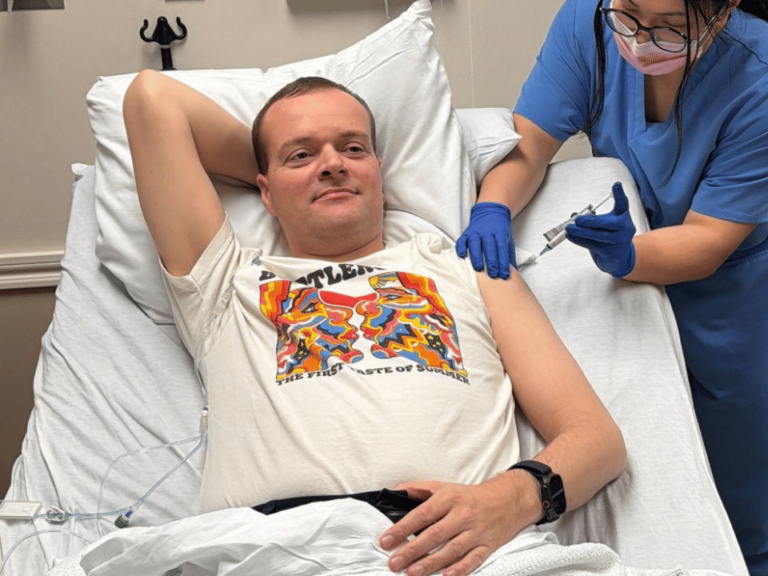
Researchers at Texas Children’s Cancer Center and the Center for Cell and Gene Therapy at Baylor College of Medicine, Texas Children’s Hospital, and Houston Methodist published results of a phase I clinical trial of a novel immunotherapy for high-risk sarcomas on April 24 in Nature Cancer.

To access this subscriber-only content please log in or subscribe.

If your institution has a site license, log in with IP-login or register for a sponsored account.*
*Not all site licenses are enrolled in sponsored accounts.

Login Subscribe
YOU MAY BE INTERESTED IN

FDA granted full approval of Tecelra (afamitresgene autoleucel) and expanded its indication to include pediatric patients 12 years of age and older with unresectable or metastatic synovial sarcoma who have received prior chemotherapy, are HLA-A*02:01P, -A*02:02P, -A*02:03P, or -A*02:06P positive and whose tumor expresses the MAGE-A4 antigen as determined by FDA-approved or cleared companion diagnostic devices. 
Scientists at the UCLA Health Jonsson Comprehensive Cancer Center have developed a cytokine-armored CAR T-cell therapy that helps the immune system better attack aggressive brain tumors in mice while reducing dangerous side effects that have long limited immune-based treatments for glioblastoma, one of the deadliest and most treatment-resistant brain cancers.

Never miss an issue!

Get alerts for our award-winning coverage in your inbox.

Login