New CAR T strategy highly effective against small cell lung cancer in preclinical study

Share on facebook
Share on twitter
Share on linkedin
Share on email
Share on print

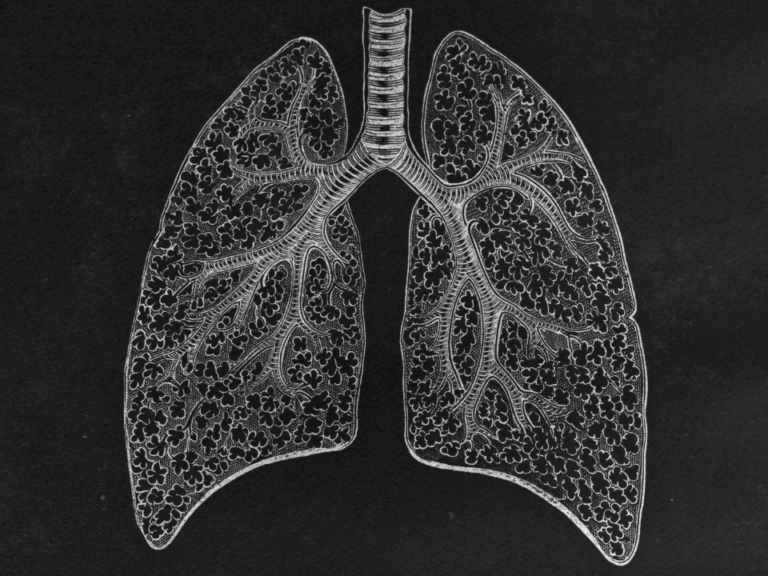
A new approach to chimeric antigen receptor T-cell therapy has shown great promise against small cell lung cancer in a preclinical study. The findings cover new ground in our understanding of how CAR T can be employed against solid-tumor cancers, and provide support for further studies in cancer patients.

To access this subscriber-only content please log in or subscribe.

If your institution has a site license, log in with IP-login or register for a sponsored account.*
*Not all site licenses are enrolled in sponsored accounts.

Login Subscribe
Table of Contents

YOU MAY BE INTERESTED IN

Researchers from City of Hope have developed a “plug-and-play” technology that adds engineered molecules to chimeric antigen receptor T cells after treatment, allowing scientists to better control the cells and redirect them to attack different types of cancer. The preclinical study offers a more flexible way to help CAR T cells keep pace with mutating tumors.
Tagrisso (osimertinib) demonstrated a sustained, clinically meaningful overall survival benefit at eight years compared to placebo in the adjuvant treatment of patients with early-stage (1B, 2, and 3A) epidermal growth factor receptor-mutated non-small cell lung cancer after complete tumor resection with curative intent, according to the updated exploratory results from the ADAURA phase III trial. 

Never miss an issue!

Get alerts for our award-winning coverage in your inbox.

Login