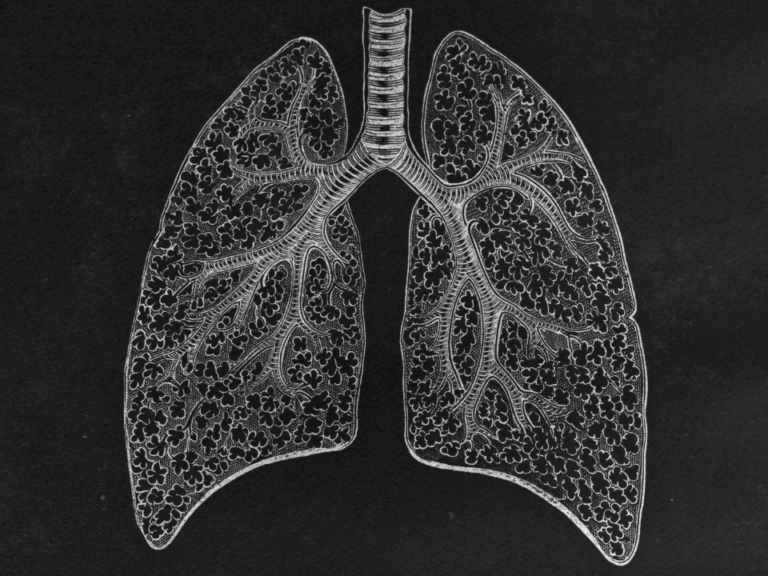
MD Anderson Cancer Center researchers have identified recent developments in effective combination therapies for patients with BRAF V600E mutations, an approach to identify cancer biomarkers in extracellular vesicles, therapeutic strategies for improving treatment responses in non-small cell lung cancer, and a novel combination therapy to overcome treatment resistance in a subset of patients with acute myeloid leukemia.
To access this subscriber-only content please log in or subscribe.
If your institution has a site license, log in with IP-login or register for a sponsored account.*
*Not all site licenses are enrolled in sponsored accounts.
Login Subscribe
If your institution has a site license, log in with IP-login or register for a sponsored account.*
*Not all site licenses are enrolled in sponsored accounts.
Login Subscribe