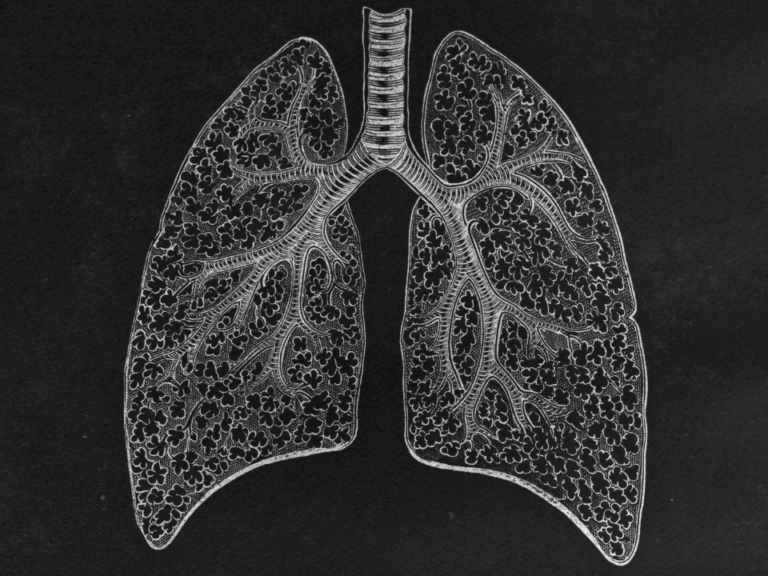
A phase II clinical trial of poziotinib for non-small cell lung cancer with epidermal growth factor receptor exon 20 mutations, led by researchers at The University of Texas MD Anderson Cancer Center, found the drug had significant antitumor activity and the efficacy was highly dependent on the location of the exon 20 loop insertion, which may impact future clinical trials for EGFR exon 20 targeted therapies.
To access this subscriber-only content please log in or subscribe.
If your institution has a site license, log in with IP-login or register for a sponsored account.*
*Not all site licenses are enrolled in sponsored accounts.
Login Subscribe
If your institution has a site license, log in with IP-login or register for a sponsored account.*
*Not all site licenses are enrolled in sponsored accounts.
Login Subscribe