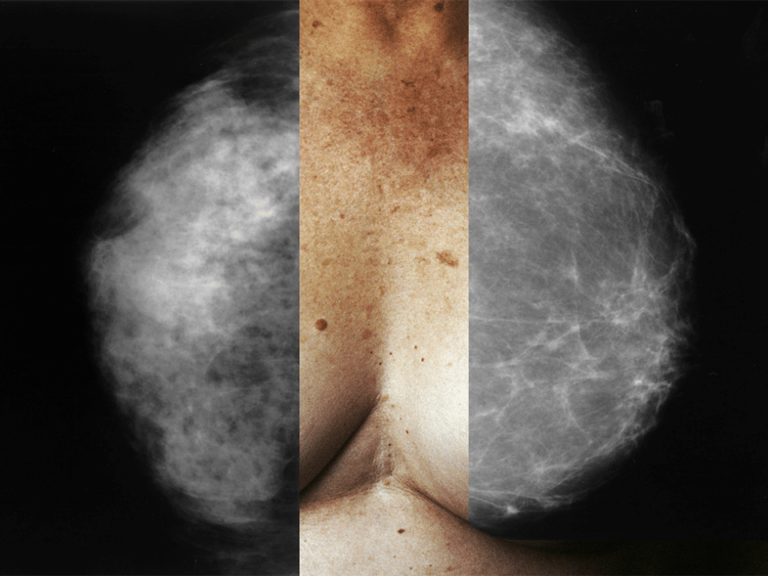
Genentech said the phase III KATHERINE study met its primary endpoint, showing Kadcyla (ado-trastuzumab emtansine) as a single agent significantly reduced the risk of disease recurrence or death (invasive disease-free survival) by 50 percent (HR=0.50, 95% CI 0.39-0.64, p<0.0001) compared to Herceptin (trastuzumab) as an adjuvant treatment in people with HER2-positive early breast cancer who have residual disease (pathological invasive residual disease in the breast and/or axillary nodes) present following neoadjuvant treatment.
To access this subscriber-only content please log in or subscribe.
If your institution has a site license, log in with IP-login or register for a sponsored account.*
*Not all site licenses are enrolled in sponsored accounts.
Login Subscribe
If your institution has a site license, log in with IP-login or register for a sponsored account.*
*Not all site licenses are enrolled in sponsored accounts.
Login Subscribe