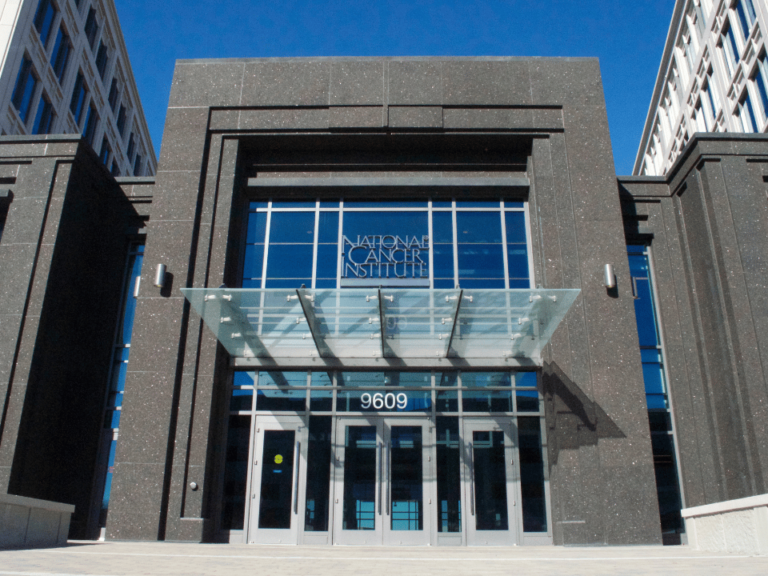
With just days left before the end of September, and with it, the end of fiscal year 2023, NCI officials are preparing for rough times, both in the short term and long term:
The 10-year streak of budgetary increases for the institute since the sequestration cuts in 2013 is likely to end in FY24. Absent an increase in federal funding, the cancer research enterprise is likely to slow down in fiscal year 2024.More ominously yet, the federal government appears to barrel toward shutting down. The House of Representatives has gone into recess Sept. 21, after Republican leaders failed to garner the votes needed to advance an $886 billion defense appropriations bill.
To access this subscriber-only content please log in or subscribe.
If your institution has a site license, log in with IP-login or register for a sponsored account.*
*Not all site licenses are enrolled in sponsored accounts.
Login Subscribe
If your institution has a site license, log in with IP-login or register for a sponsored account.*
*Not all site licenses are enrolled in sponsored accounts.
Login Subscribe