The University of Chicago Medicine received $10 million to develop personalized therapies for hard-to-treat cancers.
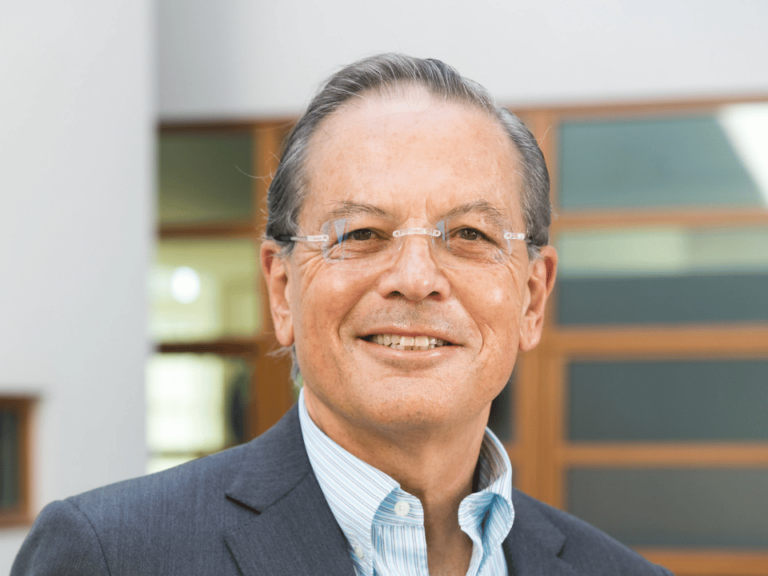
The gift, by the Jonas family, establishes the David and Etta Jonas Center for Cellular Therapy at UChicago Medicine, named for David Jonas and his late wife, Etta.
Researchers at the center will work to improve cellular therapy, CAR T-cell therapy.
Through the David and Etta Jonas Center for Cellular Therapy, researchers at UChicago Medicine will work to improve the therapy’s overall effectiveness and extend its benefits to a roader group of patients, including those with difficult-to-treat cancers.
The Jonas family’s gift will provide infrastructure and funding to advance research initiatives. The Jonas Center will enable:
Recruitment of leaders in T cell biology and cell engineering,
Expand research and clinical trials infrastructure,
Acquisition of specialized technology and equipment necessary to translate discoveries made in the laboratory to the clinic; and
An annual lecture that brings together leaders in cellular therapy and fosters dissemination of the latest innovations in the field.
Researchers at the center will advance work by Hans Schreiber, professor of pathology at the University of Chicago, who has developed a new method for personalized T-cell therapy. By characterizing a patient’s T cell receptors, Schreiber can use personalized medicine to accurately target the tumor’s unique antigens.
Schreiber’s approach has the potential to treat other cancer types including hard-to-treat solid tumors. Through a collaboration with Michael Bishop, professor of medicine and director of the Cellular Therapy Program, and Amittha Wickrema, professor of medicine, researchers at the Jonas Center can accelerate Schreiber’s method and develop the therapy in clinical trials for patients with metastatic solid tumors.
“This gift will allow us to translate these groundbreaking discoveries made in the laboratory into novel cancer therapies, which have the potential to treat not just blood cancers, but also solid tumors,” Kenneth Polonsky, dean and executive vice president for medical affairs at the University of Chicago, said in a statement.
In addition, Bishop and his colleagues seek to predict how a patient will respond to the therapy in advance. This way, a patient’s T cells could be sequenced prior to undergoing treatment. In cases where the patient’s T cells are deemed unfit, the researchers aim to develop interventions to improve their fitness.
This gift represents the single largest donation to UChicago Medicine for cellular therapy research.