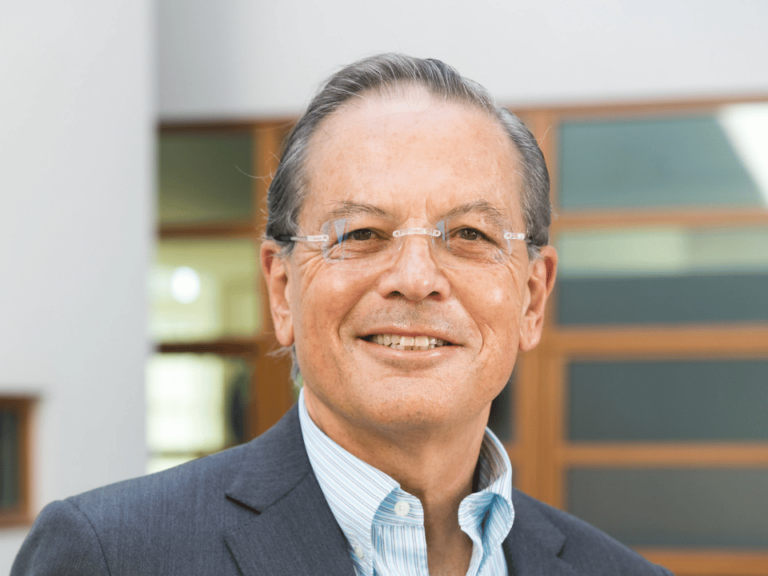
Peter C. Adamson named global development therapeutic area head of oncology and pediatric innovation at Sanofi

Share on facebook
Share on twitter
Share on linkedin
Share on email
Share on print
Peter Adamson

Peter C. Adamson was named global development therapeutic area head of oncology and pediatric innovation at Sanofi. Based in Cambridge, MA, Adamson will lead the global development in cancer, and will work with leaders across therapeutic areas to further pediatric drug development efforts.

Adamson joins Sanofi from the Perelman School of Medicine of the University of Pennsylvania, where he was professor of pediatrics and pharmacology, and held the Alan R. Cohen Endowed Chair in Pediatrics at Children’s Hospital of Philadelphia. For almost 10 years prior to joining Sanofi, Adamson chaired the Children’s Oncology Group, an NCI-supported international consortium of more than 220 centers that conduct clinical-translational research, including large-scale clinical trials, in children and adolescents with cancer.

Adamson is board certified in hematology/oncology and clinical pharmacology. He was appointed by President Obama to the National Cancer Advisory Board, where he continues to serve. Adamson also served on the blue-ribbon panel for the Beau Biden National Cancer Moonshot Initiative.


Table of Contents

YOU MAY BE INTERESTED IN

When our hematological malignancy testing pilot project began in Eldoret, Kenya, there seemed to be a mismatch in relation to progress in healthcare. The region, like much of sub-Saharan Africa, had been focusing on combatting infectious diseases such as HIV and malaria—which was much-needed—yet cancer care was under-resourced. 
Artificial intelligence is rapidly transforming biomedical research and healthcare. Large language models, foundation models, and AI agents are increasingly being deployed to assist with data interpretation, literature review, clinical decision support, and translational research. 
In modern oncology, important insights from clinical trials often emerge years after initial publication. As new therapies extend survival and transition more patients into long-term remissions, clinicians and researchers are increasingly looking beyond initial response rates to understand durability, long-term safety, and even the possibility of a cure. 

Never miss an issue!

Get alerts for our award-winning coverage in your inbox.

Login