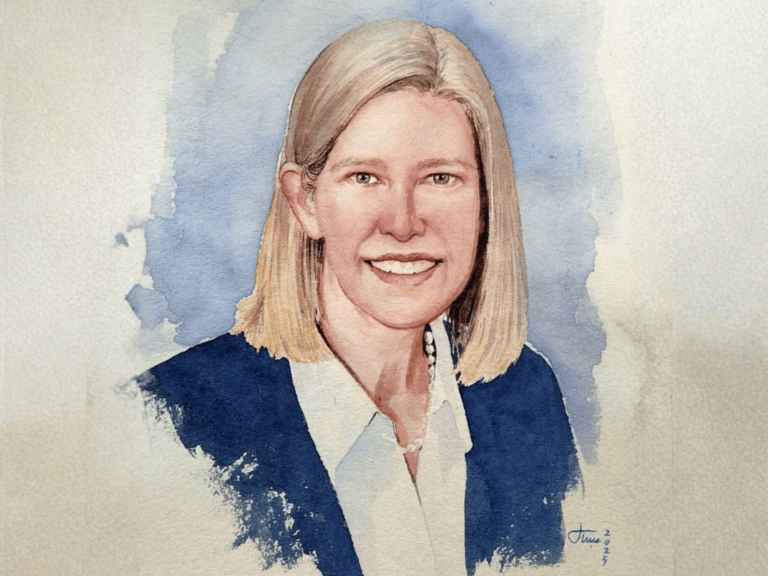
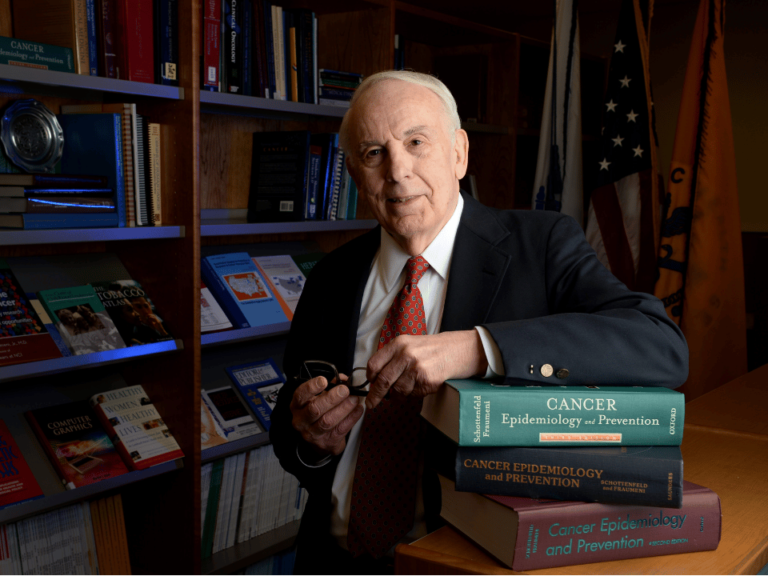
Some lives leave their mark not only on the people who loved them, but also on the very places where others come to seek hope. Karen Haight Huntsman’s was such a life.
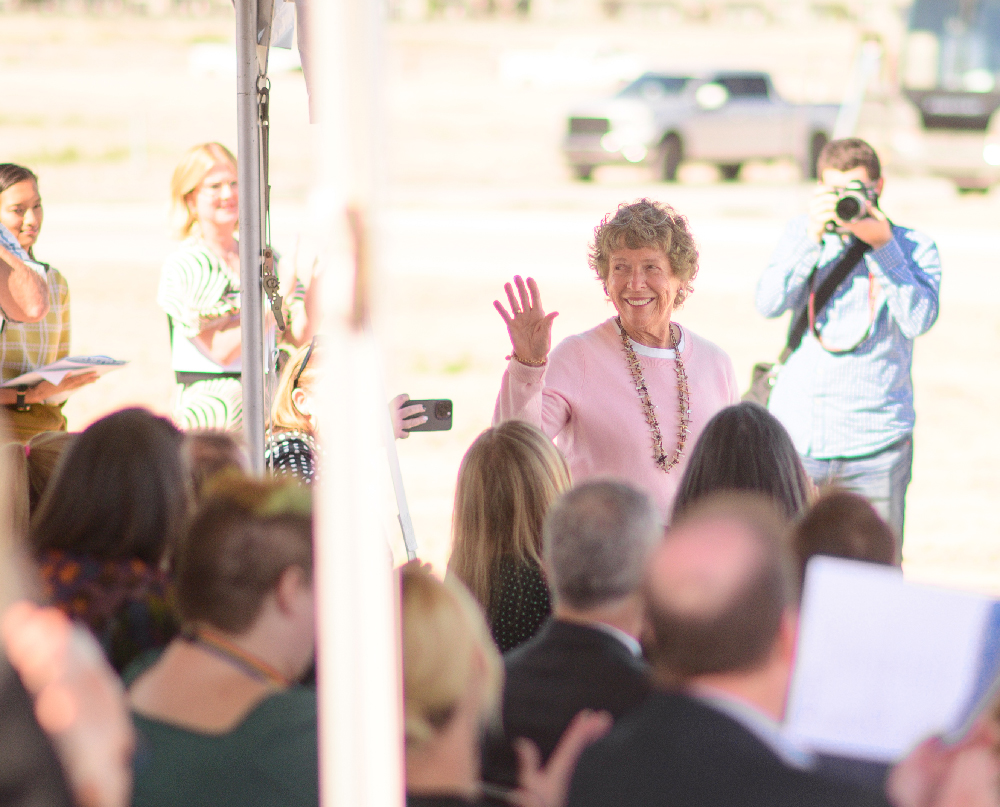
Photo credit for all photos: Huntsman Cancer Institute
Karen died on June 1. She was 88.
The grace, beauty, and compassion that define Huntsman Cancer Institute at the University of Utah did not arrive there by chance. They were shaped, patiently and purposefully, by a woman whose compassion helped change what cancer care could feel like—and what it could become—for families in Utah and across the world. Much has been written about the extraordinary generosity of the Jon M. and Karen Huntsman family. But generosity alone does not explain why this institution looks, feels, and functions the way it does.
Karen helped define a model for what a great institution should be—one that refuses to separate science from humanity, healing from beauty, or discovery from care.
Alongside her husband, Jon M. Huntsman Sr., she helped build a place of hope for people facing the most challenging disease known to mankind, and with it, an enduring philanthropic foundation to provide critical fuel to advance research discoveries and ensure the latest medical innovations were available to patients in her community.
Their generosity and the intention with which they shaped it will now transcend time: The next generations of Huntsmans stand steadfastly by our side in commitment to eradicate some of the most challenging diseases of our time: Extraordinary commitments to improve care for people facing cancer and, through our neighboring Huntsman Mental Health Institute, mental health challenges as well.
Karen helped define a model for what a great institution should be—one that refuses to separate science from humanity, healing from beauty, or discovery from care.
From its earliest days, Huntsman Cancer Institute set out to be different. Jon and Karen envisioned a cancer center where patients could quite literally run into scientists studying their disease, where clinicians and researchers crossed paths daily, and where discovery and care informed one another in real time. This “meeting of the minds” was not a metaphor—it was a design principle.
Karen understood that proximity matters. When scientists see patients, discovery gains urgency. When patients encounter research, hope becomes tangible. The physical layout of Huntsman Cancer Institute—its shared corridors, integrated spaces, skybridges connecting research and care buildings, eateries that attract patients, students, physicians, and researchers—reflects that belief. It is one of the reasons this institution has been able to translate scientific insight into patient impact with uncommon speed.
Karen often spoke about why this mattered to her. Reflecting on the adversity that shaped their family’s commitment to cancer, she said, “Sometimes, in our lives, we have adversity that hits us that we’re not ready for, and it maybe changes the way we view the world and where we put our focus.”
That clarity of focus—born of personal trials, deep faith, and profound love for family—became the North Star for everything that followed: The founding of Huntsman Cancer Institute.
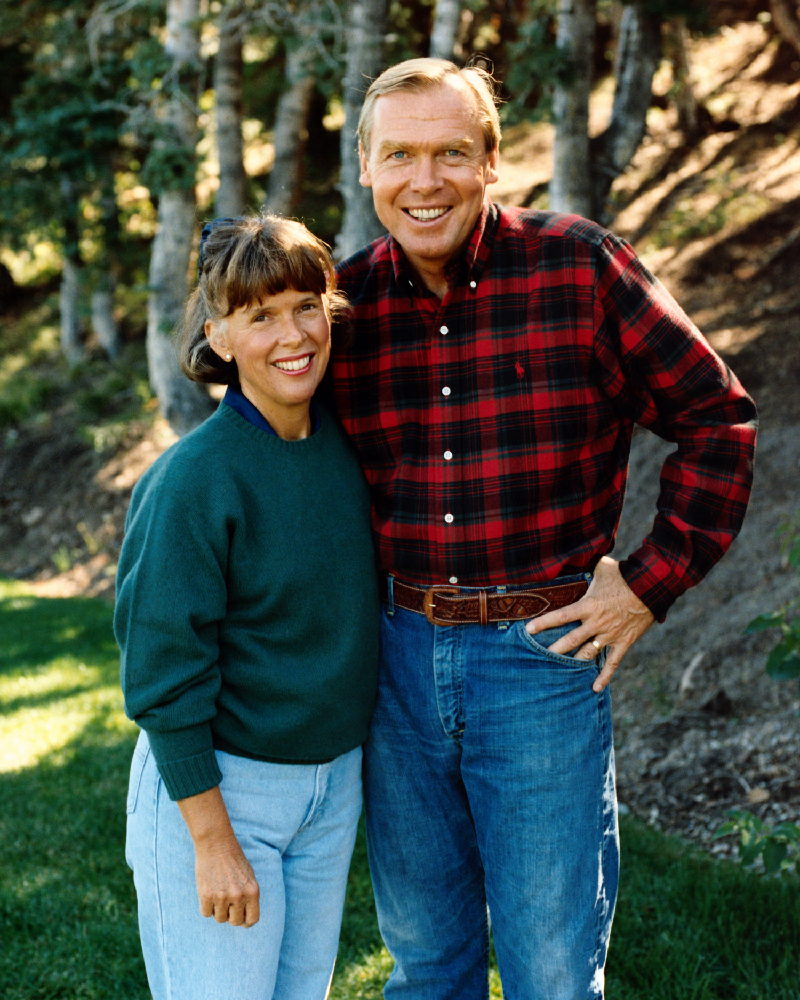
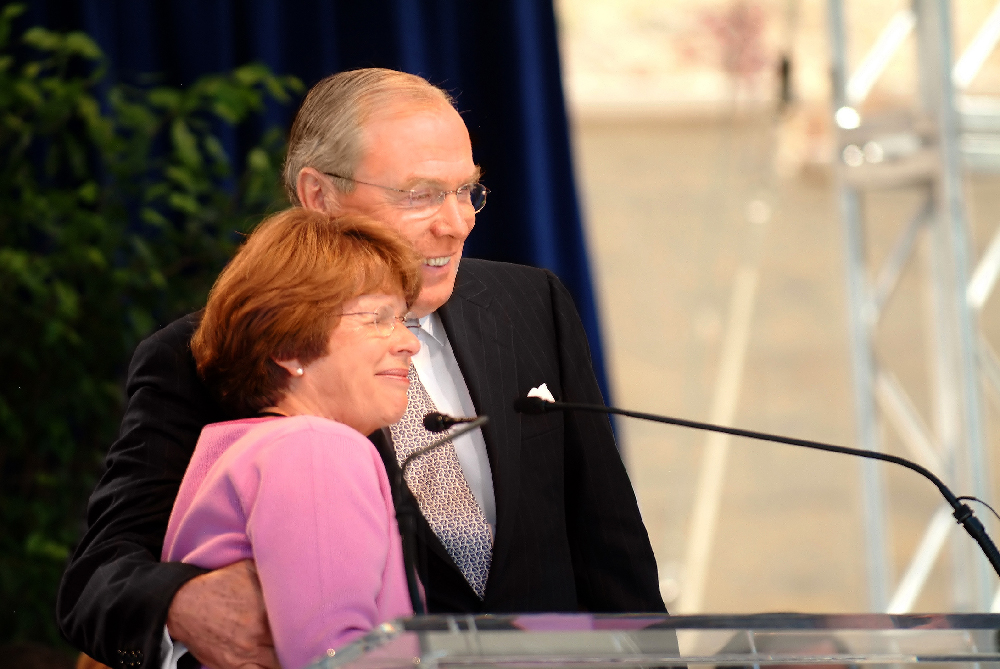
The results are visible today. Huntsman Cancer Institute is the National Cancer Institute–designated Comprehensive Cancer Center of the Mountain West. Our researchers have identified more inherited cancer genes than any other cancer center in the world. Our faculty lead hundreds of clinical trials, bringing innovation to patients in a largely rural and frontier region—one where our major focus is in meeting the challenge of providing cancer prevention and care to patients who live far from a major medical center.
These accomplishments are rooted in Karen’s influence.
Karen believed that scientific excellence and compassionate care were inseparable. She understood that discovery flourishes best in an environment that honors the full experience of illness—not just the biology of disease. That belief shaped Huntsman Cancer Institute as profoundly as any research investment.
When the first phase of the hospital was under construction, Karen and Jon worked side by side with the contractor to relentlessly evaluate and improve the patient room layouts. A life-size model patient room was constructed, and working with clinical teams, the Huntsman Cancer Institute co-founders scrutinized every detail.
Nowhere is this more evident than in the healing environment she helped create. Karen paid attention to details others might overlook. When the first phase of the hospital was under construction, Karen and Jon worked side by side with the contractor to relentlessly evaluate and improve the patient room layouts.
A life-size model patient room was constructed, and working with clinical teams, the Huntsman Cancer Institute co-founders scrutinized every detail. These close evaluations resulted in the presence of comfortable fold-out furniture so loved ones can remain at a patient’s side in the hospital; touches like hardwood accents and tiled bathroom floors, and museum quality art integrated throughout the hospital. She ensured that the patient’s experience was as intentional as the patient’s care.
She believed deeply that the environment itself could be therapeutic. As she once said, “People who come here are sick or they wouldn’t be here. You want to embrace them with all the beauty you can, so they can take their minds off their troubles.”
That conviction is reflected throughout Huntsman Cancer Institute—from natural light and open spaces to the art that lines our walls.
Karen was especially instrumental in shaping the institute’s art collection. She initiated the acquisition of fine art from her personal collection and sought additional works to create what she described as “an environment as healing as the medicine.” In our newest expansion, the Kathryn F. Kirk Center for Comprehensive Cancer Care and Women’s Cancers, she personally oversaw the placement of modern and contemporary American Indian works from her personal collection.
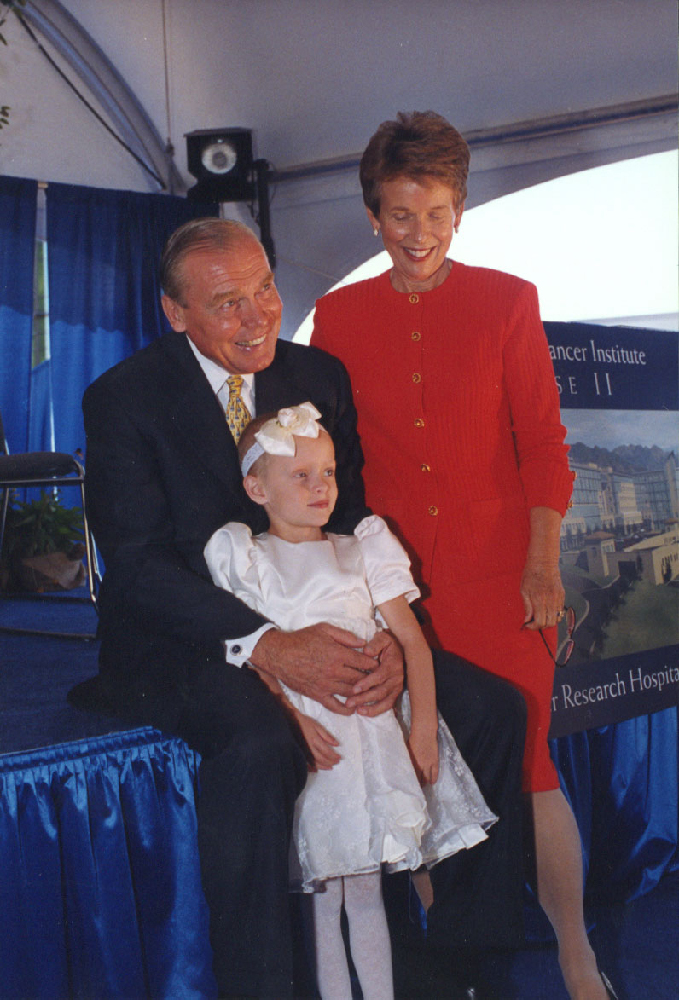
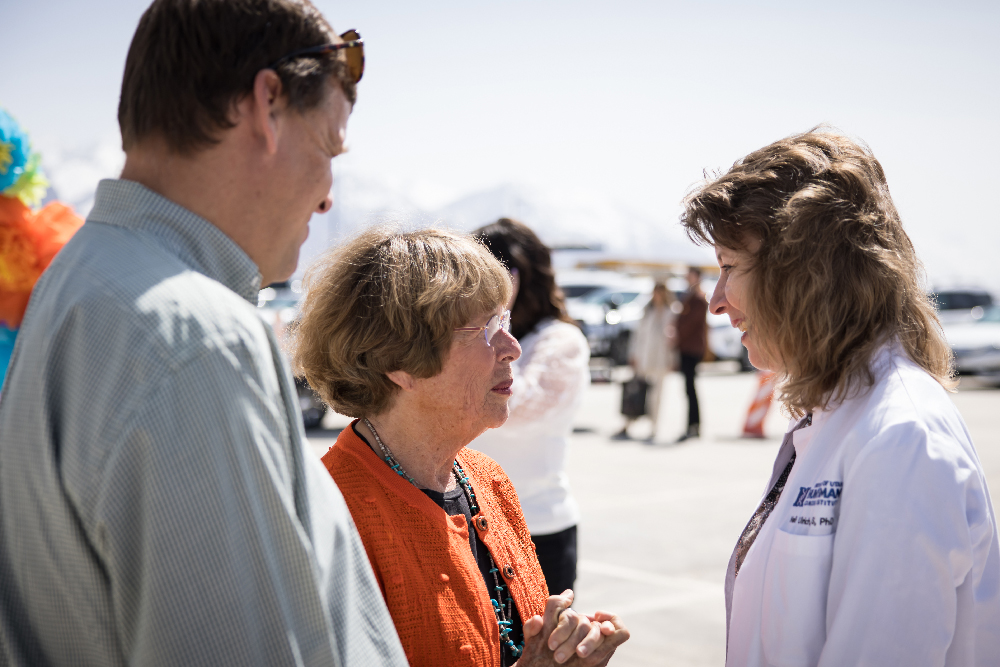
Karen understood that these pieces are not decorative afterthoughts, but rather expressions of respect for patients and their families at their most vulnerable moments.
Karen’s influence extended well beyond physical space. She helped shape a culture that expects collaboration, humility, and shared purpose. She understood that ending cancer would require bold science alongside a community united around patients.
That commitment did not waver after her husband Jon’s death in 2018. Karen remained an enduring advocate for the institution they built together, continuing to engage deeply with its mission and its people. In recent years, she also experienced cancer herself. It only deepened her conviction that patients must be met with compassion, clarity, and hope.
Hope, for Karen, was essential. She put it plainly: “If you don’t have hope, you have nothing.” Huntsman Cancer Institute’s vision—passionate individuals and teams delivering a cancer-free frontier through scientific discovery and human touch—is inseparable from that belief.
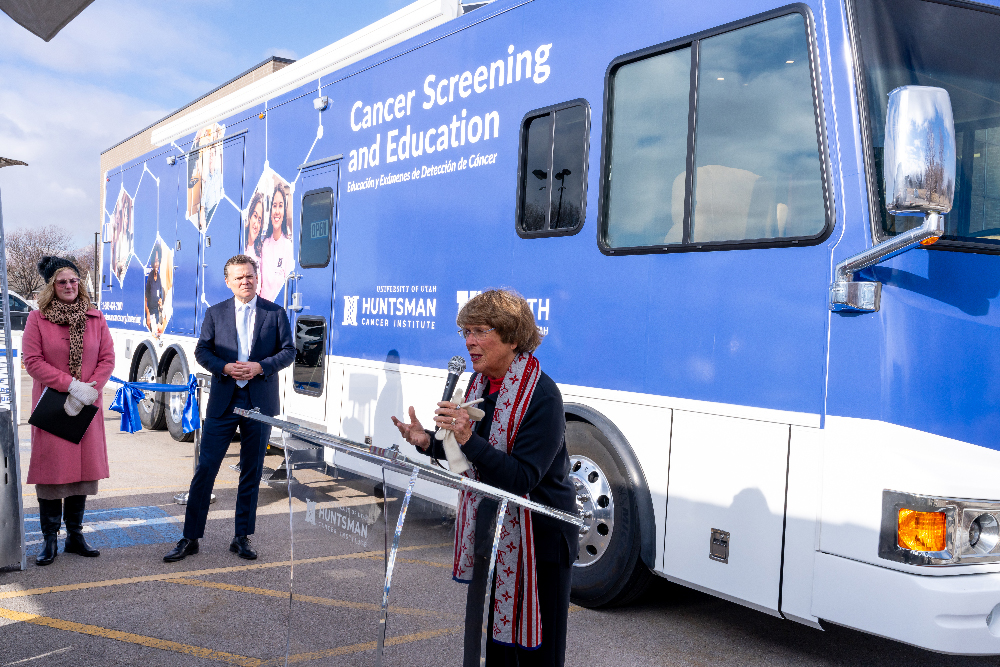
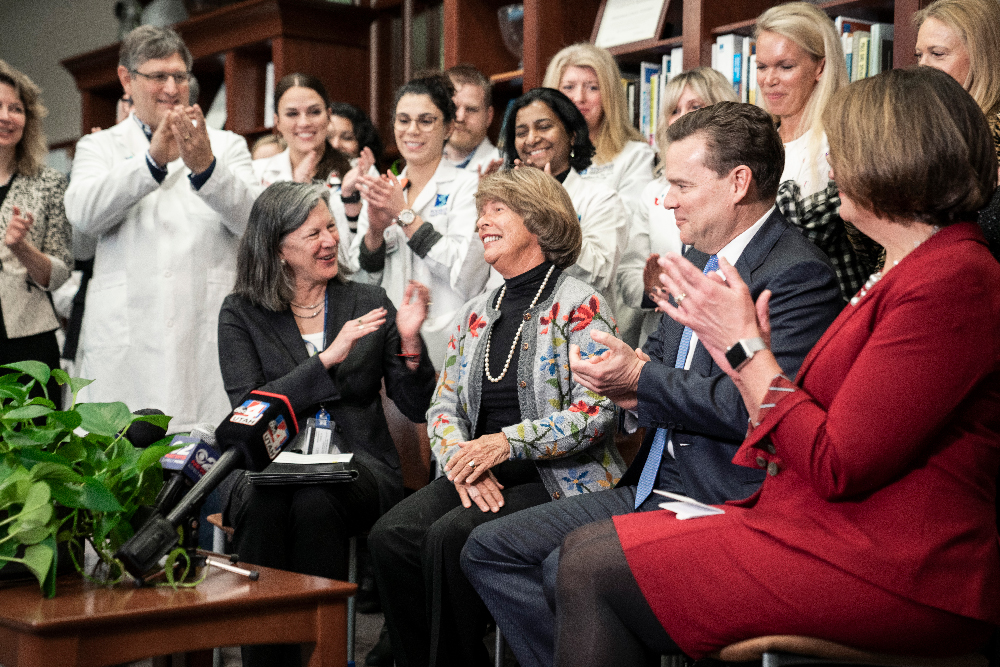
Today, the torch Karen and Jon lit has been deliberately passed to the next generation of the Huntsman family. Their children and grandchildren continue to serve as stewards of this mission, carrying forward the values that shaped the institute from the beginning: Responsibility, humility, and an unwavering focus on people facing cancer. This continuity is active, engaged, and forward-looking.
As Huntsman Cancer Institute continues to grow—expanding access, advancing discovery, and reaching more communities across the Mountain West—we do so guided by the principles Karen helped embed at every level of this organization. The question she consistently asked, implicitly and explicitly, was not “What can we build?” but “How will this serve patients?”
Karen Haight Huntsman helped create more than a cancer center. She helped create an inheritance of compassion—an institution where science and humanity move together, where discovery is accelerated by proximity to patients, where care is strengthened by beauty and dignity, and where hope is treated as a necessity, not a luxury.
She leaves behind not only a remarkable institution, but generations of family, patients, and communities touched by her grace, conviction, and quiet strength.
The accomplishments and culture of Huntsman Cancer Institute stand as her legacy. We honor her best by continuing the work she shaped so thoughtfully: Moving faster against cancer, together, and never losing sight of the people who give this work its meaning.
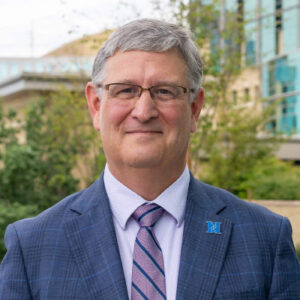
The author is Bradley Cairns, PhD, CEO, Huntsman Cancer Institute at the University of Utah.