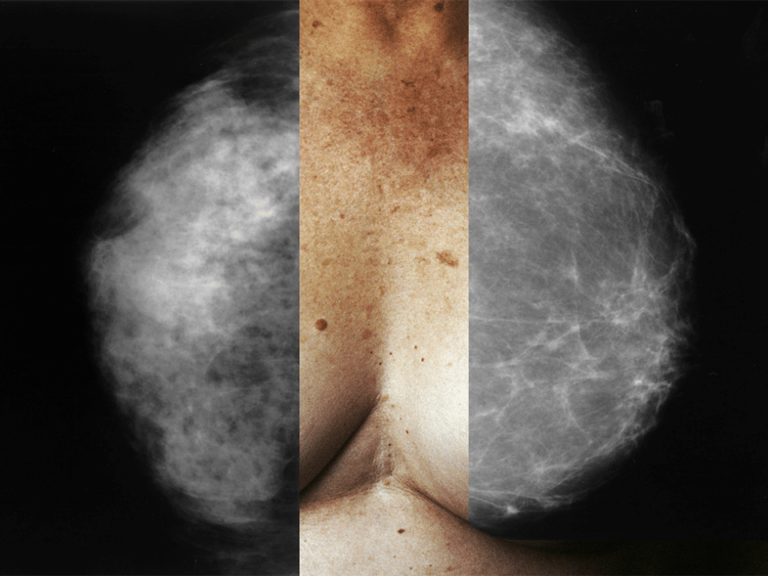
Researchers at Indiana University School of Medicine, Mayo Clinic, Washington University in St. Louis, the University of Pennsylvania, Columbia University, and Intel received a five-year, $3.7 million NCI grant for a multi-site study developing a privacy-preserving artificial intelligence approach—called federated learning—which aims to improve breast cancer risk prediction and reduce health inequities in cancer prevention care.
To access this subscriber-only content please log in or subscribe.
If your institution has a site license, log in with IP-login or register for a sponsored account.*
*Not all site licenses are enrolled in sponsored accounts.
Login Subscribe
If your institution has a site license, log in with IP-login or register for a sponsored account.*
*Not all site licenses are enrolled in sponsored accounts.
Login Subscribe