San Antonio Breast Cancer Symposium 2022 tackled big obstacles, recommended solutions for breast cancer progress

Share on facebook
Share on twitter
Share on linkedin
Share on email
Share on print

To provide a roadmap for accelerating progress against breast cancer over the next 10 years, an expert panel was convened at the 2022 San Antonio Breast Cancer Symposium to identify the biggest obstacles hindering our ability to cure breast cancer and to propose transformative solutions to address these obstacles.

To access this subscriber-only content please log in or subscribe.

If your institution has a site license, log in with IP-login or register for a sponsored account.*
*Not all site licenses are enrolled in sponsored accounts.

Login Subscribe
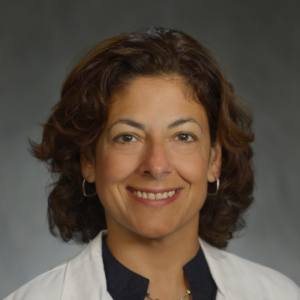
Angela DeMichele, MD, MSCE
Alan and Jill Miller Professor in Breast Cancer Excellence, Co-leader, Breast Cancer Research Program, Co-director, 2-PREVENT Breast Cancer Translational Center of Excellence, Abramson Cancer Center, University of Pennsylvania
Rajarshi Sengupta, PhD
Director, scientific research analysis and communication, American Association for Cancer Research
Carlos L. Arteaga, MD
Director, Harold C. Simmons Comprehensive Cancer Center, Associate dean of oncology programs, Lisa K. Simmons Distinguished Chair in Comprehensive Oncology, UT Southwestern Medical Center
Table of Contents

YOU MAY BE INTERESTED IN

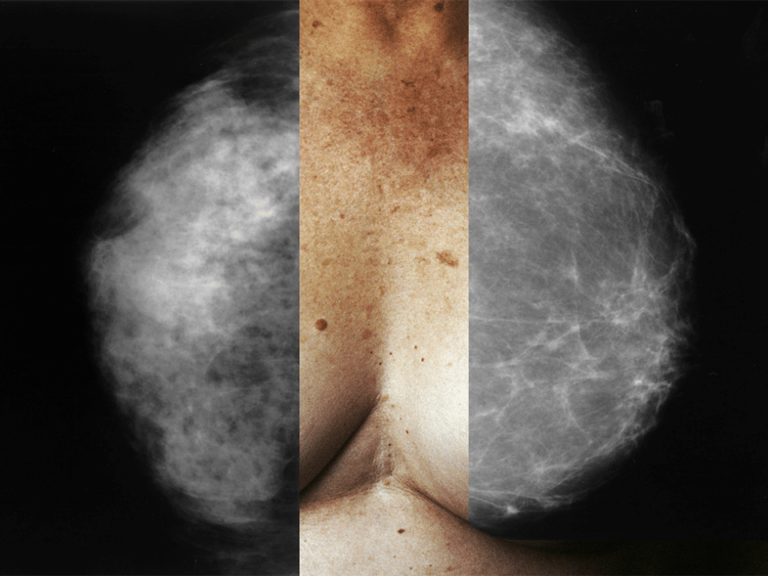
For people at high risk of developing breast cancer, yearly mammograms may not be enough to detect tumors early. To make earlier diagnosis easier, a Massachusetts Institute of Technology team has developed portable detectors based on ultrasound, which could be used much more frequently. The team reports that they have improved the resolution of the images produced by their system, making it easier to spot potential tumors, as well as cysts and microcalcifications. 
Further positive results from the phase III SERENA-6 trial showed camizestrant plus a cyclin-dependent kinase 4/6 inhibitor—palbociclib, ribociclib or abemaciclib—maintained its progression-free survival benefit with longer follow-up and delivered a statistically significant and clinically meaningful improvement in second progression-free survival, demonstrating sustained benefit beyond initial treatment. 
Angela DeMichele, MD, MSCE
Alan and Jill Miller Professor in Breast Cancer Excellence, Co-leader, Breast Cancer Research Program, Co-director, 2-PREVENT Breast Cancer Translational Center of Excellence, Abramson Cancer Center, University of Pennsylvania
Rajarshi Sengupta, PhD
Director, scientific research analysis and communication, American Association for Cancer Research
Carlos L. Arteaga, MD
Director, Harold C. Simmons Comprehensive Cancer Center, Associate dean of oncology programs, Lisa K. Simmons Distinguished Chair in Comprehensive Oncology, UT Southwestern Medical Center

Never miss an issue!

Get alerts for our award-winning coverage in your inbox.

Login