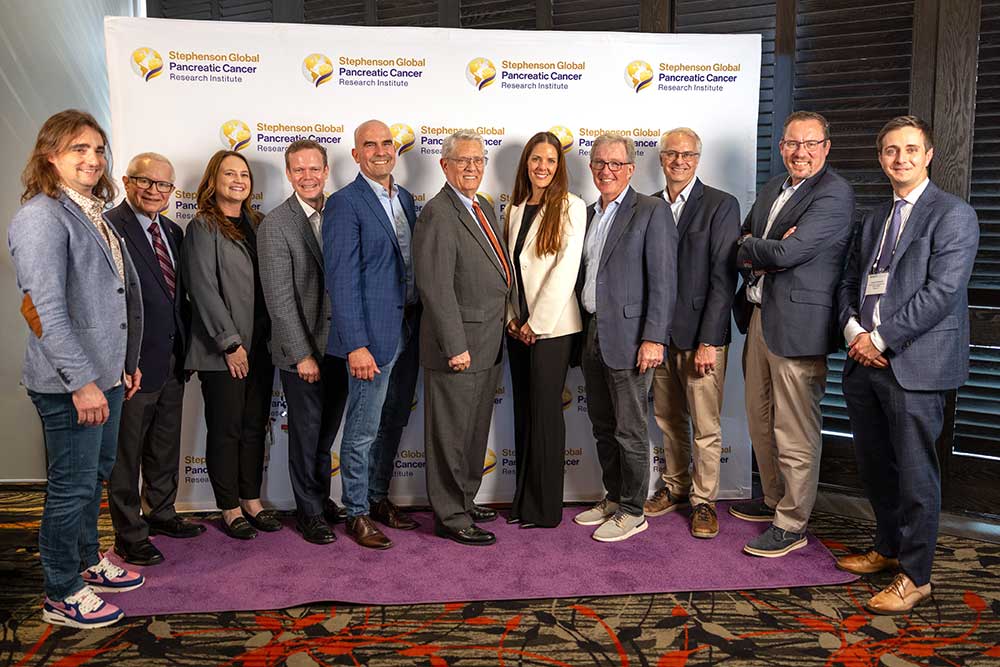
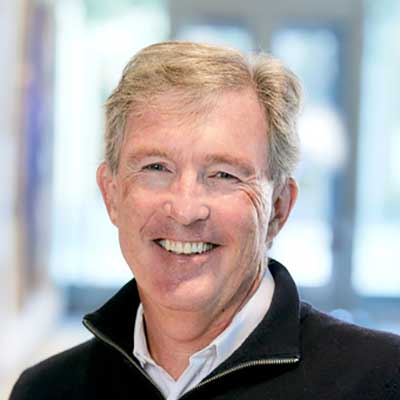
Photo credit: Creative Soul Photography
The Stephenson Global Pancreatic Cancer Research Institute, established a little over a year ago with a $150 million gift from entrepreneurs and philanthropists A. Emmet Stephenson Jr. and Tessa Stephenson Brand, has refined its goals.
The institute has honed in on three priorities:
- The Stephenson Global Scholars Program, which awards grants to researchers to support their work in pancreatic cancer research.
- The Stephenson Global Prize, which awards $1 million annually to one scientitist for pancreatic cancer research. The inaugural winner of the prize, Frank McCormick, won the prize for his decades-long work focused on KRAS. McCormick is the David A. Wood Chair of Tumor Biology and Cancer Research and a professor in the Helen Diller Family Comprehensive Cancer Center and the Department of Cellular and Molecular Pharmacology at the University of California, San Francisco (The Cancer Letter, Oct. 10, 2025). Nominations for the 2026 Stephenson Global Prize are open.
- The Stephenson Pancreatic Cancer Research Symposium, an annual convening of scientists and clinicians from around the world that celebrates the breakthroughs supported through the Stephenson Global Prize and Stephenson Global Scholars.
Originally, the Stephenson Global Pancreatic Cancer Research Institute planned on creating a Pancreatic Biorepository at City of Hope (The Cancer Letter, Sept. 17, 2024).
Now, the institute has narrowed its focus on funding strong research ideas and fostering collaboration between pancreatic cancer researchers through the annual symposium, according to Jennifer Kim, executive director of the Stephenson Global Pancreatic Cancer Research Institute.
The Stephensons understood from the beginning that when you create a space where leaders can gather in person, build trust, and align around a shared purpose, something powerful happens. Collaboration deepens. Barriers fall. And progress accelerates.
Jennifer Kim
The symposium achieved that goal, Kim said.
“In trying to gauge everyone’s participation and the success of the meeting, I asked, ‘How many of you learned something new at our symposium?’” Kim said. “All the hands went up. ‘How many made a new connection or sparked a new collaboration?’ All the hands went up. ‘How many are leaving inspired with new ideas and renewed urgency to end pancreatic cancer?’ All the hands went up. In that moment, I knew. This symposium was a resounding success.”
The small, intimate nature of the symposium—an intentional choice—allowed for openness and trust in a way that is hard to come by in the world of oncology.
Said Kim:
One of the most remarkable aspects of this meeting was the depth of trust in the room. Even our panelists shared data from papers that have not yet been published. They presented findings that will not be public for months.
When they did, you could feel the shift. The room was not just impressed by the science. It was moved by the generosity behind it. There was renewed collaborative energy and trust. What they were really saying was, ‘I am sharing this with you so it can accelerate your work and move the field forward.’
That kind of openness is rare. It is special. It does not happen often in our field. The Stephensons understood from the beginning that when you create a space where leaders can gather in person, build trust, and align around a shared purpose, something powerful happens. Collaboration deepens. Barriers fall. And progress accelerates.”
The 2025 Stephenson Scholar Grant Recipients are:
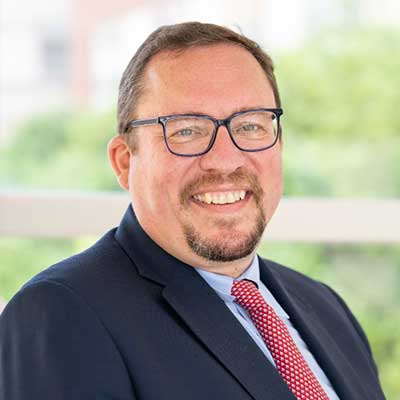
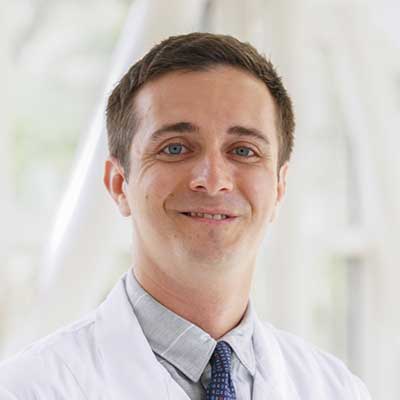
Dr. Renier Brentjens and Dr. Leonid Cherkassky (Roswell Park)
Engineering Circuit-controlled T Cell Differentiation and Restructuring the Pancreatic Cancer Stroma to Optimize PDAC-targeted CAR T Cell Therapy for Clinical Translation
Creating next-generation CAR T cells that target both pancreatic tumors and their fibrotic stroma, using synthetic promoters to fine-tune T cell behavior, offering a promising new direction for pancreatic cancer immunotherapy.
Dr. Robert Grant (Princess Margaret/UHN)
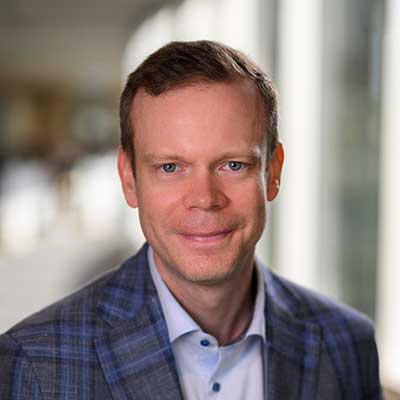
Applying Artificial Intelligence to Electronic Health Records to Guide Pancreatic Cancer Screening
Utilizing large language models to analyze EHR data and flag high-risk individuals for screening—embedding AI directly into hospital systems to enable scalable early detection.
Dr. Costas Lyssiotis (University of Michigan)
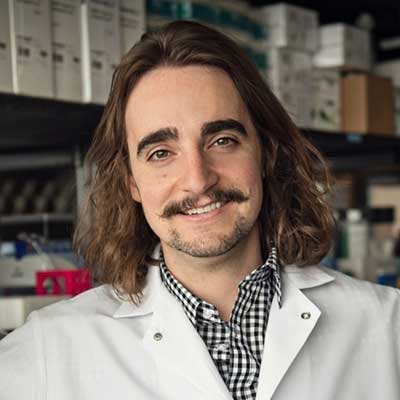
Lysosomal Lipid Homeostasis is a Clinically Exploitable Vulnerability in KRAS-Inhibited Pancreatic Cancer
Targeting a unique metabolic vulnerability in KRAS-mutant tumors using clinically relevant drugs and synthetic lethality, with durable cures shown in preclinical models.
Dr. Sarah Shuck (City of Hope)

From Blood Sugar to Tumor Growth: How Diabetes Fuels Pancreatic Cancer Onset
Investigating how the sugar byproduct methylglyoxal leads to DNA mutations associated with pancreatic cancer and developing a novel blood-based screening tool.
Dr. Matthew Vander Heiden (MIT)
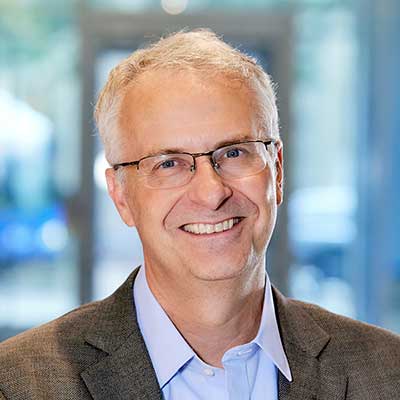
Assessment of Pancreas Organ Health for Pancreatic Cancer Early Detection
Developing a multimodal platform that combines stool, blood, and CT imaging to detect pancreatic cancer before symptoms appear and leveraging changes in organ function as early warning signs.
Dr. Forest White & Dr. Tyler Jacks (MIT)
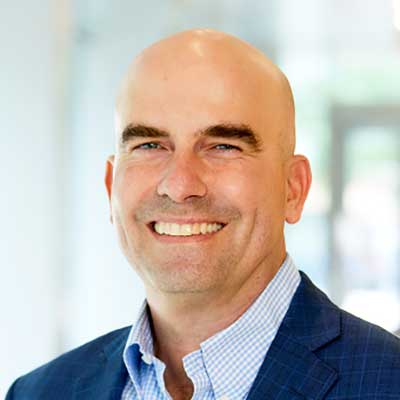
Identification of Treatment-Associated Tumor Antigens for Targeted Immunotherapy in Pancreatic Cancer
Using mass spectrometry to identify new peptide antigens that emerge after KRAS inhibition, enabling novel vaccine and BiTE strategies that link targeted therapy with immunotherapy.